Government Minister Confronts Criticism Over National Insurance Increases Following Closure of Comedian’s Bakery Chain
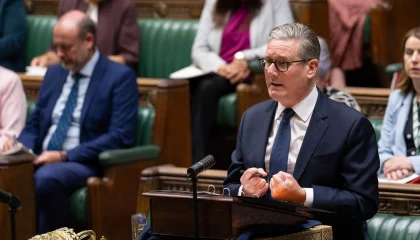
Minister defends national insurance rises after – Following the sudden closure of an 89-year-old bakery chain co-owned by comedian Romesh Ranganathan, a Government minister found themselves under pressure to justify recent hikes in national insurance contributions and business rates. The decision to shutter Coughlans Bakery, which had been operating for decades across south London, Kent, Surrey, and West Sussex, has sparked debate about the impact of fiscal policies on small enterprises. The minister, Commons Leader Alan Campbell, addressed the controversy on Thursday, defending the changes as essential for funding public services and stimulating economic investment.
The bakery chain, which had been a staple in local communities, announced its closure on Tuesday, citing the financial strain caused by the government’s tax reforms. In a statement, the management attributed the decision to a combination of rising costs and reduced profitability, with particular emphasis on the increased burden of national insurance levies and business rate hikes. These measures, introduced earlier this year, have been criticized for disproportionately affecting family-owned businesses and traditional retail sectors.
Comedian’s Disappointment and Public Reaction
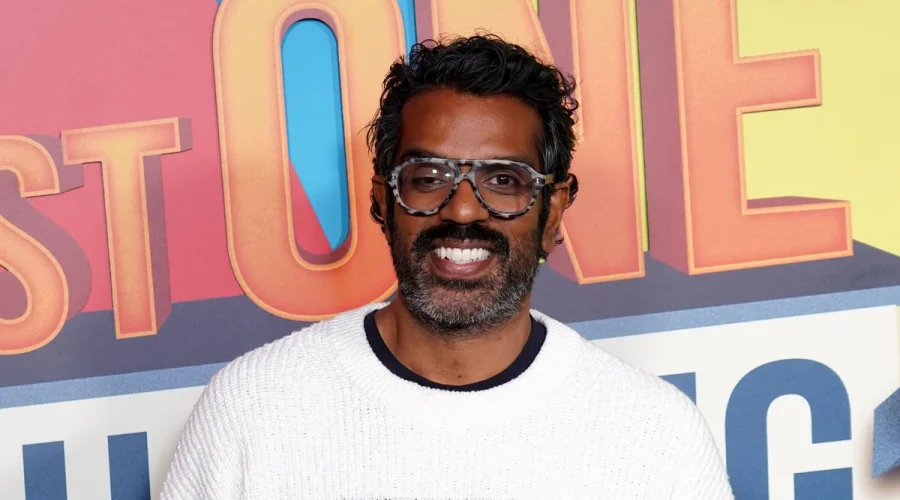
Ranganathan, whose career has been defined by his signature deadpan humor, took to Instagram to voice his concerns. In a post that garnered significant attention, he remarked, “Gutted isn’t the word,” reflecting the emotional weight of the closure. The comedian, who joined the bakery chain in 2024, had previously highlighted the importance of community-driven businesses in his public appearances, making the loss of Coughlans a personal and symbolic blow.
The backlash intensified after Liberal Democrat frontbencher Bobby Dean publicly condemned the government’s policies. In a parliamentary critique, Dean argued that the closures were a direct consequence of “Government policy killing” family-run ventures. He emphasized the devastation faced by local businesses, noting that the bakery’s final months had been marked by growth and success, only to be undone by the April implementation of new tax rules.
“(Coughlans) say that this is so devastating, as March was a fantastic month, as was last year, with growth and the new store openings, but as soon as April’s new Government rules kicked in on national insurance wages and rates, it instantly hit the high street,” Dean stated. “This is Government policy directly killing long-term run family businesses, and we warned about this before it happened.”
Campbell, responding to Dean’s critique, acknowledged the concerns of local communities but reiterated the necessity of the reforms. “Small businesses are at the heart of our local communities and economies,” he said in a parliamentary statement. “We are committed to supporting them, which is why our small business plan aims to save time and money while boosting access to finance and creating new opportunities.”
Despite his defense, Campbell conceded that the closure of Coughlans Bakery highlighted the challenges faced by businesses under the current tax regime. He pointed to the £4.3 billion business rate package as a key initiative to offset the financial pressure, but also stressed that the national insurance increases were a deliberate effort to fund public services. “I would also gently remind him that I understand the point he’s making about national insurance,” Campbell added. “It was done in order to spend more and invest in our public services, and you can’t have it both ways.”
Broader Implications for National Insurance Funding
The incident has reignited discussions about the sustainability of national insurance funding and its effect on local economies. Critics argue that the current system creates a “faultline” between necessary public spending and the financial survival of small businesses. With the budget discussions in full swing, calls for a review of how these taxes are structured have grown louder, as the government faces pressure to balance fiscal responsibility with support for local enterprises.
Ranganathan’s involvement in the bakery chain adds a unique dimension to the controversy. As a public figure known for his satirical take on societal issues, his association with the business has amplified the public’s scrutiny of the policies that led to its closure. The comedian’s personal disappointment underscores the broader sentiment that tax changes, while intended to bolster public services, may inadvertently harm the very communities they aim to serve.
Campbell’s response also highlighted the government’s efforts to mitigate the impact of these reforms. He emphasized that the small business plan includes targeted measures to reduce administrative burdens and improve access to capital, which could help businesses like Coughlans adapt to the new fiscal landscape. However, Dean and other Liberal Democrats have called for more immediate action, warning that the revenue loss from shuttered businesses could undermine the government’s ability to meet its financial commitments.
Analysts suggest that the case of Coughlans Bakery serves as a microcosm of the larger debate over tax policy in the UK. While the government maintains that the national insurance increases are critical for funding healthcare, education, and social security, opponents argue that the burden on small businesses is unsustainable. “The closure of a long-standing family business like this is a stark reminder of the risks associated with these policy changes,” said one economic commentator. “It’s a test of whether the government can deliver on its promises without sacrificing the vitality of local commerce.”
Additional Headlines and Context
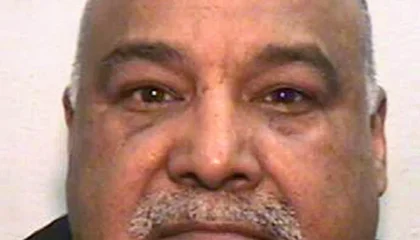
Amid the focus on the bakery closure, other political and economic issues have also captured public attention. The Home Secretary has pledged to address “fundamental failings” identified in the aftermath of the Southport killings, signaling a commitment to reforming emergency response systems. Separately, the government is exploring “every route” to deport a grooming gang ringleader, a move that has drawn mixed reactions from lawmakers and community leaders.
Meanwhile, discussions about education pathways for children continue to gain momentum, with stakeholders emphasizing the need for tailored approaches to meet diverse family needs. These topics, while distinct from the bakery crisis, reflect the government’s ongoing efforts to tackle a wide range of societal challenges, often with diverging opinions on the effectiveness of their strategies.
The debate over national insurance funding has also spilled into broader political discourse, with critics suggesting that the policy creates a rift between fiscal responsibility and social welfare. As the budget review progresses, the case of Coughlans Bakery may serve as a pivotal moment in shaping future decisions, forcing policymakers to consider the long-term consequences of their tax strategies on both public services and the local business ecosystem.
With the minister’s defense drawing both support and skepticism, the issue remains unresolved. While some applaud the government for taking a firm stance on funding public services, others question whether the current measures will adequately address the needs of small businesses. The closure of Coughlans Bakery has become a symbol of the growing tension between policy goals and their real-world impact, setting the stage for further scrutiny and potential reforms in the months ahead.