NATO Summit Concludes with Starmer Declaring Alliance “Stronger and More United”
Nato stronger and more united after – Despite earlier tensions and criticism from the American president, Sir Keir Starmer emerged from the Ankara gathering with a positive assessment of NATO’s trajectory. The British Prime Minister characterized the alliance as having grown stronger and more cohesive following the summit, even as Donald Trump’s vocal critiques had threatened to dominate proceedings.
According to Starmer, the collective leadership successfully secured their primary objective: demonstrating unity among member nations. This outcome proved significant given Trump’s prior warnings that he would address several contentious matters during the meeting, including disputes over Greenland and concerns regarding Iran policy.
Defence Spending Discussions Take Centre Stage
The question of military expenditure emerged as a pivotal topic throughout the summit. Trump had been particularly critical of European nations for what he viewed as insufficient contributions to collective defence. NATO’s general-secretary, Mark Rutte, subsequently urged all member states to submit “credible” strategies for achieving the goal of allocating 5% of gross domestic product toward defence capabilities.
Speculation had circulated that Trump might challenge Starmer directly about the United Kingdom’s Defence Investment Plan, which lacked a definitive timeline for meeting the spending target. However, such a confrontation failed to materialize. The British Prime Minister confirmed that no substantive discussion occurred between himself and the American president regarding UK defence commitments.
“I had no discussion with Donald Trump in which he made any issue with me in relation to the defence spending for the United Kingdom,” the Prime Minister stated.
Trump’s Broader Criticisms Addressed
Before the summit commenced, Trump had renewed his criticism of Britain’s decision to prevent American forces from utilizing British military installations for potential strikes against Iran at the outset of hostilities. Additionally, the US president reiterated his position that Greenland—a territory belonging to Denmark, a NATO member—should ultimately become part of the United States.
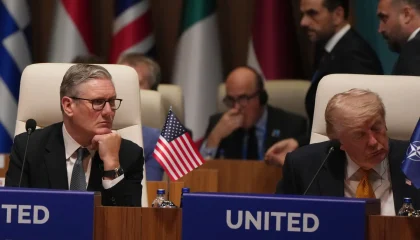
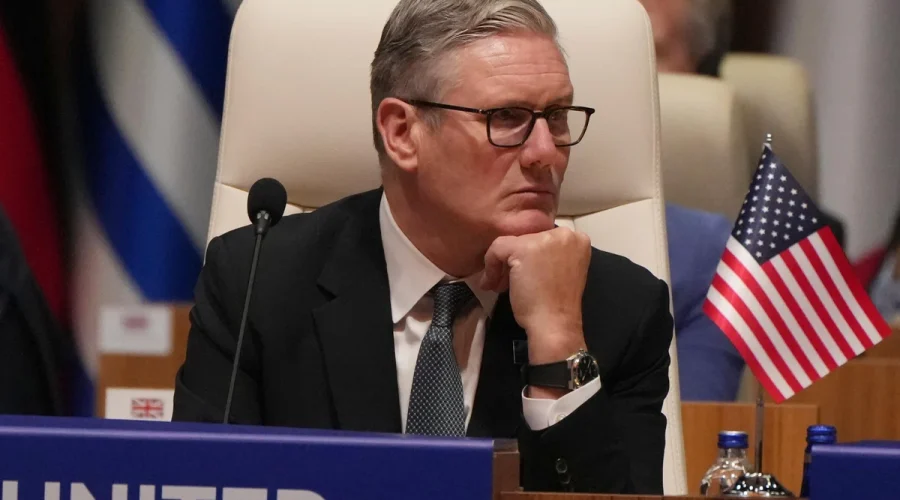
Starmer, who was seated beside Trump during the North Atlantic Council gathering, reported that the American president commended the “unity of the meeting.” The British leader elaborated on this assessment for journalists present.
“At the end, President Trump summed up and said that he was very pleased and welcomed the spirit of the meeting and the unity of the meeting. And therefore, in terms of what’s the outcome here, and answering that question, is NATO stronger and more united coming out this summit? We achieved what we wanted to achieve, which is unity. So important we have that, particularly with the conflicts going on in Ukraine and the conflicts in Iran.”
Personal Relations and Future Considerations
When questioned about defence spending plans amid domestic criticism that he had arrived at the summit without concrete achievements, Starmer emphasized that the UK’s contributions—including its nuclear deterrent—remained “highly valued” by the alliance. He noted that Rutte had specifically acknowledged Britain’s additional investment through the DIP.
Government ministers maintain that the forthcoming spending review will establish the roadmap toward the 5% target, though this decision ultimately rests with Andy Burnham, who is scheduled to assume the premiership within two weeks.
Reflecting on his personal rapport with Trump, the outgoing Prime Minister observed that they had “always got on as two individuals,” adding that the American president had extended his best wishes. Starmer expressed satisfaction at having maintained strong bilateral ties across defence, security, and intelligence domains.
Additional Diplomatic Achievements
Beyond NATO discussions, Starmer concluded a defence agreement with Turkish President Recep Tayyip Erdogan on Wednesday, facilitating enhanced cooperation and intelligence exchange between the two countries. He also announced a collaborative initiative involving approximately twelve European nations committed to investing a combined $50 billion (£37 billion) in long-range missile development.
These “deep precision strike” weapons, which include the British-manufactured Storm Shadow, have demonstrated considerable value during the Ukraine conflict by enabling Ukrainian troops to target positions well beyond frontline areas.
While some advocates called for even greater military investment, Starmer cautioned against expanding borrowing to fund armed forces expansion. Although senior defence officials had proposed defence bonds as a potential mechanism—something Starmer had previously dismissed when unveiling the DIP—he explained that existing debt obligations made additional borrowing “not for me the sensible place to go for extra defence money.” He stressed that any genuine increase in military spending required “a proper platform to stand on.”