Burnham Unveils Sweeping Cabinet Overhaul as New Prime Minister
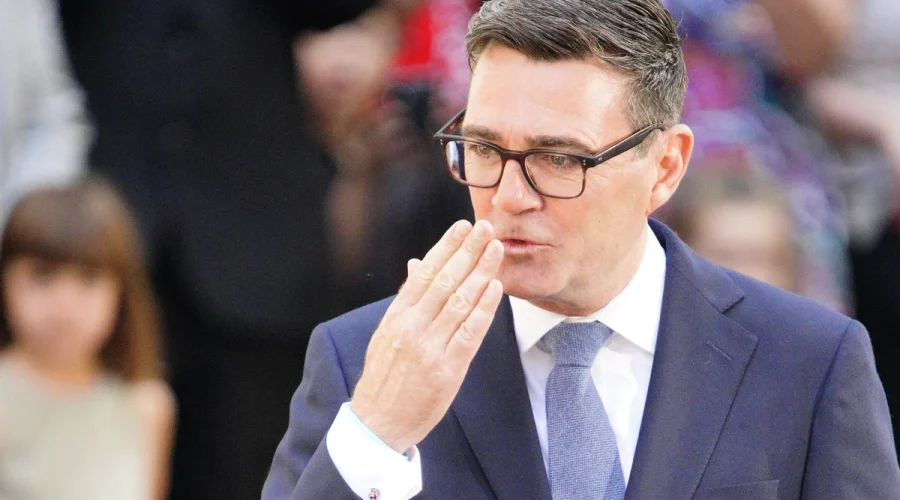
Traveloasisspot.com – Andy Burnham has positioned himself as a transformative leader, declaring that Britain stands on the threshold of the most significant political shift in four decades. Upon assuming the role of Prime Minister, he immediately began reshaping the government, selecting John Healey to serve as his Chancellor while removing several prominent figures from Sir Keir Starmer’s administration.
The newly installed leader outlined an ambitious agenda designed to support families facing financial pressures. He committed to eliminating rough sleeping across the nation and established a clear objective to reindustrialise the country. Addressing the public from outside the famous door at Number Ten, Burnham emphasised his intention to introduce both a fresh political framework and an updated economic strategy for the United Kingdom.
Major Cabinet Appointments and Reshuffles
John Healey, who previously served as defence secretary before departing Starmer’s cabinet following disagreements regarding military funding, became the first official announcement from the new leadership. Meanwhile, Ed Miliband—who had been frequently mentioned as a candidate for the chancellor position—was instead named Foreign Secretary. Shabana Mahmood, another contender for the top financial role, continues in her capacity as Home Secretary.
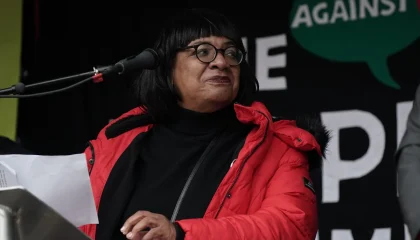
Louise Haigh, a crucial supporter who played a pivotal part in securing Burnham’s ascent to Number Ten, received the dual titles of First Secretary of State and Chancellor of the Duchy of Lancaster. This arrangement positions her as a central coordinator throughout the government machinery.
Healey’s appointment came at the expense of Rachel Reeves, who had been involved in disputes with him concerning financial allocations for defence investments. Reeves departed the government entirely after declining an alternative position offered to her.
A considerable number of senior officials from the Starmer period were dismissed in the reshuffle. Among those losing their posts were deputy prime minister David Lammy, chief secretary Darren Jones, business secretary Peter Kyle, attorney general Lord Hermer, technology secretary Liz Kendall, Welsh secretary Jo Stevens, Northern Ireland secretary Hilary Benn, paymaster general Nick Thomas-Symonds, and development minister Baroness Chapman.
Continuity and New Directions
Steve Reed, a loyalist to Starmer who had been removed from his housing ministry position, offered a pointed message to the new leadership. In a statement to Burnham, he remarked:
“I hope those who did not show loyalty to Keir will now show it to you.”
Some appointments indicated structural changes within government departments. Jonathan Reynolds took on the Business Secretary role with an expanded mandate encompassing science and innovation. Lisa Nandy stayed on as Culture Secretary but gained additional oversight of digital affairs. These moves suggested that the Department for Science, Innovation and Technology might have been dissolved.
In a late-night development, Wes Streeting rejoined the government as Defence Secretary. Miatta Fahnbulleh, a trusted member of Burnham’s inner circle, was elevated to Energy Secretary. Sir Chris Bryant was subsequently named Northern Ireland Secretary.
A Vision for Stability and Reform
During his inaugural address as Prime Minister, Burnham recognised the considerable instability that has characterised British politics, noting that he represents the seventh head of government since 2016. His own return to Westminster had catalysed Starmer’s decision to step down.
Burnham characterised the current moment as one requiring both reflection and renewed determination. He asserted that the nation must demonstrate to the international community that it can restore its former stability. Acknowledging widespread frustration among citizens with political institutions, he delivered an honest assessment:
“I know people at home are fed up with politics. I hear you and I want to be honest with you – we have not been good enough, and we need to be better. We will be.”
He described his approach as a “circuit breaker” that would introduce the most substantial reforms in forty years, establishing new models for both governance and economic management. This vision includes placing essential services under stronger public oversight to ensure affordability while directing public expenditure toward supporting domestic enterprises.
Burnham indicated that a comprehensive ten-year strategy would be presented later in the year, though he promised quicker relief for households experiencing financial strain. He mentioned that immediate interventions could include rent freezes, limitations on public transport fares, and assistance with energy costs, though he cautioned that final decisions were still pending.
Additional commitments included reforming the education system to facilitate greater youth employment and developing what he termed a “preventative state.” This approach prioritises investing in people’s potential rather than funding interventions after problems arise. He described this strategy as both equitable and sustainable, capable of reducing welfare expenditures while meeting fiscal requirements and maintaining defence commitments to international allies.
The new Prime Minister’s freedom of action remains somewhat limited by his pledge to adhere to established rules and procedures as he implements his programme of change.