Parties Reject By-Election Triggered by Nigel Farage Amid Financial Scrutiny
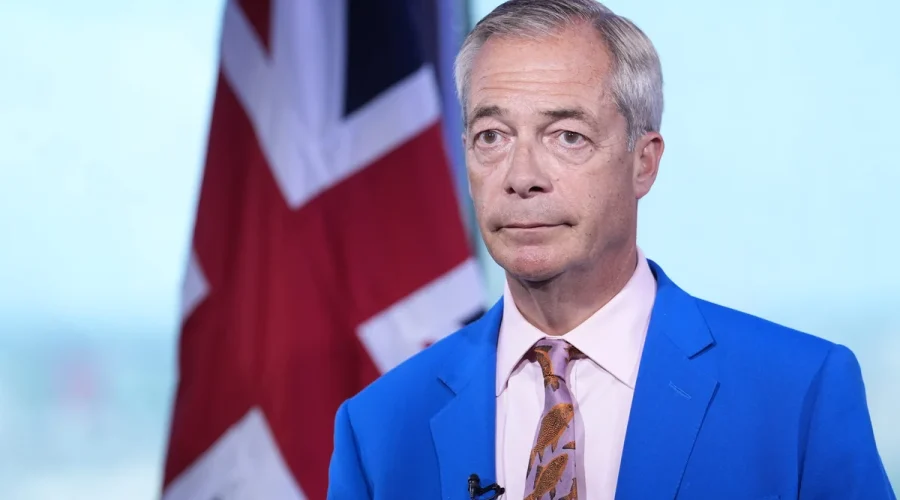
Traveloasisspot.com – Nigel Farage’s decision to resign as a Member of Parliament has sparked a political debate, with parties across the spectrum distancing themselves from his proposed by-election bid. The Reform UK leader announced his departure, framing it as a symbolic act of protest against the intense financial scrutiny his campaign has faced. However, multiple political parties have criticized his move, arguing that it is an attempt to divert attention from ongoing investigations into his financial dealings.
Farage’s Resignation and the By-Election Bid
Farage, the Clacton MP, claims he has done nothing wrong, accusing Westminster opponents of using sleaze investigations as a “political tool” to target him. His resignation, he insists, is a necessary step to initiate a “people versus the establishment” by-election, which he believes will highlight the hypocrisy of those scrutinizing his finances. But this strategy has not gained widespread support, with several major parties refusing to participate in the contest.
The Labour Party and the Conservatives have both expressed their unwillingness to field candidates in the by-election, stating that the focus should remain on completing the existing financial probe. A Labour Party spokesperson said: “Nigel Farage is engulfed in a sleaze scandal and he’s desperately trying to change the subject. It’s pathetic, and the Labour Party is not going to indulge it.” The Conservative leader, Kemi Badenoch, added: “We will be standing a candidate in the real by-election, which will follow the standards investigation into Nigel Farage’s fishy finances. We will not be standing a candidate in the fake by-election that Farage is causing to distract people from what is happening.”
Lib Dems Call for Delay in Farage’s Resignation
In contrast, the Liberal Democrats have urged the government to block Farage’s resignation until the investigation into his finances is concluded. A Lib Dem leader, Sir Ed Davey, stated: “If this by-election does go ahead now, we are calling on all parties to stand aside and refuse to give oxygen to Farage’s vanity project. But the Government should just say no to Farage’s ego-trip and block his resignation until the Standards Commissioner has finished investigating him.” Davey emphasized that the people of Clacton deserve “all the facts” before casting their votes in the upcoming contest.
This push for transparency aligns with the rules governing parliamentary standards. Under these regulations, MPs must register gifts exceeding £300 received within the past 12 months, unless the donation is deemed unrelated to their political activities. Farage’s resignation has intensified questions about whether he properly declared a £5 million gift from Reform donor Christopher Harborne before entering Parliament. The parliamentary standards watchdog, the Commons Standards Commissioner, is currently examining this matter, and the outcome could influence the credibility of his by-election bid.
Farage’s Rivals and the By-Election Debate
Farage’s political rivals have also weighed in on his decision. Rupert Lowe, leader of Restore Britain, dismissed the by-election as a “redundant sham,” arguing that it lacks substance and serves only to create a distraction. Meanwhile, the Green Party has taken a more neutral stance, stating that the decision to stand a candidate should rest with its members in Clacton. A Green Party spokesman noted: “We are a political party – we contest elections.”
Count Binface, a prominent figure in the Clacton constituency, has pledged to stand as a unity candidate, criticizing the other parties for not backing the by-election. He tweeted: “Labour, Tories, Lib Dems and Greens: I demand you stand down in Clacton. I will be a unity candidate and pledge to build at least one affordable house.” This move underscores the growing tension in the constituency, where Farage’s departure could open the door to new political dynamics.
Farage’s Financial Backing and Security Concerns
Farage has defended his financial arrangements, citing security threats as a justification for the large donation from Christopher Harborne. He argued that the £5 million gift was essential to safeguard his campaign and personal safety. This claim is supported by reports that Harborne, a cryptocurrency entrepreneur, has provided ongoing financial backing to Reform UK. However, critics contend that the donation was not adequately disclosed, raising questions about transparency and potential conflicts of interest.
Additionally, Farage has faced scrutiny over support from George Cottrell, a convicted fraudster. The Sunday Times investigation into Cottrell revealed that he recruited and paid three staff members to manage Farage’s social media activities before the general election. Cottrell also continues to rent a five-storey Georgian property near Buckingham Palace to Farage, further fueling accusations of undue influence. Farage maintains that these relationships are legitimate and necessary, but the controversy has persisted.
Political Stakes and Public Perception
Prime Minister Sir Keir Starmer has characterized Farage’s resignation as a “desperate stunt,” suggesting that the Reform UK leader is attempting to shift focus from his entanglements in financial misconduct. “Farage is up to his neck in sleaze,” Starmer said, highlighting the public’s growing skepticism of his conduct. The by-election, if held, could serve as a barometer of voter sentiment toward his controversial actions.
Farage’s supporters have rallied behind his decision, framing it as a bold move to challenge the establishment. They argue that his resignation allows the public to reassess his leadership and policies, rather than focusing solely on financial allegations. However, opponents counter that the by-election is a calculated attempt to capitalize on the ongoing investigations, using them as a pretext to stage a political spectacle.
Investigation Outcomes and Future Implications
As the Commons Standards Commissioner, Daniel Greenberg, continues his inquiry into Farage’s financial activities, the outcome of the investigation will likely shape the by-election’s credibility. Farage’s resignation has temporarily paused the probe, but the process may resume once the by-election is confirmed. The commission’s findings could determine whether he is held accountable for his financial practices or if his actions are deemed acceptable under current rules.
The by-election, if triggered, will not only test the political landscape of Clacton but also serve as a focal point for national debates on transparency and accountability in Parliament. With multiple parties refusing to participate and the Liberal Democrats advocating for a delay, the race may see a significant shift in the electorate’s trust. Farage’s supporters remain optimistic, while critics warn that the by-election could become a symbolic victory for those who view his resignation as a political maneuver.
Conclusion: A Divided Political Response
The rejection of Farage’s by-election bid by key parties reflects a broader divide in how his financial actions are perceived. While he insists that the scrutiny is politically motivated, others argue that the investigations have uncovered legitimate concerns about his conduct. The upcoming months will be critical as the Standards Commissioner’s report is finalized, and the political landscape in Clacton evolves. For now, the debate over Farage’s resignation and the by-election remains a central issue in the nation’s political discourse.