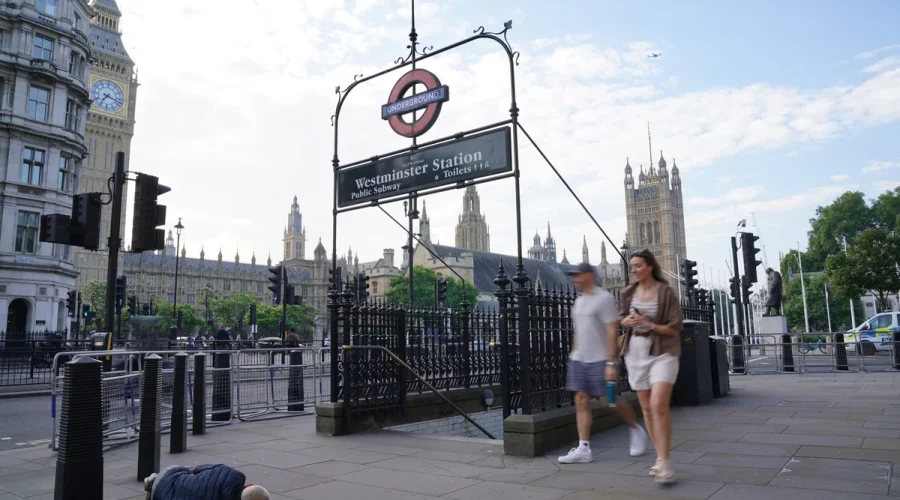
Government Launches Winter Campaign to Shelter Rough Sleepers Ahead of Christmas
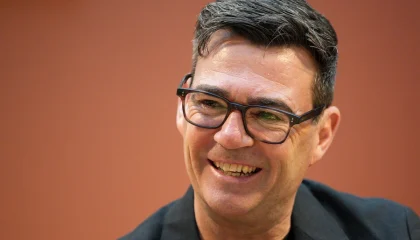
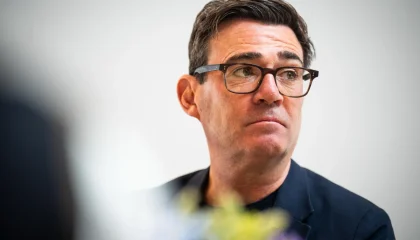
Traveloasisspot.com – Prime Minister Andy Burnham has set out a sweeping winter initiative aimed at removing thousands of people from the streets before the holiday season, framing the effort as a moral imperative rather than a seasonal gesture. The plan mirrors a scheme deployed during the coronavirus pandemic, when the Everyone In programme temporarily housed tens of thousands of rough sleepers across England in hotels, hostels, and other temporary accommodation.
The urgency of the campaign is underscored by statistics released by the Government in February. Those figures placed the number of people sleeping rough on a single autumn night in 2025 at 4,793 in England — a record high and the fourth consecutive annual rise. Nearly half of all rough sleepers at that time were concentrated in London and the South East, a region that has long borne a disproportionate share of the country’s homelessness burden.
A Narrowing Gap in the Capital
More recent data, however, points to a modest shift in London. Research from the Combined Homelessness and Information Network (Chain) found that 3,959 people slept rough in the capital between April and June of this year, down from 4,392 in the equivalent period of 2025 — a year-on-year decline of roughly 10%. A charity executive seized on that figure to argue that eliminating rough sleeping in London, and eventually nationwide, is “within reach” if political will is sustained.
That optimism sits in tension with the national trend. While London’s numbers ticked downward, the broader English picture continued to worsen, suggesting that local interventions alone cannot reverse a structural problem. Burnham’s office appears to be betting that a coordinated, centrally funded push can bend the curve faster than piecemeal local action.
The Christmas Commitment and Its Limits
The Government has formally committed to “offer everyone a route off the streets this Christmas.” Yet the announcement stops short of specifying how long local authorities would be expected to keep individuals housed once they are taken in. Officials have acknowledged, informally, that not every rough sleeper will accept the offer — a practical reality given that some people sleep rough by choice, due to trauma, mental-health needs, or distrust of institutional settings.
The ambiguity over duration raises questions about whether this is a genuine pathway to permanent housing or a temporary reprieve that simply resets the problem in January. Burnham’s framing, however, positions the winter drive as the opening move in a longer campaign rather than a standalone act of charity.
Funding and Institutional Architecture
To back the initiative, Burnham has announced an additional £102 million drawn from uncommitted budgets within the Ministry of Housing, Communities and Local Government (MHCLG). Within that sum sits an £8.4 million top-up to the Ending Homelessness in Communities Fund, earmarked to recognise the work of charities, faith groups, and community organisations already operating on the ground.
This winter allocation sits alongside a separate £340 million package announced the previous month, designed to move long-term rough sleepers into settled, permanent accommodation. Together, the two tranches represent a multi-billion-pound commitment spread across immediate shelter and longer-term housing solutions.
MHCLG stated that areas confronting the heaviest homelessness pressures will receive the largest share of support. Mayors, the department added, are expected to work alongside local councils and to “play a leading role in driving local action to end rough sleeping,” including determining what forms of help are needed and where they should be deployed.
Focus on Women and Trauma-Informed Provision
Guidance accompanying the drive specifically addresses female rough sleepers, whom the department described as frequently underrepresented in official statistics and at heightened risk of violence, abuse, and exploitation. Local areas will be encouraged to “consider single-sex accommodation with specialist, intensive and trauma-informed support, for victims of domestic abuse and sexual violence.” The emphasis reflects growing recognition that a one-size-fits-all shelter model fails the most vulnerable segment of the rough-sleeping population.
A National Summit and the PM’s Personal Stance
Burnham has also signalled that this autumn will see what he calls a first-of-its-kind national summit, convening leaders from business, finance, charities, health services, faith communities, and other sectors to map out each group’s potential role in ending rough sleeping. The event is positioned as a structural intervention — moving the problem from the exclusive domain of government into a shared societal responsibility.
The Prime Minister, who declared on his first day in Number 10 that his “first instruction” was “to end rough sleeping in our country,” argued that years of visible homelessness have bred a kind of institutional complacency.
“No-one should have to bed down in a doorway or outside a station. But we’ve seen it for so long that it feels like Westminster has started to accept it.”
“I won’t accept it. That’s why my first instruction as Prime Minister was to end rough sleeping. And it’s why today we’re getting started with a national drive to get everyone in for Christmas.”
“We did it in the pandemic, we can do it again. But it needs all of us. Government will put the money in, but I’m asking leaders in communities and sectors across society to play their part locally too.”
“Let’s get people out the cold. And let’s bring back hope.”
Housing Secretary’s Response
Angela Rayner, the Housing Secretary, framed the announcement as the fulfilment of a pledge made at the outset of the government’s tenure.
“When the Prime Minister pledged to end rough sleeping, we said we’d move urgently from words to action. Today we’re delivering on that promise.”
“This funding will help thousands of people leave the streets behind, move into secure homes and get the support they need to rebuild their lives.”
“Working alongside councils, mayors and charities, we’re backing”
The scale of the problem — nearly five thousand people sleeping outside on a single night, with the figure climbing for four straight years — means that even a well-funded winter drive will be tested by capacity constraints, local political resistance, and the sheer logistics of identifying, approaching, and housing people who have often been invisible to services for months or years. Whether the Christmas initiative becomes a genuine turning point or another seasonal reset will depend on whether the £442 million combined commitment translates into beds, caseworkers, and follow-through before the first frost sets in.
Related Reading
Frequently Asked Questions
What is PM announces drive to get thousands?
PM announces drive to get thousands is the main topic of this guide. The article explains the context, practical details, and next steps readers should understand.
Why does PM announces drive to get thousands matter?
PM announces drive to get thousands matters because readers are looking for a useful answer, not just a short summary. Good content should match search intent and help them decide what to do next.