Labour Unites Behind Burnham, Rejects Early Election Call
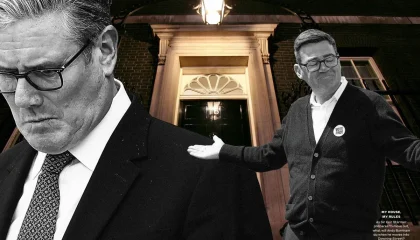
Senior figures say Labour united behind Andy Burnham, signaling a strong internal consensus on his leadership amid ongoing discussions about the party’s future. Key members of the Labour Party have emphasized their support for Burnham as the next leader, with a focus on maintaining unity and avoiding a divisive national election. The decision follows Burnham’s recent triumph in the Makerfield by-election, which many view as a turning point in his bid to lead the party. While some had speculated about a leadership change after Sir Keir Starmer’s resignation, the latest statements suggest a united front, with senior figures dismissing the likelihood of an early general election.
Senior Figures Confirm Labour’s Unity Behind Burnham
Steve Reed, the Housing Secretary and a long-time ally of Sir Keir Starmer, reiterated that Burnham’s leadership would bring “changes in emphasis” without compromising Labour’s core values. “Senior figures say Labour united behind Burnham,” Reed stated, highlighting the party’s strategic alignment. His remarks underscore a broader effort to consolidate support for the former mayor, framing his leadership as a continuation of Labour’s policy goals rather than a radical shift. This unity is seen as crucial in maintaining momentum as the party prepares for a potential national contest.
Deputy Labour leader Lucy Powell has also championed Burnham’s leadership, noting his appeal to both members and voters. “The public is looking for leadership that reflects their priorities,” Powell remarked, adding that Burnham’s energetic approach has helped reinvigorate the party’s image. Her comments align with the sentiment that the party should focus on progress rather than electoral uncertainty. With Burnham’s growing influence, senior figures say Labour united behind him, reinforcing the idea that the party’s direction is now more cohesive than ever.
Burnham’s Regional Vision and Policy Shifts
Burnham’s leadership is expected to prioritize regional development, with an emphasis on expanded devolution initiatives. “Senior figures say Labour united behind Burnham, who is pushing for greater local autonomy,” Reed explained, pointing to his agenda as a departure from centralized governance. This focus on devolution aligns with public demand for more localized decision-making, particularly in areas affected by national policy gaps. Reed argued that Burnham’s plan would address these issues without the need for an early election, a stance backed by senior figures say Labour united behind him.
Public sentiment remains mixed, with some advocating for an early general election to capitalize on Burnham’s popularity. However, a recent YouGov poll revealed that 48% of respondents support holding a national vote once Burnham takes the helm, while 35% remain unconvinced. In contrast, a More in Common survey found that only 37% believed a vote was essential, with 43% favoring continued governance under the current leadership. These results highlight the ongoing debate, but senior figures say Labour united behind Burnham, arguing that his leadership offers stability and clarity.
Leadership Challenges and Strategic Priorities
Despite the support for Burnham, the Labour leadership faces challenges in balancing regional and national priorities. Reed acknowledged the “shocking” level of scrutiny the current prime minister has endured, citing recent controversies that have tested the party’s resilience. “Senior figures say Labour united behind Burnham to avoid further fractures,” he added, emphasizing the need for a united front. This unity is seen as critical in navigating the political landscape and addressing key issues like economic recovery and social policy reform.
Burnham’s leadership style has been characterized by a pragmatic approach, blending immediate action with long-term vision. Powell noted that his ability to unite the party has been a key factor in his rise, contrasting with earlier criticisms of Labour as a “boy’s club.” “Senior figures say Labour united behind Burnham because he’s bridging the gap between traditional and modern leadership,” she explained. This strategic shift is expected to bolster the party’s appeal as it prepares for the next electoral cycle, with many hopeful that it will lead to renewed public confidence.