
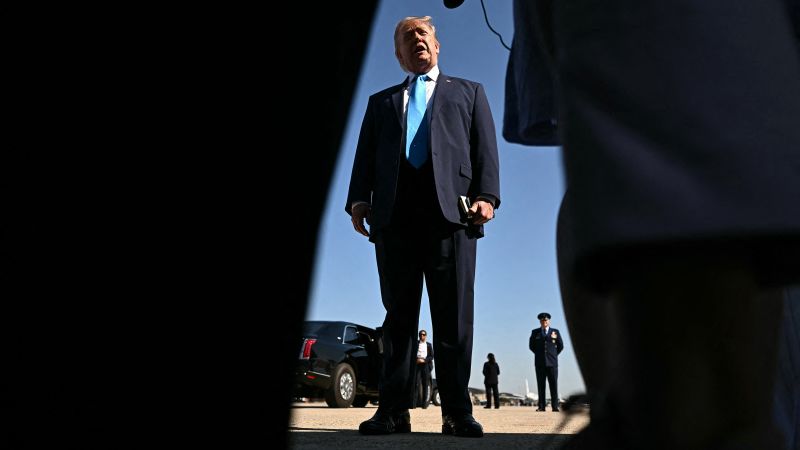
Trump’s inevitable clash with congressional Republicans has arrived. What happens next?
Trump s inevitable clash with congressional – As the 2026 midterm elections approach, the relationship between President Donald Trump and the Republican lawmakers in Congress is facing its most significant strain yet. Trump’s governing style—marked by a focus on self-interest and a tendency toward erratic decision-making—has collided with the more pragmatic, survival-oriented strategies of the Senate GOP. This divergence has created a palpable tension, with lawmakers now questioning whether Trump’s agenda can still secure their political goals. Despite his growing unpopularity, the president remains undeterred, pushing forward with initiatives that many in his own party find contentious.
The Breaking Point of GOP Loyalty
Recent weeks have exposed a widening rift within the Republican Party. Trump’s latest moves, including the creation of a $1.776 billion “anti-weaponization” fund, have sparked sharp criticism from Senate Republicans. This fund, which the administration admits could reward individuals who attacked police officers, has been called “stupid on stilts” and “utterly stupid, morally wrong” by some members. The backlash suggests that even the most loyal GOP lawmakers are reaching their limit, particularly as the stakes of the upcoming elections loom larger.
While Trump continues to prioritize his own vision, the Senate GOP has shown hesitation. After initially resisting his proposals, the party left Washington with key legislation, such as the immigration enforcement bill, hanging in the balance. The failure to pass the bill without a showdown highlights the internal conflict between party unity and Trump’s demands. Senate Majority Leader John Thune has quietly acknowledged this divide, signaling that the White House and congressional Republicans are no longer on the same page.
Political Math and Unlikely Alliances
With less than six months until the midterms, the Republican Party is grappling with a critical challenge. They currently hold 53 Senate seats, but Trump’s growing influence has created a math problem for GOP leaders. Two Senate moderates, Lisa Murkowski of Alaska and Susan Collins of Maine, could become pivotal in determining the party’s fate. Collins, in particular, faces a difficult reelection campaign in a traditionally Democratic state, making her alignment with Trump a key factor in the party’s strategy.
Moreover, Trump has targeted senators who have previously defied him, raising concerns about their loyalty. His ousting of Senator Bill Cassidy in Saturday’s primary has removed a potential ally, as Cassidy once voted to convict him during the impeachment trial. The move also freed Cassidy from the pressures of re-election, allowing him to act more independently. Similarly, the potential loss of Senator John Cornyn in Texas to Trump-backed Ken Paxton could introduce another Senate figure with a similar stance on the president’s controversial policies.
Trump’s actions have not gone unnoticed. In a Friday morning post, he directly addressed the challenges posed by these lawmakers, stating, “Now he can have all the fun he wants for a few months, with some of his RINO friends, screwing the Republican Party.” This remark underscores his frustration with the internal politics of the GOP and highlights his belief that certain members are undermining the party’s chances. However, it also reveals a growing awareness among Republicans that they may need to pivot strategies to avoid a larger loss.
The Ballroom and a Fateful Decision
Amid the ongoing conflict, Trump’s recent endorsement of Ken Paxton for the Texas Senate race has added another layer of complexity. Paxton, a candidate with a history of controversial remarks, was chosen over an incumbent senator, raising fears that this decision could cost the GOP a key seat in November. The situation mirrors the risks Trump took with his support for the ballroom—a symbol of his personal brand that some argue has become a liability. The cost of funding this project, however, is now a point of contention, particularly in the context of the broader budget debates.
The Senate parliamentarian has ruled that Trump’s request for hundreds of millions in funding for the ballroom’s security cannot be included in the immigration bill. This means the funding would require a separate vote, potentially complicating its passage. While Trump insists on maintaining his vision, the GOP may need to find compromises to keep their legislative agenda on track. The ballroom issue, though symbolic, could serve as a test case for how far the party is willing to go to protect its majority.
Meanwhile, the “anti-weaponization” fund remains a flashpoint. Although the Senate GOP has left town without resolving the issue, some lawmakers are exploring ways to limit its impact. One possibility is restricting the compensation of January 6, 2021, rioters who assaulted police. Such a move might make the fund more politically acceptable, but it could also test Trump’s resolve. He has already signaled that he would not accept such concessions, suggesting a deepening divide between the executive and legislative branches.
The Road Ahead for the Republican Party
The coming months will be crucial for the GOP. While Trump’s leadership has been a driving force for the party’s base, it has also created challenges for moderates and pragmatic strategists. The question now is whether the party can reconcile these differences before the midterms. Some lawmakers may take the lead in opposing Trump’s initiatives, using their votes as a shield for the broader party. Others, however, might continue to support him, hoping to preserve the Senate majority.
Historically, Republicans have caved to Trump’s demands, but this time, the situation feels different. The Senate GOP’s decision to leave town without passing the immigration bill suggests they are no longer willing to accept unquestioned support for his agenda. This shift could lead to a more active role for senators like Thom Tillis of North Carolina and Mitch McConnell of Kentucky, who have been vocal about the fund’s implications. Their influence may help shape the party’s response, even if it means alienating Trump in the process.
As the Republican Party navigates this crisis, the balance between loyalty and strategy will determine its success. Trump’s charisma and base support remain strong, but his increasing unpopularity among moderate Republicans could jeopardize the party’s chances in November. The challenge for GOP leaders is to find a way to maintain unity while addressing the concerns of their colleagues. Whether they can do so will depend on how they handle the fallout from Trump’s latest moves—and whether he is willing to adapt his approach in the face of mounting pressure.
In the end, the 2026 midterms will serve as a litmus test for the Republican Party. If the Senate GOP can successfully resist Trump’s demands, it may set a precedent for more independent decision-making. However, if the president continues to push his agenda without compromise, the party risks fracturing further. The outcome of this clash will not only define the next phase of the Republican Party but also shape the political landscape for years to come.
As the dust settles, one thing is clear: the relationship between Trump and his congressional allies has reached a crossroads. The party now faces a choice between maintaining its unity under Trump’s leadership or forging a more cohesive path forward. The next five months will reveal which direction they ultimately take.





