Washington Intensifies Military Campaign Against Tehran as Ceasefire Collapses
Traveloasisspot.com – American military forces have initiated a new series of bombardments targeting Iranian positions, acting directly on instructions from President Donald Trump. This escalation comes shortly after the American leader publicly announced the termination of the temporary truce that had been in place between the two nations.
During his address at the NATO gathering held in Turkey, Trump made it clear that the diplomatic window had closed. He characterized the Iranian government with harsh language, describing officials as both “scum” and “dishonourable” in his remarks. The renewed hostilities have immediately triggered concerns about global energy markets, with oil prices climbing once again following the latest developments in the Middle East region.
Regional Response and Iranian Retaliation
Early Thursday morning, multiple Gulf nations reported hearing warning sirens as Iranian forces launched counterattacks. Kuwait confirmed that its defense systems were actively intercepting incoming drones and missiles. Meanwhile, Bahrain and Qatar also experienced the effects of the retaliatory fire, adding to the regional tension.
Iranian state television broadcast images showing explosions at several key locations within Iran. The affected areas included Bushehr, which houses the nation’s primary nuclear facilities, as well as the southern port cities of Chabahar, Konarak, Bandar Abbas, and Sirik. These strikes represent a significant escalation in the conflict that began on February 28, when the United States and Israel jointly initiated military operations.
Strait of Hormuz Remains Critical Flashpoint
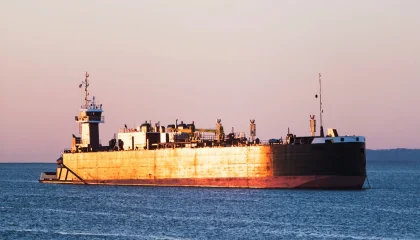
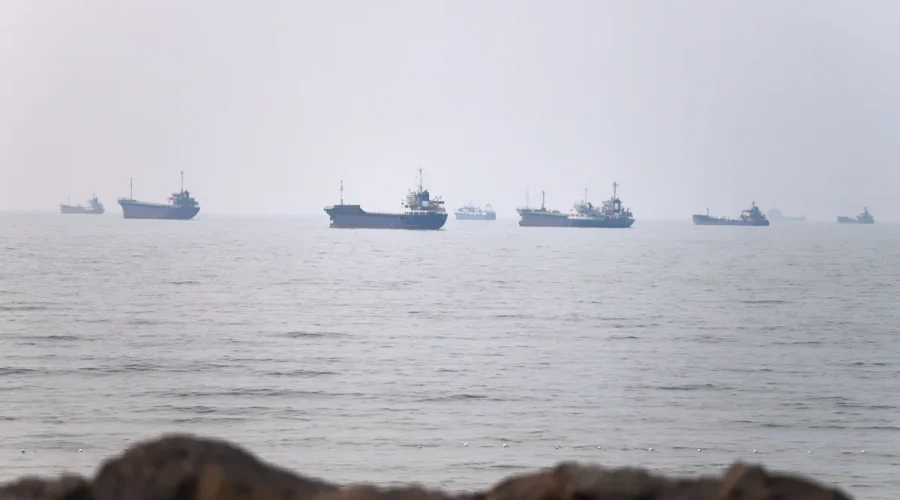
The vital waterway known as the Strait of Hormuz continues to serve as the primary battleground for this confrontation. Renewed fighting erupted on Tuesday when Iranian forces targeted three commercial tankers navigating through this crucial shipping lane. The strait’s importance cannot be overstated, as it serves as a major conduit for global oil and gas supplies.
According to official American military statements, American forces struck more than eighty separate targets during the latest wave of operations. In response, Iranian military units directed attacks against American installations located throughout the Gulf region. The Pentagon emphasized that these actions were taken to protect freedom of navigation and hold Tehran responsible for what they described as unjustified aggression against commercial vessels and civilian crews.
At the direction of the commander in chief, US Central Command forces have started conducting additional strikes against Iran to further degrade their ability to threaten freedom of navigation in the Strait of Hormuz.
Trump’s Diplomatic Journey and Public Statements
As President Trump began his return trip from Ankara on Wednesday, he made a brief stop in the United Kingdom. During this visit, he shared a photograph on his Truth Social platform showing American service members positioned before the newly introduced Air Force One aircraft at RAF Mildenhall in West Suffolk. The president switched to this new aircraft to continue his transatlantic flight back to Washington.
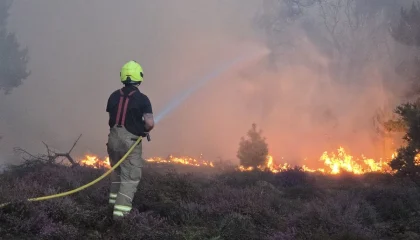
Trump also used his social media platform to highlight the consequences of Iranian actions. He reposted an image depicting buildings engulfed in flames with thick black smoke rising into the sky, which he claimed showed damage in Iran. Accompanying the image, he wrote: “This is retribution for yesterday’s bombing of ships. If it happens again, it will get much worse.”
I think it’s over. I don’t want to deal with them any more. They’re scum. They’re sick people. They’re led by sick people and they’re vicious, violent people. And if they had a nuclear weapon, they’d use it.
Looking Ahead: Negotiations and Economic Concerns
Despite his harsh rhetoric, Trump indicated that diplomatic channels would remain open. He stated that negotiations could continue even as military operations intensified. The president also reiterated previous threats to destroy critical infrastructure, including bridges, water treatment facilities, and power generation stations. Additionally, he suggested that Washington might reinstate its blockade of Iranian ports, which had been temporarily lifted after Tehran lost its authorization to export oil.
On the Iranian side, parliament speaker Mohammad Bagher Qalibaf responded defiantly in a post on X, declaring: “The era of bullying and extortion is over. It leads nowhere. We don’t fold.”
British Prime Minister Sir Keir Starmer has urged all parties to return to the ceasefire framework. He warned that British households could face increased energy costs if the situation does not improve. The original agreement between Washington and Tehran guaranteed sixty days of safe, toll-free passage through the Strait of Hormuz while final negotiations on Iran’s nuclear program continue. However, Iran has continued attempting to strengthen its position by requiring ships to obtain permission for transit and threatening to introduce future fees.
The latest round of exchanges threatens to once again disrupt commercial shipping through the Gulf channel and complicates efforts to achieve a lasting resolution to the conflict. The economic implications extend beyond energy prices, potentially affecting food costs and broader global trade patterns as nations adjust to the ongoing instability in this critical region.