Burnham’s Tax Ambitions May Trigger Middle-Class Exodus from London
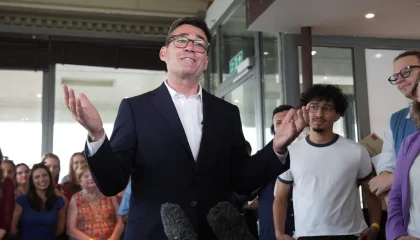
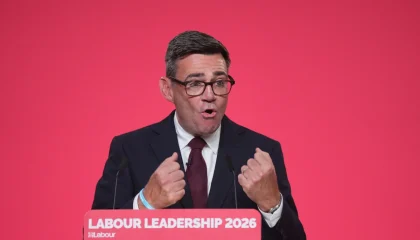
Why middle classes could leave London – Andy Burnham’s path to Downing Street has been relatively smooth, particularly when measured against the formidable challenges awaiting him. As he prepares to assume the role of Prime Minister, insiders warn that the reality of governing will come as a profound shock. Helen MacNamara, who served as deputy cabinet secretary, observes that Burnham will encounter a dramatically transformed landscape. “He’s going to get the shock of his life when he sees how degraded and different it is from what it was when he left,” she explains. Those who departed government circles after 2016, she notes, remain largely unaware of the extent of change. Citizens, she adds, increasingly feel disempowered. Burnham departed the House of Commons in May 2017, during a period when the Labour Party was steered by left-wing leader Jeremy Corbyn. His mission was to serve as mayor of Greater Manchester. Nearly a decade later, energized by his victory in the Makerfield by-election, Burnham stands poised to become Prime Minister on Monday. Rather than displaying hesitation, Burnham has committed to ambitious initiatives. Channeling what he describes as “Manchester swagger,” he has promised the most extensive transfer of authority in contemporary history. Additional commitments include launching the largest council housing construction effort since the post-war era, revitalizing high streets, reducing public transport costs, and allocating billions toward defense. However, Burnham has yet to provide comprehensive details regarding funding mechanisms for these sweeping reforms. While he has generally adhered to Chancellor Rachel Reeves’s fiscal framework, he has dismissed the possibility of substantially increasing borrowing. Furthermore, he has demonstrated limited inclination toward meaningful welfare reductions. This situation points toward one remaining alternative: taxation increases. Cleo Watson, who served as deputy chief-of-staff to Boris Johnson during his premiership, suggests that tax and spending proposals could trigger significant population movement. “If he does follow through on some of his tax and spend rumours, we might actually see an exodus of people… the middle class essentially starting to go,” Watson remarks. Burnham may well be targeting affluent London residents, potentially through a new property levy, as he positions himself to the left of Sir Keir Starmer. When questioned about whether middle-class Londoners—those earning comfortable salaries yet burdened by the capital’s elevated living expenses—might face increased taxation, Watson responds: “Is he essentially talking about taxing people in the leafy South in order to pay for the North?” Watson elaborates on the demographic at risk: “It’s where you draw the middle class… I think we’re edging down towards the aspirational people who now can’t quite afford to send their kids to a private school, who are now also feeling the pinch on their holidays… they’re feeling the stress of the rung below them, and whether they just start thinking Canada looks a whole lot easier or Australia.” These warnings carry considerable weight, perhaps more than initially expected. Both Watson and MacNamara, who currently co-host the In The Room podcast, possess extensive behind-the-scenes knowledge of No 10 and broader Whitehall operations. Their straightforward assessment of governmental challenges could assist Burnham’s team in sidestepping errors that troubled Starmer’s tenure. Watson notes the timeframe available: “He’s got two-and-a-half to three years to be able to turn things around, and for people to feel differently, and as much as he has articulated how people feel, it’s very Clintonesque ‘I feel your pain’, whether he could turn that around remains to be seen.” She expresses skepticism based on recent patterns: “The pattern of the last few years suggests that he can’t, so with my most negative view, I think that we’re headed for perhaps a hung Parliament, perhaps a strange coalition, and trouble ahead.” MacNamara demonstrates greater optimism, particularly given an era where personal qualities sometimes outweigh policy substance. She emphasizes the importance of confident leadership: “What I really hope that we can see in this reign of Burnham is some of that Manchester swagger because you want confident leaders,” she states, recalling her involvement in organizing the London 2012 Olympics. The United Kingdom will welcome its seventh Prime Minister since 2010, a period marked by frequent leadership changes that have undermined governmental confidence. MacNamara identifies the most significant setback as the “astonishing” deficiencies revealed by the Covid pandemic—shortcomings the government claimed to have addressed. Both experts emphasize the volume of decisions awaiting Burnham. The former civil servant predicts he will be astonished by the speed of decision-making at No 10. Ultimately, Burnham’s success will depend on his ability to navigate these challenges while maintaining public trust during a critical transitional period.