Pride at National Theatre Dorfman: A Heartwarming Musical Adaptation
Reimagining the 2014 Film on Stage
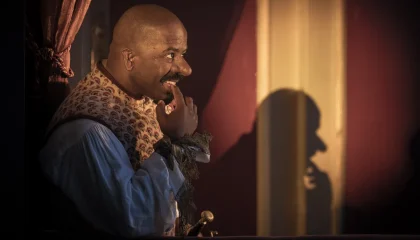
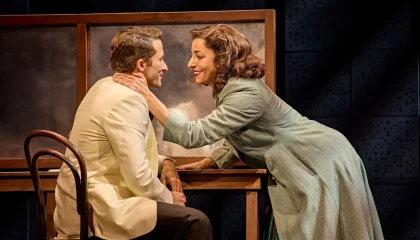
Pride at National Theatre Dorfman review – Matthew Warchus’s 2014 film *Pride* has become a beloved cultural touchstone, capturing the spirit of solidarity between LGBTQ+ activists and Welsh miners during the 1984 miners’ strike. The National Theatre’s stage adaptation, now playing at the Dorfman theatre, breathes new life into this story, transforming it into a musical that honors the original’s emotional core while embracing theatrical innovation. Crafted by Warchus, Stephen Beresford, and a stellar creative team, this production blends charm, humor, and profound social commentary into a cohesive narrative that resonates with both history and heart.
At the center of the stage adaptation is Mark, a young activist portrayed by Jhon Lumsden. His journey begins in Bloomsbury’s Gay’s The Word bookshop, where a moment of introspection leads him to confront the intertwined struggles of his community and the miners. This revelation prompts the formation of a group of four gay men and one lesbian, as Steph (Courtney Stapleton) quips about their eclectic composition. Together, they aim to raise funds for a Welsh valley village, setting the stage for a compelling collision of activism, humor, and solidarity.
Themes of Unity and Personal Growth
The musical excels in weaving personal narratives with political struggles, showcasing the resilience of individuals against systemic oppression. Jonathan, the flamboyant character played by Samuel Barnett, becomes a cultural ambassador, captivating a Welsh audience with his infectious charm and the song *I Miss Disco*. Meanwhile, Siân (Sarah Pugh), a committed local organizer, delivers a poignant solo in *Ordinary*, underscoring her dedication to the cause. These moments highlight the show’s ability to balance levity with emotional depth, making the characters’ journeys both relatable and inspiring.
A standout scene features Jonathan’s HIV-positive identity explored through a Busby Berkeley-style tap routine in *You Might as Well Live*, a striking contrast to Dominic West’s film portrayal. This creative choice not only adds visual flair but also emphasizes the personal stakes of the political movement. The production’s bold contrasts—such as the vibrant *Bloody Good Night Out* against the somber *Light Perpetual*—underscore the duality of celebration and sorrow, reinforcing the central theme of interconnected struggles for equality and survival.
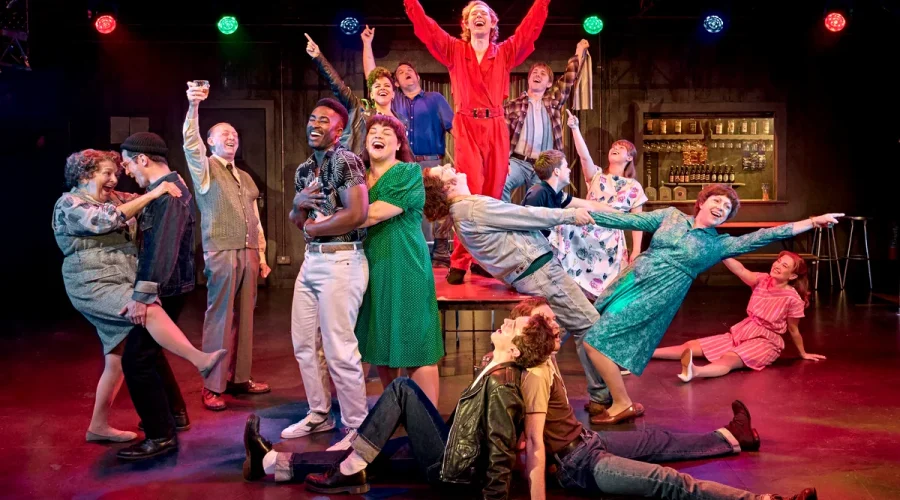
While the adaptation’s music enhances the storytelling, some tracks feel underdeveloped. *The Enemy Within* leans into heavy-handed tones, and a few songs appear to serve as placeholders. However, these minor missteps are overshadowed by the production’s heartfelt moments and its ability to encapsulate the era’s cultural tensions. The ensemble’s energy is palpable, particularly in scenes where miners and LGBTQ+ activists interact, fostering a sense of mutual respect and shared purpose.
Design and Performance
Warchus’s staging immerses audiences in the 1980s with a DIY aesthetic, incorporating hand-painted protest banners, dungarees, and Doc Martens that evoke the grassroots spirit of the movement. Bunny Christie’s set design, a scaffolding structure symbolizing community and collective effort, complements the production’s themes. The ensemble’s dynamic performances, especially in the climactic scenes, bring the story’s emotional weight to life, creating a sense of unity that permeates the theatre.
Despite its imperfections, *Pride at National Theatre Dorfman* remains a triumphant celebration of resilience and connection. The musical’s closing number, *I’m Into Guys*, encapsulates the characters’ growth with a timeless couplet: “Yes I’m sure so save the sermon / I like cock and Ethel Merman.” This line, delivered with both wit and sincerity, ties together the show’s lighter moments and its deeper message. The production leaves audiences with a bittersweet reflection on the victories and challenges of the 1980s, proving that even in adversity, solidarity can spark joy and hope.