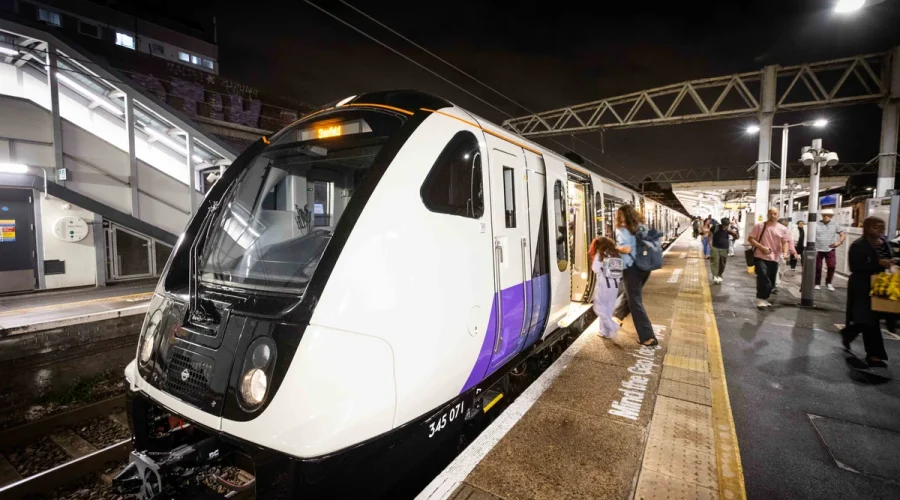
Ten New Trains Enter London’s Cross-City Network as Elizabeth Line Expansion Accelerates
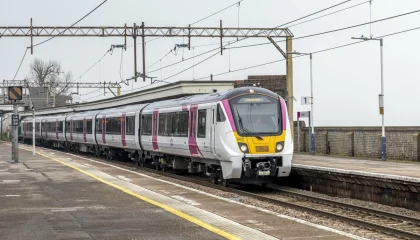
Traveloasisspot.com – The Elizabeth line, London’s busiest cross-city rail corridor, has welcomed its first batch of ten additional trains into daily passenger operations. The arrival of these units marks a significant step in the network’s long-term capacity programme, designed to absorb growing ridership and prepare the line for future infrastructure additions, most notably the High Speed 2 terminus at Old Oak Common.
Engineering at Scale
Each of the new units is a nine-carriage Class 345 Aventra electric multiple unit, manufactured at Alstom’s long-established works in Derby, England. The physical complexity of a single train is staggering by any measure: five miles of continuous welding run through the structure, while 50 miles of electrical cabling weave through the carriages to power lighting, HVAC, passenger information displays, and traction systems. Fastening hardware alone accounts for more than 47,700 screws and 31,700 bolts per unit, a figure that underscores the sheer volume of precision assembly work required before a single train can roll onto the network.
The trains were developed with direct Government funding, reflecting the public-infrastructure character of the Elizabeth line programme. Their introduction follows a prolonged and rigorous testing campaign conducted on the mainline railway. Transport for London, Alstom, and the train operating company GTS collaborated throughout this validation phase, subjecting the rolling stock to performance, reliability, and safety trials before authorising revenue service.
Why the Additional Capacity Matters
London’s Elizabeth line has carried millions of passengers since its full cross-city opening in 2022, and ridership has continued to climb well beyond initial forecasts. TfL has repeatedly flagged the need for incremental fleet growth to keep headways short during peak periods and to provide resilience against rolling-stock failures. The ten new units will add roughly 90 additional carriages to the available fleet, translating into more frequent services and reduced crowding on the busiest sections of the route.
A further strategic dimension is the planned HS2 Old Oak Common station, which will introduce a new high-speed rail interchange into the Elizabeth line’s western corridor. When that station opens, the combined demand from cross-city commuters and intercity travellers will place pressure on the existing fleet. Introducing the ten Aventra units now positions the network to absorb that incremental load without degrading service frequency.
Derby’s Role and the Wider Supply Chain
The manufacturing footprint extends well beyond the Derby site itself. Alstom’s factory, which has produced railway rolling stock for decades, anchors a supply network that now engages almost 40 component suppliers and sustains more than 1,000 jobs spread across the United Kingdom. From brake assemblies and door mechanisms to interior fit-out and signalling interfaces, the programme distributes skilled work across multiple regions, reinforcing the economic case for domestic rail manufacturing.
The completion of the first unit and its entry into passenger service represents a milestone for the Derby workforce. Nimesh Tailor, project director for the Elizabeth line programme at Alstom, addressed the significance of the moment:
“Seeing the first of the additional ten Elizabeth line units enter passenger service is a special moment for everyone involved at our Derby site, as well as all those across the country involved in their creation.”
“I am incredibly proud of what the team in Derby has achieved, and know their commitment to deliver the remaining nine trains will continue with the same rigour, passion and dedication.”
“This milestone once again demonstrates Derby’s capability to deliver complex and high-quality rolling stock projects that benefit passengers and local economies across the UK and around the world.”
What Comes Next
The remaining nine units are already in various stages of assembly and commissioning at the Derby facility. Each will undergo its own cycle of factory acceptance tests, on-track validation, and network integration before joining the revenue fleet. TfL has indicated that the full complement of ten trains is expected to be in service within the coming operational cycle, subject to standard regulatory sign-off.
For passengers, the practical effect will be measurable within weeks of each unit’s introduction: shorter gaps between trains during morning and evening peaks, greater tolerance for single-unit failures without service cancellations, and a stronger platform for the network’s long-term growth plans. The Elizabeth line, already the backbone of London’s east-west rail movement, will gain the breathing room it needs as the city’s population and commuting patterns continue to evolve.
The programme also carries a broader message about British rail manufacturing. At a time when several European markets have shifted production offshore, the continued delivery of complex, high-specification rolling stock from a UK factory — supported by a domestic supply chain of nearly forty firms — reinforces the argument that the country retains the engineering depth and industrial capacity to build its own next-generation trains.
Related Reading
Frequently Asked Questions
What is First of ten new Elizabeth line?
First of ten new Elizabeth line is the main topic of this guide. The article explains the context, practical details, and next steps readers should understand.
Why does First of ten new Elizabeth line matter?
First of ten new Elizabeth line matters because readers are looking for a useful answer, not just a short summary. Good content should match search intent and help them decide what to do next.