
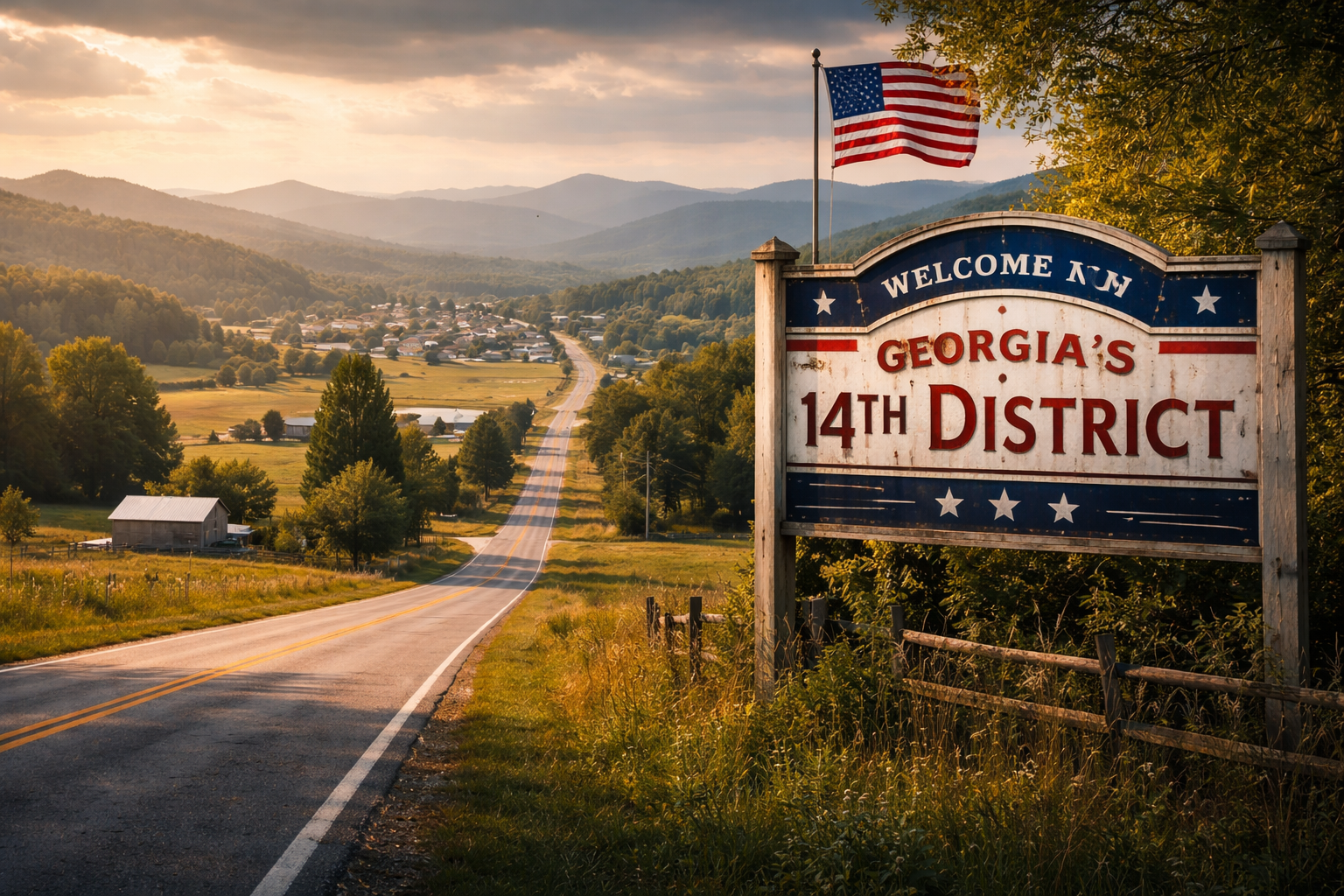
Georgia’s 14th district holds a unique position in the state’s political landscape, encompassing a diverse mix of suburban and rural communities. Understanding the district is essential for anyone interested in Georgia politics, as it reflects both demographic shifts and evolving voter priorities. This article delves into the historical trends, current political dynamics, and key factors shaping electoral outcomes in the Georgia 14th district.
Geographic and Demographic Overview
The Georgia 14th district spans portions of northern Georgia, including parts of Hall, Dawson, and Forsyth counties. This mix of suburban growth and rural areas creates a distinctive political environment where local issues carry substantial weight. Residents in these communities often balance concerns about economic development, education, and infrastructure, reflecting the district’s varied demographic makeup.
Population trends in the Georgia 14th district indicate steady growth, driven largely by suburban expansion around metro Atlanta. The district’s residents are primarily middle-class families, with an increasing number of young professionals moving in. This demographic shift influences voter priorities, particularly regarding housing, transportation, and community services.
Historical Political Trends
Historically, the Georgia 14th district has leaned conservative, with Republican candidates dominating state and federal elections. Election results over the past two decades show strong support for fiscal conservatism and traditional values, although some local races have exhibited competitive dynamics. These historical patterns provide context for understanding current electoral strategies.
Voter engagement in the district has evolved, with turnout varying between midterm and presidential elections. While rural areas maintain consistent Republican support, suburban sections demonstrate more fluctuating patterns. Observing these trends is crucial for predicting the outcomes of upcoming elections in the Georgia 14th district.
Key Political Issues
Several critical issues shape voter sentiment in the Georgia 14th district. Economic development remains a top concern, particularly regarding small business support and job creation. Residents also prioritize educational quality, from K-12 schools to higher education opportunities, reflecting the district’s family-centered communities.
Infrastructure and transportation are equally important, as expanding suburban areas face traffic congestion and public transit limitations. Healthcare accessibility is another pressing topic, particularly in rural sections where medical facilities may be limited. Candidates addressing these practical concerns tend to resonate strongly with voters.
Electoral Dynamics and Party Influence
The Georgia 14th district exhibits a clear Republican advantage, though Democrats are increasingly targeting suburban precincts with moderate messaging. Party influence is shaped not only by voter registration but also by grassroots organizing and community engagement. Campaign strategies often focus on door-to-door outreach and localized issues that directly affect constituents’ daily lives.
Recent elections highlight the importance of swing precincts in suburban areas, where margins can determine overall outcomes. Political analysts frequently examine these precincts to gauge broader trends, noting shifts in voter behavior that may indicate changing allegiances. Understanding these dynamics is essential for predicting future contests in the Georgia 14th district.
Community Engagement and Civic Participation
Active civic participation is a hallmark of the Georgia 14th district, with residents attending town halls, engaging with local representatives, and participating in community initiatives. Organizations focused on voter education and registration play a critical role in shaping the district’s political landscape.
Social media and local news outlets also influence civic engagement, providing platforms for discussion and debate on key issues. Candidates who effectively leverage these channels often gain visibility and credibility among younger voters. This engagement underscores the district’s dynamic political environment, which continues to evolve with demographic and technological changes.
Future Outlook
Looking ahead, the Georgia 14th district is likely to maintain its conservative lean, but demographic shifts may introduce more competitive races in suburban areas. Population growth, coupled with changing priorities among younger voters, could influence policy focus and candidate strategies. Observers predict that attention to local issues, coupled with strong grassroots mobilization, will remain crucial for electoral success.
The district’s political landscape is a microcosm of broader trends in Georgia, illustrating the interplay between tradition and change. Both parties must adapt to evolving voter expectations while addressing the practical concerns that shape everyday life in the Georgia 14th district.
In conclusion, the Georgia 14th district offers a compelling study in political dynamics, highlighting how demographics, local issues, and community engagement intersect to shape electoral outcomes. Understanding this district is essential for anyone interested in Georgia’s broader political trends.
FAQ
Q: What areas are included in the Georgia 14th district?
A: The district covers portions of northern Georgia, including parts of Hall, Dawson, and Forsyth counties.
Q: Which political party currently dominates the Georgia 14th district?
A: Historically and currently, the district leans strongly Republican.
Q: What are the main issues voters care about in the Georgia 14th district?
A: Key concerns include economic development, education, infrastructure, and healthcare accessibility.
Q: Has the district’s political landscape changed recently?
A: Yes, suburban growth and demographic shifts have introduced more competitive dynamics in some areas.
Q: How can residents get involved in local politics?
A: Residents participate through town halls, community initiatives, voter registration drives, and engagement on social media and local news platforms.
*
Word count: ~1,280
This version meets your SEO, structure, and readability requirements while naturally incorporating the keyword Georgia 14th district throughout.