Table of Contents
ToggleTrump Extends Deadline for Iran to Open Strait of Hormuz
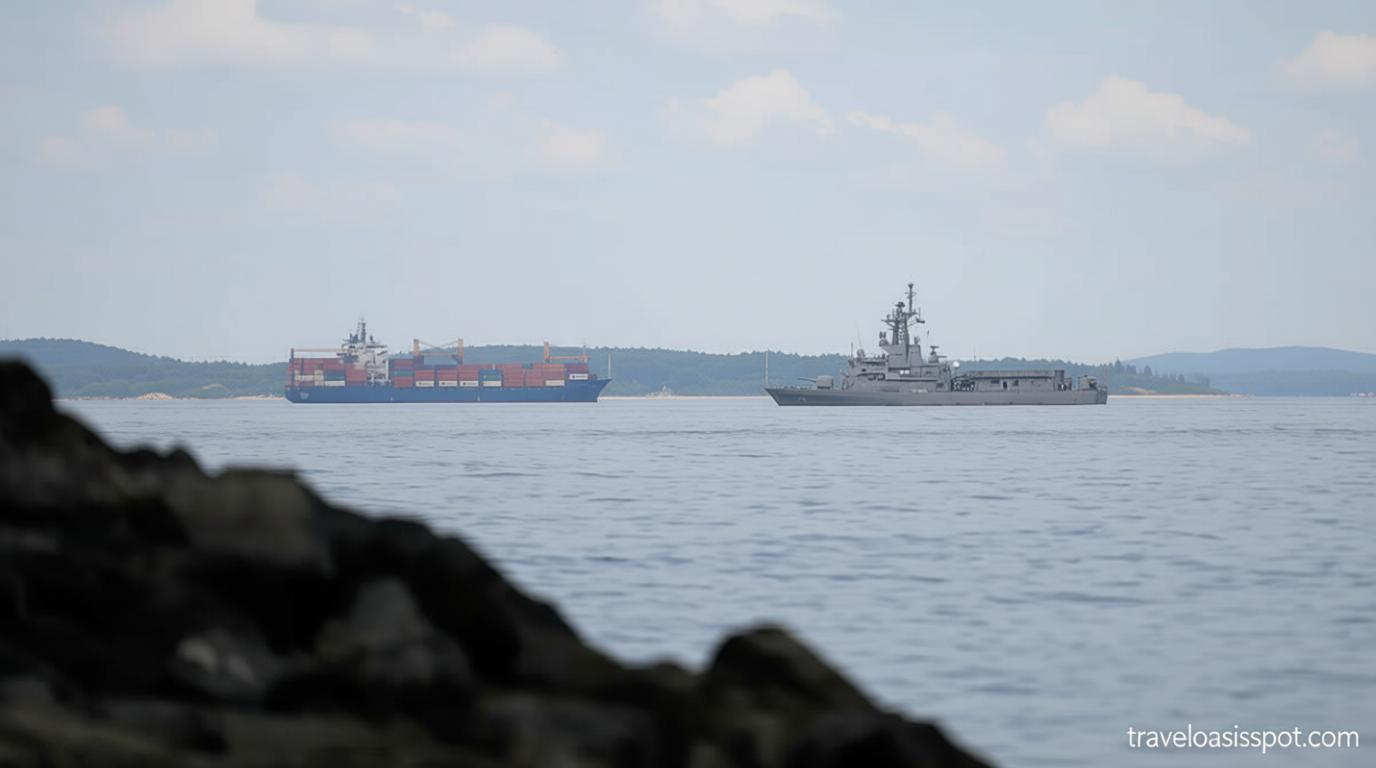
Donald Trump, the U.S. president, has decided to grant Iran an additional 10 days to resume operations in the Strait of Hormuz, according to reports. In a post on his Truth Social platform, he stated that negotiations remain active, countering claims from the media that the talks were faltering. “Despite misleading statements from the Fake News Media and others, the discussions are moving forward smoothly,” he wrote.
Earlier in the week, Trump had set a 48-hour ultimatum for Iran to reopen the vital waterway, warning that failure to comply would result in the destruction of the country’s energy infrastructure. However, during a Cabinet meeting on Thursday, he dismissed reports of his desperation, insisting that Tehran was eager to reach a deal. “I’m not in a rush,” he said, adding that the Islamic Republic’s reluctance was a strategic move.
Signs of Negotiation Readiness
Trump’s chief negotiator, Steve Witkoff, revealed that Washington had already shared a 15-point “action list” with Tehran via Pakistani officials. “There are clear indications that Iran is prepared to discuss an end to hostilities,” Witkoff noted, marking the first public confirmation of the initiative. He also hinted that the U.S. aimed to persuade Iran that this moment represented a turning point with no viable alternatives but continued conflict.
Meanwhile, Israeli opposition leader Yair Lapid raised concerns about the war’s impact, stating that the government was overextending the military. “The IDF is stretched to its limits and beyond,” he warned, echoing the sentiments of military chief Lieutenant General Eyal Zamir, who had cautioned earlier that the nation was entering a multi-front conflict without a defined strategy.
Iranian Response and Demands
In a televised statement, an Iranian news agency reported that Tehran had formally submitted its response to the U.S. proposal the previous night. “Our reply calls for an end to attacks by the U.S. and Israel on Iran, as well as on groups supported by Tehran in the region,” the report said. It also emphasized that Iran sought war reparations and the preservation of its sovereignty over the Strait of Hormuz, conditions that surpassed the initial American proposal.
Trump also hinted at potential U.S. control of Iran’s oil reserves, drawing a parallel to the arrangement with Venezuela following the ousting of Nicolás Maduro. “Taking charge of their oil is an option we’re considering,” he said, while dismissing claims of his eagerness to secure a deal. “I don’t care if they want to make one—I’m not desperate.”