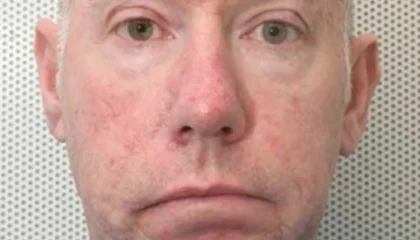
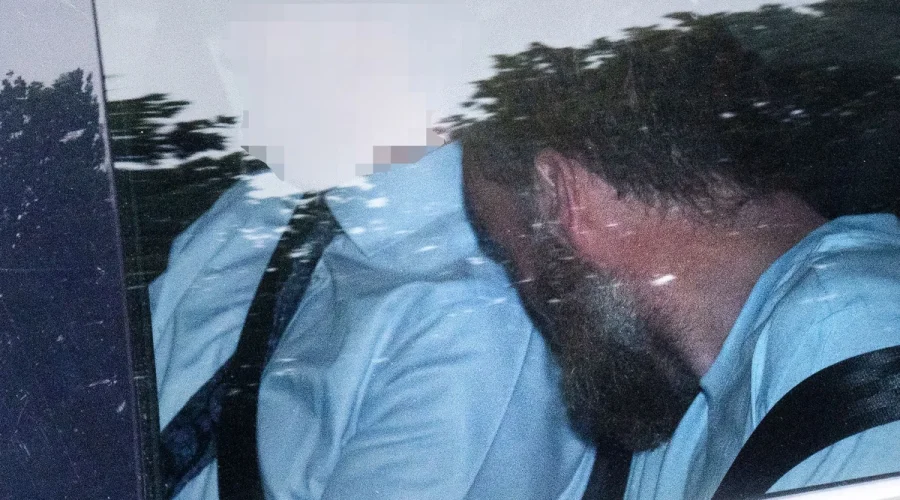
Dublin Museum Employee Charged with Explosives Possession in Border Case
Traveloasisspot.com – A Dublin museum employee charged with possessing explosives has appeared before the Special Criminal Court following a significant border incident. Simon O’Donovan, 44, from Sperrin Road in Drimnagh, faced charges related to explosive materials during a Saturday evening hearing at Dublin’s Criminal Courts of Justice. The case originated from a vehicle stop near Ireland’s northern boundary that revealed the contraband. O’Donovan, who works at Collins Barracks National Museum, chose to represent himself without legal counsel during the proceedings. His decision came amid an ongoing solicitors’ strike concerning proposed changes to criminal legal aid fee structures.
Court Appearance and Self-Representation
During the court hearing, O’Donovan explained his situation to Judge Patrick McGrath, stating he had “no representation at all” and requested the services of Darragh Mackin, a solicitor from Phoenix Law. Mackin appeared in court purely as a courtesy gesture, having not formally accepted instructions due to the industrial action. The Dublin museum employee charged with explosives possession explained that financial constraints prevented him from securing private legal representation for the matter. He characterized the circumstances as “grossly unfair” and expressed willingness to proceed with a separate bail hearing before the High Court independently.
Arrest Timeline and Details
Detective Sergeant Shane Noone provided detailed testimony regarding the arrest timeline. He stated that he detained Mr O’Donovan at 5:07pm on Saturday evening. The detective informed the accused that he would face charges for possession of explosives at St Laurence’s Road in Chapelizod, dated Wednesday July 22. Following the caution, O’Donovan responded with “I don’t understand.” Mr Noone repeated the caution to ensure the accused comprehended his rights. The court adjourned briefly to allow O’Donovan to discuss a potential bail application with Mr Mackin before reconvening.
Bail Application Refused
State solicitor Liam Mulholland observed that applying for bail so late in the day was “very unusual” given the nature of the case. Nevertheless, he acknowledged that courts must hear such applications when requested. The three-judge Special Criminal Court ordered O’Donovan’s continued detention until Monday before rising. During the High Court session, gardaí raised objections to the bail request. O’Donovan took the opportunity to voice his concerns about perceived inconsistencies in bail decisions. He told the court: “Just to state on the record that it seems to be quite unfair and there doesn’t seem to be continuity about how bail is granted, some people who can afford can, and some people who can’t are left without it.” The High Court ultimately refused the bail application following the gardaí objections.
Connected Border Case Developments
The explosives charges connect to an earlier incident involving a vehicle traveling along the N2 highway near Carrickmacross in County Monaghan. Gardaí conducted a stop and search of this vehicle on Wednesday. Law student Isobella Perrie Sullivan, 25 years old and living at Abbeylands Park in Clane, County Kildare, appeared before a district court on Friday. She faces charges for possession of explosives connected to the same case. Her solicitor, Gavin Booth of Phoenix Law, revealed that Perrie Sullivan had been requested to transport a bag northward without knowledge of its contents. While she received bail, she remains in custody pending an additional bail hearing scheduled for Monday.
FAQ: Understanding the Dublin Museum Employee Charged Case
Q: What charges is the Dublin museum employee facing? A: Simon O’Donovan is charged with possession of explosives following a border vehicle stop that uncovered the contraband materials.
Q: Why is O’Donovan representing himself in court? A: He chose self-representation due to an ongoing solicitors’ strike concerning criminal legal aid fee structures and his financial constraints.
Q: What is the Special Criminal Court? A: The Special Criminal Court handles serious cases in Ireland, particularly those involving organized crime and terrorism. Its three-judge composition distinguishes it from ordinary criminal courts.
Q: When is O’Donovan’s next court appearance? A: He is scheduled to appear personally before the Special Criminal Court in Dublin on Monday following the High Court’s bail refusal.