Significant Increase in Penalties for Illegal Waste Dumping Announced
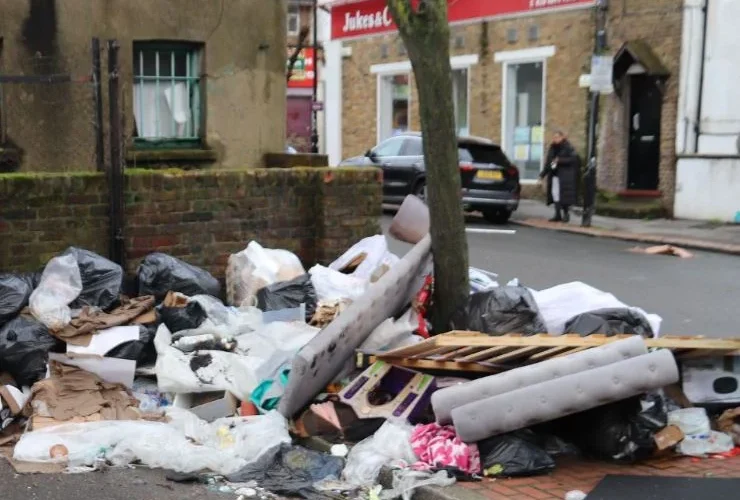
Fly tipping fines to soar to 5 – Under a comprehensive new enforcement initiative, individuals caught illegally dumping waste will face substantially higher financial penalties. The maximum fine for fly-tipping is set to rise dramatically to £5,000, marking a significant escalation in the government’s approach to environmental violations. This represents one of the most substantial increases in penalties for this particular offence in recent years.
Alongside the fly-tipping changes, the Department for Environment, Food and Rural Affairs has confirmed that the upper limit for littering fines on public streets will also be raised. The new maximum penalty for street littering will reach £750, reflecting the government’s commitment to tackling both major forms of environmental misconduct simultaneously.
Timeline and Magnitude of Changes
These enhanced penalties are scheduled to take effect during the summer months, giving local authorities time to prepare for the implementation of the new system. The numerical increases are particularly notable: the fly-tipping fine represents a 400 per cent uplift from the previous ceiling of £1,000. Meanwhile, the littering fine increase of 50 per cent demonstrates a more measured but still significant adjustment to existing penalties.
These figures underscore the government’s determination to send a strong message to those who regularly dispose of waste improperly. The substantial increase in fly-tipping penalties, in particular, signals that repeat offenders and those who dump large quantities of waste will face considerably more severe consequences than before.
Government Position and Enforcement Philosophy
Environment Secretary Emma Reynolds has been vocal about the government’s stance on environmental violations. She described fly-tipping and littering as practices that cause significant damage to local communities, calling them a “disgrace” that blights neighbourhoods across the country.
“Under this Government, criminals who break the rules will face heftier fines to clean up the mess they make.”
“We are sending a clear message to those who dump their rubbish – we are coming after you and you will pay the price.”
These statements reflect a broader governmental philosophy that environmental offenders should bear the financial burden of their actions. The emphasis on “criminals who break the rules” suggests that the government views these violations as serious matters deserving of robust enforcement rather than minor infractions.
Local Authority Implementation and Discretion
While the new legislation establishes clear maximum thresholds, local authorities will maintain considerable flexibility in how they apply the penalties. The Department for Environment, Food and Rural Affairs has confirmed that councils will retain full discretion over the level of fine issued in each case. This ensures that penalties can be appropriately scaled to reflect the severity of individual offences.
Councils will be able to issue fines anywhere between the minimum and maximum thresholds established by the new legislation. This graduated approach allows for proportionate punishment, ensuring that minor violations do not attract the same penalties as serious, repeated offences. The system is designed to be fair while still providing strong deterrents against environmental misconduct.
Additionally, the government has provided local authorities with new guidance on identifying and seizing vehicles involved in fly-tipping activities. This additional tool gives councils more power to track down offenders and prevent them from continuing their illegal waste disposal practices. The vehicle seizure provisions complement the financial penalties, creating a multi-faceted approach to enforcement.
Broader Context and Implications
The timing of these changes is significant, coming as part of a wider government effort to strengthen environmental protections and enforcement mechanisms. The substantial increase in fly-tipping fines, particularly the 400 per cent rise, represents a clear signal that the government is prepared to take a tougher stance on waste dumping.
Local communities that have suffered from illegal waste disposal will likely welcome these changes. The combination of higher fines, greater local authority discretion, and enhanced vehicle seizure powers creates a more comprehensive system for addressing fly-tipping and littering. The government’s approach appears designed to both punish offenders more severely and prevent future violations through stronger enforcement capabilities.
As the new legislation comes into force this summer, local authorities across the country will begin implementing these enhanced penalties. The success of the crackdown will depend on effective implementation and consistent enforcement, but the framework established by the new legislation provides a solid foundation for reducing fly-tipping and littering in communities nationwide.