Resident Doctors Accept Pay Deal to End Strikes
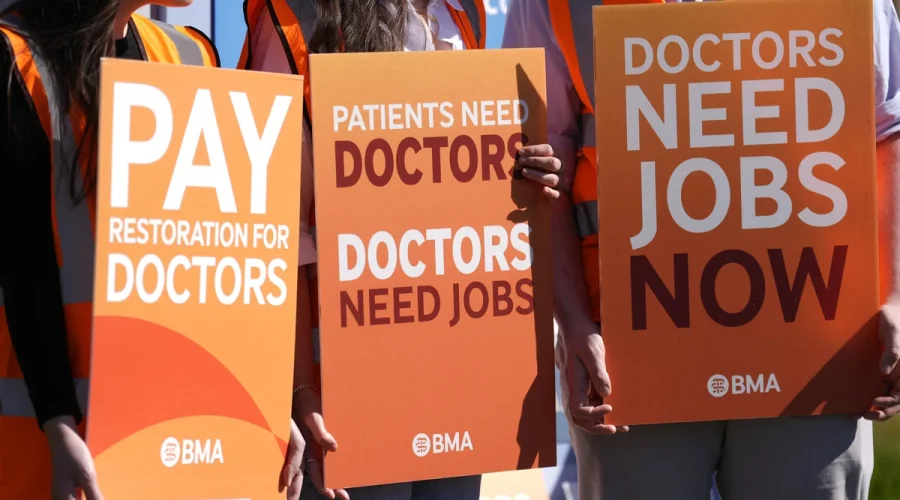
Resident doctors accept pay deal to end – After months of intense negotiations and a protracted campaign of industrial action, resident doctors in England have finally reached a consensus on a pay deal that will end their strikes. This agreement, which was finalized following a decisive online vote, addresses the long-standing grievances of the British Medical Association (BMA) Resident Doctor Committee and marks a significant turning point for the NHS workforce. The decision comes amid growing pressure from both the government and healthcare institutions to stabilize staffing levels and ensure fair compensation for trainee medical professionals. While the exact terms of the deal have not been fully disclosed, the acceptance of the proposed package signals a hopeful resolution to a crisis that has disrupted patient care and strained hospital operations.
Strikes and the Pivotal Moment
The strike action, which began in July 2025, was a response to deteriorating working conditions and insufficient pay for resident doctors. The BMA had previously warned that the situation could worsen without immediate intervention, citing concerns over workload, mental health, and financial sustainability. The 21-day walkouts, reduced hours, and service disruptions created a sense of urgency for both sides to find a compromise. Healthcare providers, including hospitals and primary care trusts, faced challenges in maintaining operations, while patients experienced delays in treatment. The DHSC confirmed that the strike’s conclusion is a direct result of the BMA’s commitment to resolving disputes through dialogue, even as it emphasized the importance of the deal in securing the future of the NHS.
Key Components of the Agreement
According to the latest updates, the pay deal includes a mix of immediate financial relief and long-term structural changes. While the exact percentage increase is yet to be confirmed, sources indicate that the agreement provides a modest salary raise, along with additional benefits such as improved shift patterns and better access to mental health support. The terms also address concerns about job security, with promises to review staffing levels and allocate more resources to training programs. These components are designed to balance the demands of resident doctors with the fiscal constraints of the NHS. The BMA has praised the deal for its inclusivity, stating it reflects the core issues raised by its members. However, some critics argue that the offer falls short of the original demands, particularly regarding the overall cost of living and career progression opportunities.
Public and Professional Reactions
The announcement of the pay deal has elicited mixed responses from the public and medical professionals. Healthcare workers, including nurses and support staff, have expressed relief that the strike is over, though some remain skeptical about the long-term effects of the agreement. Patients, who were initially affected by the reduced services, have also welcomed the decision, as it ensures continued access to medical care. On the other hand, the BMA’s Resident Doctor Committee has called the deal a “victory for negotiation,” but emphasized the need for ongoing monitoring to ensure its implementation. The Department of Health and Social Care (DHSC) has reiterated its commitment to improving the working environment for junior doctors, with officials stating that the agreement is a step toward a more sustainable healthcare system. Despite these positive remarks, the deal’s success will depend on its ability to meet the evolving needs of the medical profession.
Impact on the NHS and Future Outlook
With the strikes now concluded, the NHS is expected to benefit from the return of resident doctors to full duty. This development comes at a critical time, as the system continues to grapple with staffing shortages and rising operational costs. The pay deal is seen as a potential model for resolving similar disputes in other sectors of healthcare, though challenges remain in ensuring that the financial terms are equitable for all junior doctors. The DHSC has pledged to work closely with the BMA to evaluate the deal’s effectiveness over the next year, with plans to revisit negotiations if necessary. For now, the agreement has been hailed as a pragmatic solution that prioritizes stability and collaboration. However, the long-term success of the deal will hinge on its ability to address systemic issues such as burnout, retention, and career development pathways for trainees.
“The agreement represents a shared understanding of the challenges facing our profession and the importance of working together to find solutions,” said a spokesperson for the BMA’s Resident Doctor Committee. “While we are satisfied with the outcome, we remain committed to advocating for better conditions and fairer pay for all healthcare workers.”
The deal also highlights the role of public engagement in resolving labor disputes. The DHSC noted that the online vote was instrumental in demonstrating widespread support for the compromise, with over 85% of eligible resident doctors voting in favor. This level of participation underscores the importance of the issue to the medical workforce and the value of direct input in shaping policy. Moving forward, the focus will shift to implementing the agreed terms and assessing their impact on morale, productivity, and patient care. The NHS will now have the opportunity to stabilize its operations, but the journey to long-term reform is likely to continue.
Long-Term Implications and Lessons Learned
The resolution of the strike offers valuable lessons for future labor negotiations within the healthcare sector. It demonstrates the effectiveness of structured dialogue in addressing complex issues, particularly when both parties prioritize collaboration over confrontation. However, the deal also raises questions about the adequacy of financial support for junior doctors in the face of increasing costs. While the immediate impact is positive, medical professionals will be closely watching how the DHSC and other stakeholders manage the implementation of the agreement. The success of this pay deal could set a precedent for other unions seeking improved conditions, but it also serves as a reminder of the ongoing pressures on the NHS workforce. As the final details are finalized, the focus will remain on ensuring that the terms of the deal not only end the strikes but also provide a foundation for a more resilient and motivated medical community.