UK Salmonella Outbreak: One Death, 200+ Hospitalised, and a Warning Aimed at the Most Vulnerable Diners
Traveloasisspot.com – A single fatality and more than two hundred cases of food poisoning have triggered an urgent public-health advisory across Britain, urging the most at-risk diners to steer clear of raw or undercooked eggs served in restaurants, cafés, and takeaways. The Food Standards Agency (FSA) and the UK Health Security Agency (UKHSA) jointly issued the guidance after investigators traced the outbreak to eggs imported from outside the country.
The advisory singles out children under five, pregnant women, adults over sixty-five, and anyone living with a chronic or immunocompromising condition. These groups are specifically told to avoid runny eggs, freshly prepared dishes that incorporate raw or lightly cooked egg — including homemade-style mayonnaise, soufflés, and similar preparations — when consuming food away from home. Fully cooked eggs, by contrast, remain perfectly safe to eat, the FSA confirmed.
What the Numbers Reveal
The severity of this particular outbreak stands out even against the backdrop of routine salmonella incidents. More than a third of those affected — roughly 38 percent — required hospital admission, a rate well above what is typical for uncomplicated foodborne illness. Two patients developed bloodstream infections, a complication that can become rapidly life-threatening if not treated aggressively with intravenous antibiotics. One person has died.
For context, salmonella infections in the general population usually resolve within a week without medical intervention. The bacteria trigger abdominal cramping, watery diarrhoea, vomiting, and fever, symptoms that, while miserable, rarely escalate beyond mild dehydration in healthy adults. It is the extremes of age and immune status that transform a manageable stomach bug into a hospitalisation or worse.
The Likely Culprit: Imported Eggs in Commercial Kitchens
Investigators have not yet pinned down the exact point of contamination, but the working hypothesis centres on eggs brought into the UK from overseas suppliers. Those eggs, once cracked into commercial kitchens, end up in everything from breakfast plates to dessert soufflés. The FSA’s chief scientific adviser, Professor Ian Young, outlined the current state of play:
“The exact cause has not yet been identified, however, investigations so far have identified links to eggs imported from outside the UK, mainly used by food service and catering establishments such as restaurants or cafes, as a potential source.”
He added that the agency is coordinating closely with the UKHSA and other regulatory bodies to narrow the investigation and identify the specific supply chain failure.
Why the Advisory Targets Eating Out Specifically
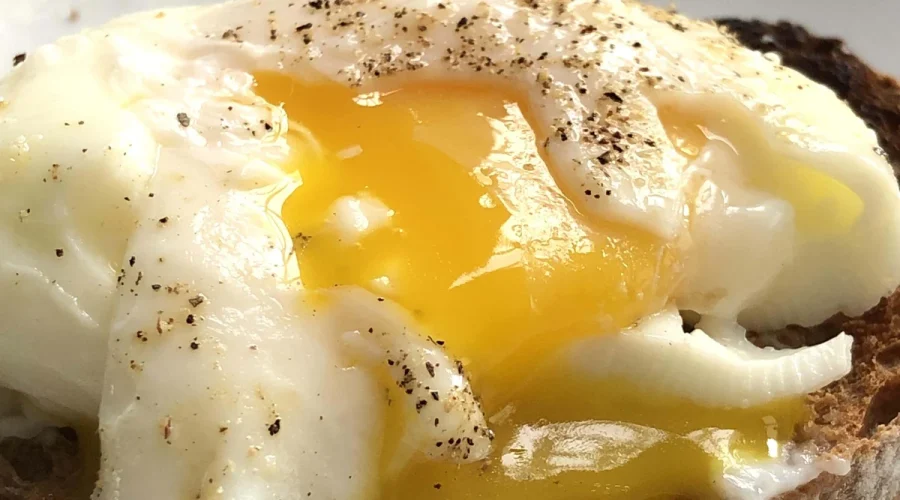
The distinction between home-cooked and restaurant-served eggs matters here. Most households in Britain cook eggs to order, and the risk of consuming a contaminated egg at home is low if the yolk is set. In commercial settings, however, eggs are often cracked in bulk, held at temperature, and incorporated into dishes where the internal temperature may never reach the 74 °C threshold needed to kill salmonella reliably. A runny omelette, a poached egg, or a béchamel thickened with raw egg can all harbour viable bacteria if the source egg was already contaminated.
Professor Young framed the advice in practical terms for diners:
“If people are eating out or consuming eggs or egg-containing products from cafes and restaurants then for those people in particular who are young, elderly, pregnant or vulnerable, it’s important to make sure that any eggs or egg products that you consume in those settings have been very well cooked.”
Understanding the Pathogen
Salmonella is a genus of rod-shaped bacteria that colonises the intestinal tracts of birds, reptiles, livestock, and humans. Transmission to a new host occurs when microscopic traces of faecal matter contaminate food, water, or surfaces. The organism does not need to multiply to large numbers before causing illness; a relatively small inoculum can trigger infection in a susceptible person.
Once ingested, the bacteria invade the intestinal lining, provoking an inflammatory response that produces the classic symptom triad of cramping, diarrhoea, and fever. In healthy adults the immune system typically clears the organism within seven to ten days. In infants, the elderly, and immunocompromised patients, however, the bacteria can breach the gut wall and enter the bloodstream — the scenario that produced the two sepsis cases in this outbreak.
What Diners Should Do Now
For the general population, the risk from a well-cooked egg in any setting remains negligible. The advisory is calibrated to protect those for whom a single bacterial dose can tip the balance toward hospitalisation. Practical steps for vulnerable diners include:
Ask servers whether eggs in a dish are fully cooked through, with no visible runny yolk. Avoid ordering dishes described as “soft,” “runny,” or “lightly set” unless you can confirm the egg was pasteurised beforehand. Be cautious with freshly made sauces, dressings, and baked goods that list egg as an ingredient, particularly if the establishment sources its eggs from bulk commercial suppliers rather than retail packs.
The FSA and UKHSA have signalled that further updates will follow as the investigation progresses. Until the specific contaminated batch or supplier is confirmed and removed from the supply chain, the precautionary advice for at-risk groups remains in force across all UK food-service venues.
Related Reading
Frequently Asked Questions
What is Under 5s and pregnant women told?
Under 5s and pregnant women told is the main topic of this guide. The article explains the context, practical details, and next steps readers should understand.
Why does Under 5s and pregnant women told matter?
Under 5s and pregnant women told matters because readers are looking for a useful answer, not just a short summary. Good content should match search intent and help them decide what to do next.