Table of Contents
ToggleChoc horror: Why ‘flavour’ bars and small packs are here to stay
Despite recent declines in cocoa costs to a three-year low and a 20% reduction in sugar prices, the trend toward chocolate-flavored bars and smaller packaging shows no signs of reversing. This shift has been driven by manufacturers adjusting formulations to meet cost pressures, even as consumers continue to notice changes in product sizes and descriptions.
Industry Shift
Consumer awareness of these changes became prominent last year, when cocoa prices reached near-record highs. At that time, brands began labeling products as “chocolate flavour” instead of “chocolate,” reflecting a drop in cocoa content to levels below the UK’s minimum requirements for milk chocolate—20% cocoa solids and 20% milk solids.
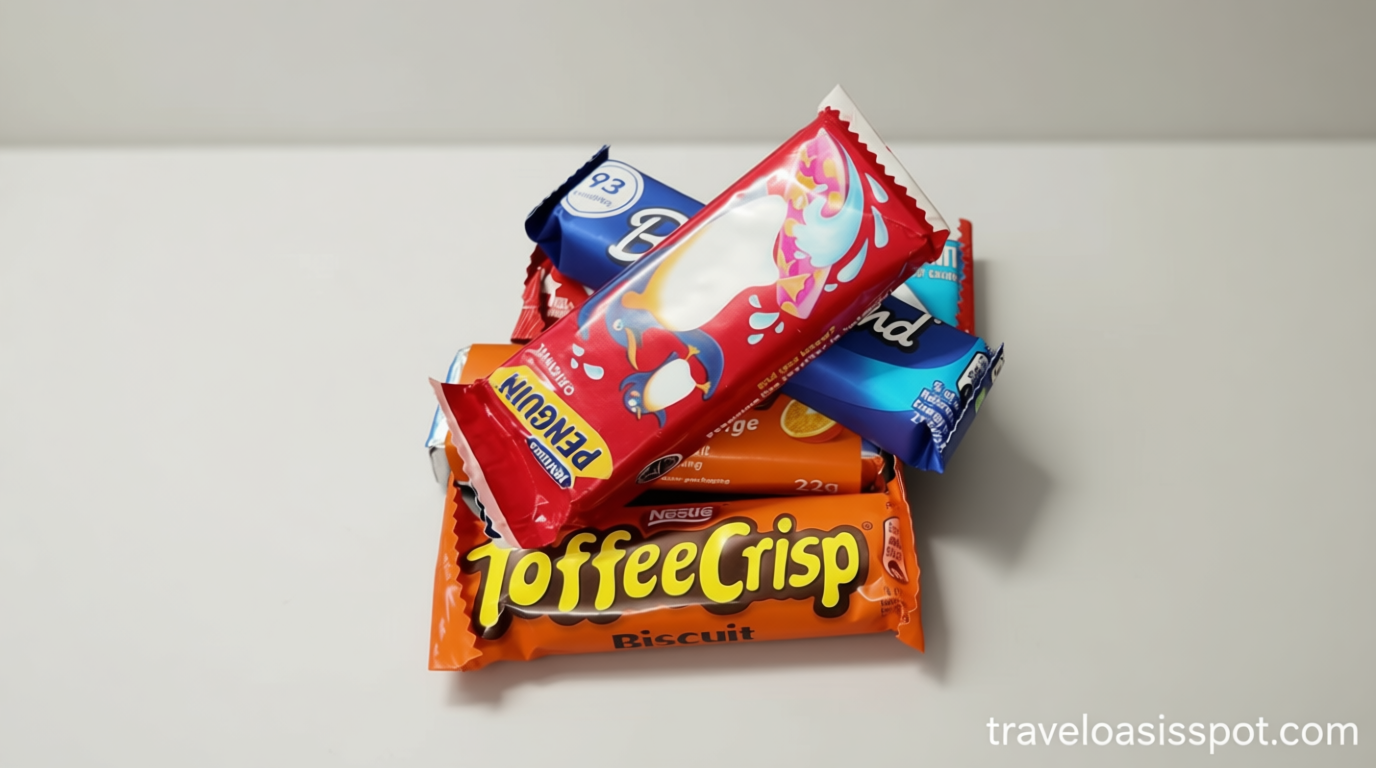
In December, Toffee Crisp and Blue Riband bars joined this trend, as their cocoa content fell below the threshold. This followed McVitie’s Penguin and Club bars in October, while KitKat White and McVitie’s white digestives also rebranded before 2025.
Manufacturer Responses
Companies contacted by Sky News have not announced plans to alter product recipes or weights. Nestle, producer of Toffee Crisp, Blue Riband, Quality Street, and KitKat, stated:
“There are currently no plans to make further recipe or weight changes to our individual confectionery products.”
Pladis, maker of Penguin, Club, and White Digestives, similarly confirmed no adjustments are in the pipeline. Meanwhile, Terry’s, Mars (owner of Celebrations), and Mondelez (Cadbury’s parent company) did not respond to Sky’s inquiries about their strategies in light of falling prices.
Weight Reductions Over Time
Shoppers have observed significant reductions in product sizes over the past year. For example, Celebrations lost 150 grams between 2021 and 2025, despite increasing in cost. Cadbury’s Dairy Milk shed 20 grams in four years, while Toblerone was found to be 20 grams lighter in September.
Quality Street tubs decreased from 600 grams to 550 grams at Christmas, and multipacks also saw reductions—Freddo and Cadbury Fudge packs now include fewer bars. KitKat two-finger milk chocolate bars, for instance, dropped from 21 to 18 pieces.
Market Volatility
The recent cocoa price drop comes too late for lower Easter chocolate costs, as manufacturers are still bound by contracts tied to higher prices. Gemma Whitaker of Whitakers Chocolate noted that pricing decisions for 2026 and 2027 will be based on these earlier commitments, with the Middle East conflict potentially driving costs upward.
Meanwhile, sugar prices have fallen 20% since last year, influenced by India’s surpluses and anticipated Brazil production. However, this does not necessarily translate to lower chocolate prices, as many producers prioritize sugar over cocoa in their cost structures.
Dominic Simler of Playin Choc highlighted that smaller manufacturers with higher cocoa content—around 40%—may see price reductions, particularly in the run-up to Christmas.
“For the smaller chocolatiers… who have a higher cocoa percentage, then I think we will be able to reduce the price, particularly of those higher cocoa content products,”
he said.
Yet, larger producers like the Big Seven, with cocoa levels around 20%, remain less affected by price fluctuations.
“If you’ve only got 14 or 20% cocoa in your product, like the big seven chocolate companies supplying supermarkets have, then actually, their biggest cost is not cocoa, by a long way. Their biggest cost is sugar, white sugar and milk, milk fat, essentially,”
Simler added.
Industry data from Worldpanel shows Easter egg prices have risen 9% compared to 2025, underscoring the ongoing challenges for consumers seeking affordable chocolate this season.