
Russian Plane Intercepted by UK Fighter Jets in the Arctic
Traveloasisspot.com – The UK’s military forces intercepted a Russian maritime reconnaissance aircraft in the Arctic region after it repeatedly approached the nation’s carrier strike group, as confirmed by the Ministry of Defence. The incident, which took place on July 2 in the Norwegian Sea, involved a Russian Tu-142 “Bear-F” flying at low altitude and without sufficient distance from HMS Prince of Wales, prompting immediate action by UK fighter jets.
Details of the Interception
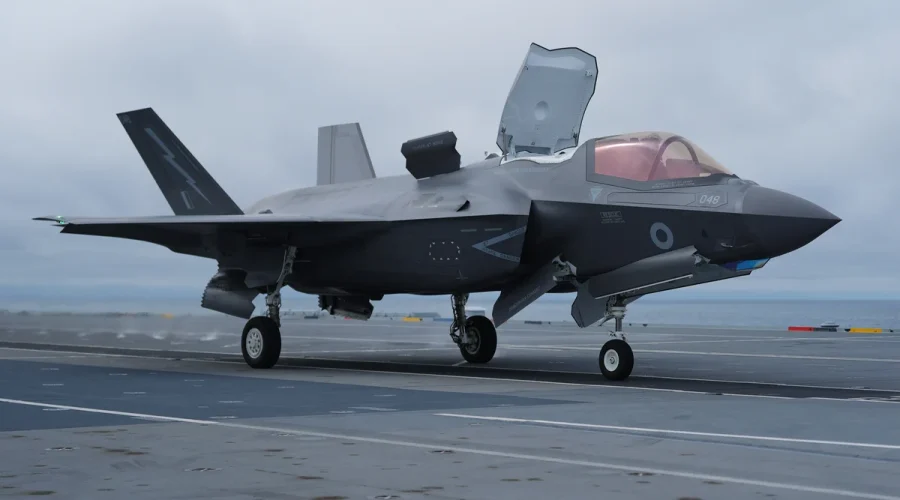
The Ministry of Defence stated that the Russian plane failed to respond to communication attempts on international frequencies, raising concerns about its intentions. In response, two F-35 jets were dispatched to escort the aircraft, ensuring it remained within safe boundaries. The interception continued until the Russian plane exited the operational area, with UK forces maintaining a vigilant presence to mitigate any potential threat.
“During Operation Firecrest, the UK’s Carrier Strike Group was approached by a Russian maritime patrol aircraft. The Bear-F passed at low altitude near HMS Prince of Wales, dropping a number of sonobuoys close to the carrier,” explained a Ministry of Defence spokesperson.
The action was described as “unsafe and unprofessional,” according to the MoD, which underscored the necessity of swift defensive measures. Sonobuoys, used to detect submarines, were deployed in the vicinity of the carrier, signaling a possible Russian intent to monitor or challenge UK naval operations in the region.
NATO’s Strategic Presence in the Arctic
The UK’s growing involvement in NATO operations has placed it at the forefront of defending Arctic interests. The country now leads the alliance’s rapid deployment unit, a critical component in responding to emerging threats. This unit, referred to as “the spearhead” of NATO’s defensive capabilities, enhances collective security in the region, including the interception of Russian aircraft.
The HMS Prince of Wales, one of Britain’s two active aircraft carriers, plays a central role in these efforts. Supported by a Type 45 destroyer, HMS Duncan, and advanced F-35 jets, the strike group is a symbol of the UK’s strategic commitment to the Arctic. Over 1,500 personnel are stationed in the area, highlighting the scale of the operation.
Russian Actions Prompt UK’s Air Defense Response
The incident follows a series of Russian military activities in the Arctic, including repeated flights near NATO vessels. The interception of the Russian plane by UK fighter jets demonstrates the alliance’s readiness to address potential aggressions. The use of F-35s in the Arctic underscores the integration of modern technology in safeguarding maritime and aerial domains.
Military analysts suggest that the Russian plane’s behavior could indicate either a lack of communication protocols or a deliberate provocation. The failure to acknowledge international frequencies highlights the need for increased vigilance in contested areas. The UK’s swift response reinforces its ability to protect national interests and support NATO’s broader objectives in the region.
Arctic as a New Front in Geopolitical Tensions
The Arctic has become a key theater for global power dynamics, with Russia and NATO nations vying for influence. The UK’s participation in the Arctic Sentry mission aligns with this strategic focus, aiming to monitor and counter potential threats. The interception of the Russian plane by UK fighter jets exemplifies the heightened security posture in the area.
The incident adds to a pattern of Russian activities near NATO assets, reflecting the ongoing competition for control over polar territories. The UK’s military presence, supported by its carrier strike group, serves as a deterrent while ensuring the safety of maritime routes and naval operations. The Arctic’s importance in trade and resource access makes such vigilance essential.