Table of Contents
ToggleTrump Grants Iran 10-Day Extension to Open Hormuz Strait
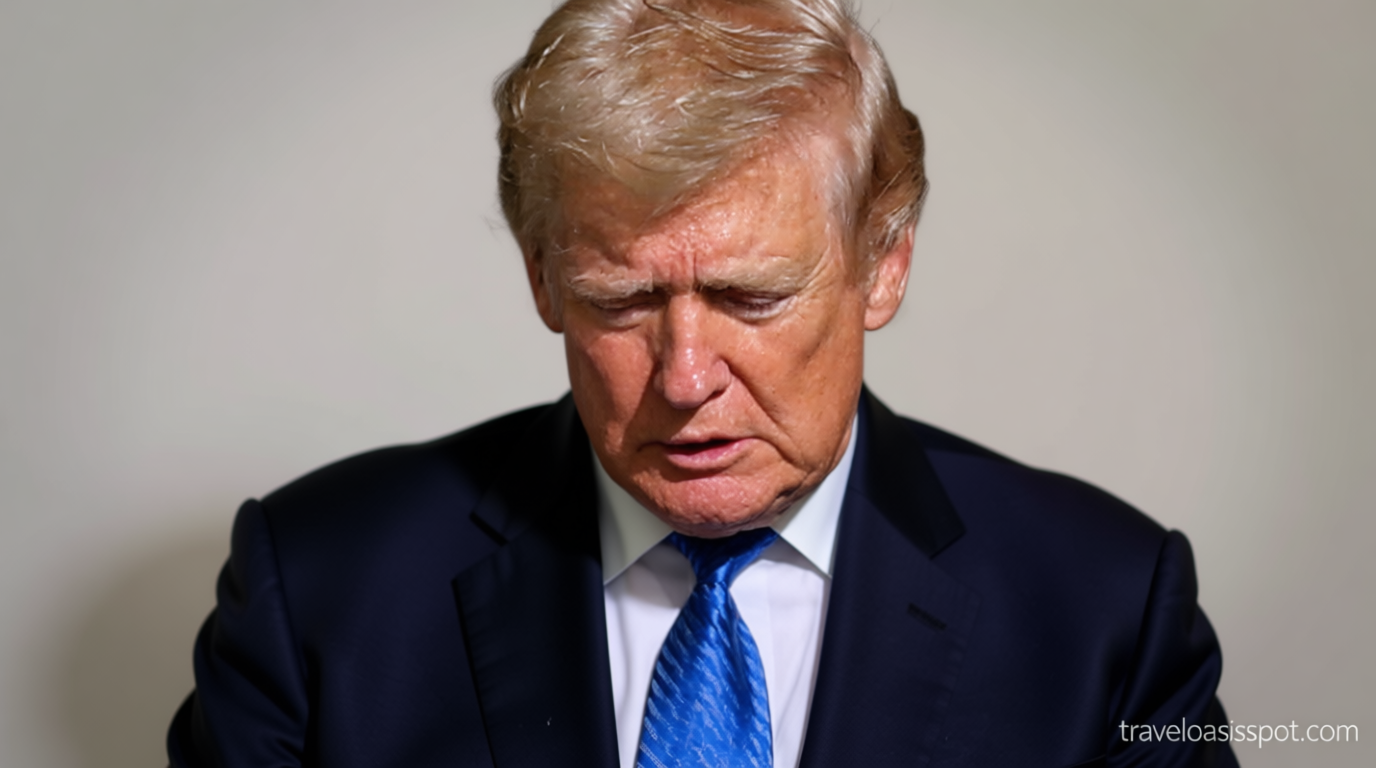
President Donald Trump announced a revised timeline, granting Iran an additional 10 days to secure the strait of Hormuz, pushing the deadline to 6 April. This adjustment followed his claim that negotiations were progressing smoothly, as shared in a Thursday social media post. “As per the Iranian Government’s request, this statement confirms I am suspending the destruction of energy facilities for 10 days, until Monday, April 6, 2026, at 8 P.M. Eastern Time,” he stated on Truth Social. Trump emphasized that discussions were advancing, dismissing negative reports from media outlets as misleading.
Later, during an interview with Fox News, Trump noted: “I allowed them a 10-day window, but they requested seven.” He reiterated his belief in a strategic victory, asserting: “In a way, we’ve already secured triumph.” The extension came after intensified military actions by the U.S. and Israel, including strikes on Iran’s naval and military targets, which had prompted Tehran to threaten broader attacks on energy infrastructure.
Escalating Strikes and Diplomatic Shifts
Israeli forces targeted Bandar Abbas, the Iranian port, eliminating key figures like Alireza Tangsiri, the Revolutionary Guards’ naval commander. Simultaneously, air raids near Isfahan, a critical military hub, were reported. These attacks followed the June 12-day conflict, during which U.S. strikes damaged a nuclear site. Despite these efforts, Iran maintained its stance, emphasizing its resolve to retaliate.
Trump’s new ultimatum was part of a series of remarks made in Washington and on social media, where he criticized NATO allies and highlighted Iran’s “great negotiators” and “lousy fighters.” He claimed that Tehran had permitted 10 oil tankers, including some with Pakistani flags, to pass through Hormuz as a sign of goodwill. Adm. Brad Cooper, head of U.S. Central Command, noted that the killing of Tangsiri signaled a “path toward irreversible decline” for Iran’s navy, stating the U.S. would continue targeting naval assets.
Iran’s Counterattack and Accusations of Bias
Iran’s foreign minister, Abbas Araghchi, criticized the U.S. for “double standards,” accusing it of condemning Iran’s defense while supporting Israel’s actions in Gaza. He tweeted: “The U.S. backed Israel’s Gaza blockade… yet condemns Iran for defending itself in the Strait of Hormuz. Double standard: Israel’s crimes are OK while Iran’s defense against aggressors is condemned.”
Meanwhile, Iran launched retaliatory strikes across the Middle East, with missile attacks hitting Tel Aviv, Modi’in, and Jerusalem. Israel’s air defenses intercepted these projectiles, while similar actions were reported in the Gulf. The war, which began with an Israeli airstrike that killed Ayatollah Ali Khamenei, has led to the deaths of numerous Iranian officials, including political leader Ali Larijani and the new supreme leader, Mojtaba Khamenei, who was reportedly injured in the attack that killed his father.
Pakistan’s Mediation and Target Adjustments
As tensions rose, Pakistan emerged as a key mediator, persuading the U.S. to protect certain figures from Israeli strikes. Israel Katz, the defense minister, confirmed that officials such as Abbas Araghchi and Mohammad Bagher Ghalibaf, Iran’s parliament speaker, had been removed from its hitlist. Ghalibaf is described as the “top man” in Tehran’s leadership, now less vulnerable to direct attacks.