
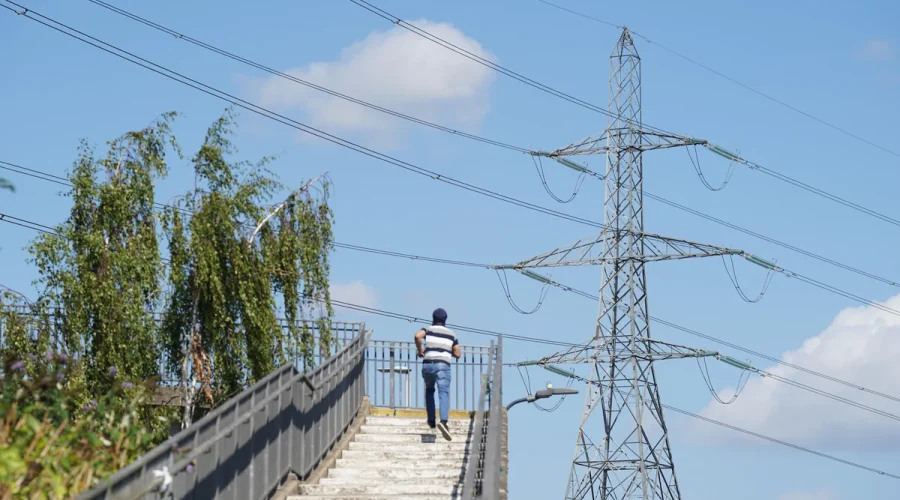
Britain’s electricity grid operator issues system warning due to extreme heat
Britain s electricity grid operator issues – As a persistent heatwave grips much of western Europe, the National Energy System Operator (Neso) has taken a proactive step to alert the energy sector. The grid manager, tasked with ensuring the stability of the nation’s power supply, has issued a notice indicating that electricity demand may outpace supply during the late hours of Wednesday. This development comes amid record-breaking temperatures that are already straining infrastructure and altering consumer behavior.
“Our forecasts are showing tight margins on the electricity system for (Wednesday) evening,” stated a Neso representative. “This is due to the impact of extremely high temperatures affecting Great Britain and the continent and low wind.”
The alert, known as an electricity margin notice, signals a potential shortfall in generation capacity. While such notices are typically associated with winter months, their issuance during the summer underscores the unusual strain on the grid. This rare summer intervention highlights how climate extremes are reshaping energy management strategies across the UK.
Neso’s role is to balance the electricity supply and demand in real time, a task that becomes more complex under extreme weather conditions. The notice serves as a call to action for energy producers, urging them to prepare for increased output if necessary. It does not imply an immediate crisis but rather a precautionary measure to mitigate risks before they escalate.
The situation is driven by two key factors: soaring temperatures and reduced wind activity. High ambient heat is reducing the efficiency of power generation processes, particularly for nuclear reactors and gas facilities, which require cooling systems to operate optimally. Simultaneously, the absence of strong winds is limiting the output from renewable energy sources, such as wind farms, that contribute significantly to the grid’s capacity.
This week’s heatwave is expected to push temperatures in parts of England and Wales to 40°C, a level not seen in many years. The “heat-dome” phenomenon, which has settled over western Europe, is creating a perfect storm of demand and supply challenges. As more households and businesses turn to fans and air conditioning to combat the sweltering heat, the overall consumption of electricity is climbing rapidly.
Despite the challenges, Neso emphasized that the margin notice is part of its standard operational toolkit. “It does not mean electricity supply is at risk,” the spokesperson clarified. “This is a routine tool used to signal potential imbalances and ensure the system remains resilient.” The notice is in effect between 7pm and 10pm on Wednesday, a specific window when the strain is most likely to peak.
Understanding the Electricity Margin Notice
The electricity margin notice is a mechanism employed by Neso to monitor and manage the gap between electricity generation and consumption. It acts as a warning to the market that additional capacity may be needed to prevent disruptions. This system is designed to provide flexibility, allowing energy providers to adjust their operations in response to changing conditions. While the notice is common during colder months, its issuance this summer marks a significant departure from the norm, reflecting the unprecedented nature of current weather patterns.
During winter, demand for heating typically outstrips that of summer, making the grid more vulnerable to shortages. However, this summer’s notice is notable because it comes at a time when energy usage is rising due to both cooling needs and the natural increase in consumption associated with daylight hours. The combination of high temperatures and low wind activity is creating a scenario where the grid must work harder to meet demand than usual.
The spokesperson for Neso noted that the notice is not a sign of an impending crisis but a preventive step. “We are closely monitoring the situation and have contingency plans in place to address any shortfalls,” they added. This includes the potential for energy companies to ramp up production or draw from reserves to maintain a stable supply. The goal is to ensure that even with the current challenges, the UK’s power grid remains robust and capable of handling fluctuations.
Impact of the Heatwave on Energy Systems
The extreme weather conditions are not only affecting residential energy use but also industrial and commercial sectors. For instance, nuclear power plants, which rely on water for cooling, may see reduced efficiency as temperatures rise and water reserves dwindle. Similarly, gas stations are experiencing higher operational