Table of Contents
ToggleMiddle East conflict: Do US voters back Trump’s Iran war?
Shifting Perceptions Amid Rising Tensions
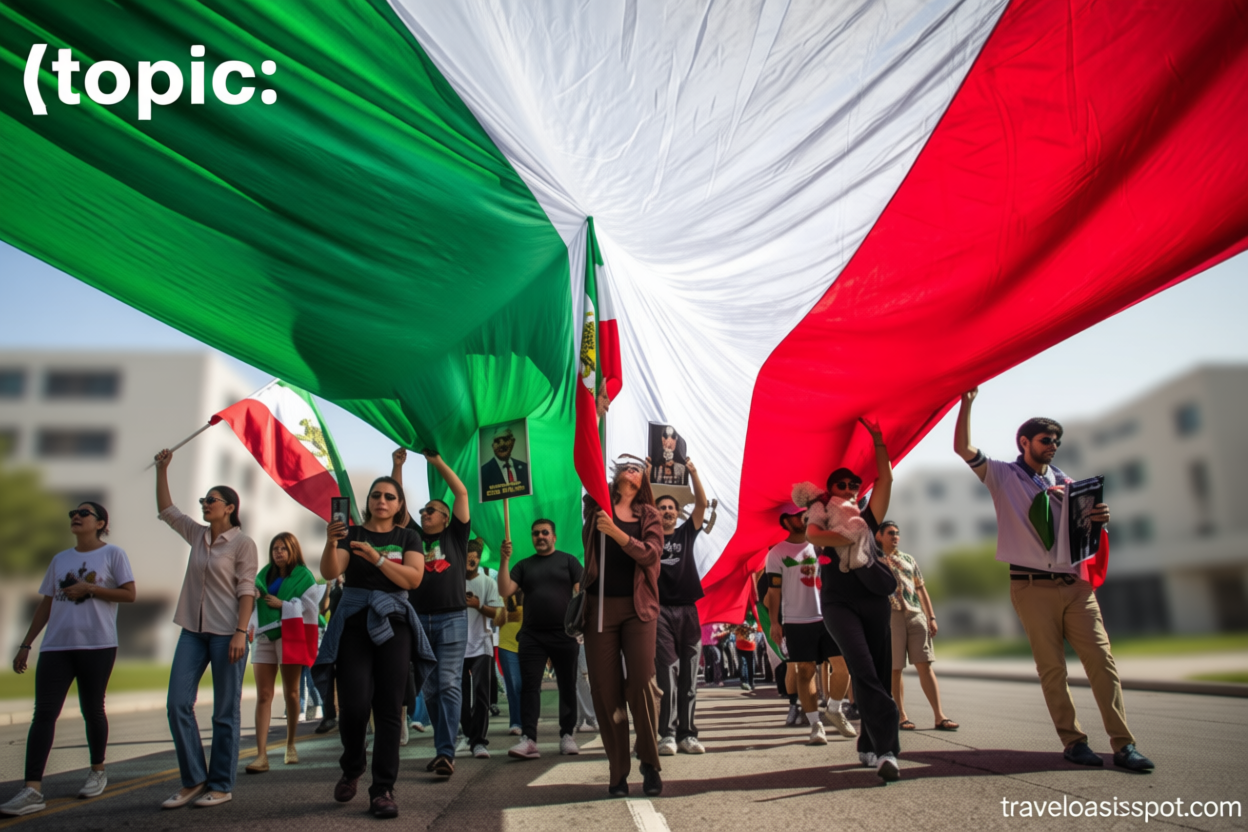
The ongoing U.S. military actions against Iran have sparked concerns over their economic effects, notably fueling oil price increases and contributing to inflation. Public sentiment is divided, with polls indicating a majority of Americans oppose the conflict. Despite this, Trump’s political allies remain largely supportive, suggesting a complex domestic landscape.
From Peace to War: A Contradiction?
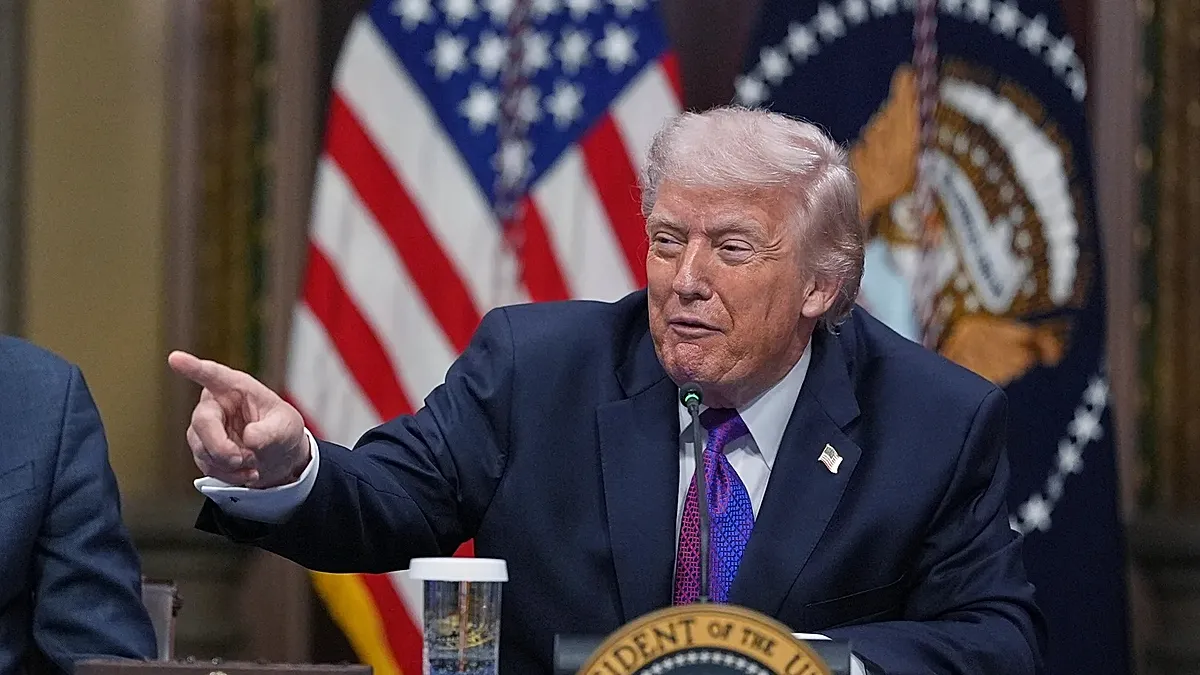
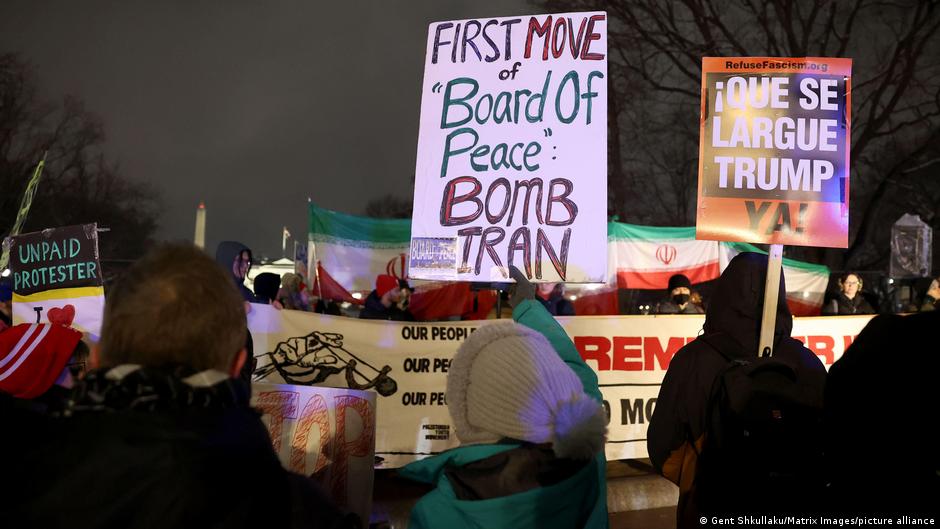
Donald Trump once positioned himself as a leader of peace, claiming to have resolved multiple global conflicts. He even established the Board of Peace and advocated for a Nobel Peace Prize. Yet, the recent strikes on Iran have flipped this narrative. Trump’s use of military force in January to oust Venezuelan leader Nicolas Maduro further underscores this shift.
“The current situation in the Middle East is more likely to exacerbate domestic concerns and refocus American attention on a questionable and shaky US economy,”
Jonathan Katz, now with the Brookings Institution, notes the economic impact. Meanwhile, former Fox News commentator Tucker Carlson has criticized the Iran strikes, calling them “absolutely disgusting and evil,” highlighting internal divisions within Trump’s base.
Political Fallout and Unilateral Moves
Trump’s Iran war has drawn scrutiny, particularly as it contradicts his campaign pledge to end endless conflicts. Critics argue that the economic repercussions—rising fuel costs and inflation—are undermining his promises. Johannes Thimm of the SWP highlights how these consequences could strain the budget and provoke public backlash.
Domestic resistance is expected to grow, especially if the economic toll becomes evident. The Democratic-led War Powers Resolution, aimed at curbing presidential war authority, has already been rejected by the Senate. This underscores the challenge of congressional oversight in modern warfare, even though the Constitution grants Congress the power to declare war.
Midterm Elections and Strategic Dilemmas
With midterm elections approaching in November, the Republican Party faces a tough choice. While supporting Trump is crucial, the war’s unpopularity may jeopardize their chances. Thimm suggests the party is caught between loyalty to their leader and addressing voter discontent.
Thomas Warrick of the Atlantic Council warns that Trump’s unilateral approach could backfire. By acting without congressional backing, he risks a significant domestic setback if the conflict fails to deliver expected outcomes. This dynamic adds pressure as the political stakes rise.