Blanche insists violent conduct will be weighed when applying for new anti-weaponization fund payouts
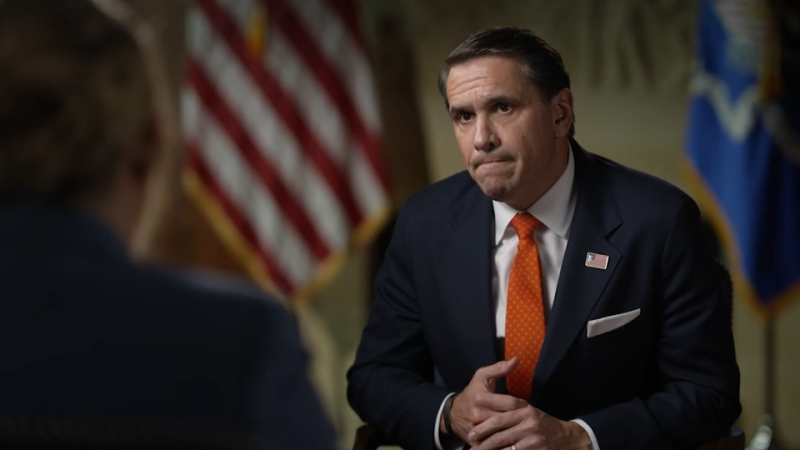
Blanche insists violent conduct will be weighed – Acting Attorney General Todd Blanche emphasized during an interview on Wednesday that the actions of January 6, 2021, rioters who targeted law enforcement will be a critical element in the evaluation of claims for the upcoming anti-weaponization fund. “The conduct of the claimants will play a role in the commission’s decision-making,” he stated, underscoring that the fund’s application process will not overlook the behavior of those involved in the attack. Blanche highlighted that individuals seeking compensation must demonstrate their actions, such as assaulting a police officer, to qualify for payouts.
“One of the key factors the commissioners will consider is what the claimant did—specifically, the claimant’s conduct,” Blanche explained to CNN’s Paula Reid. “They’ll need to say, ‘I physically attacked a law enforcement officer, and I’m seeking financial support.’” He added that while the final decision on awards rests with the commissioners, their assessment will include the claimant’s actions, reinforcing that Trump “does not support individuals who harm officers.”
The attorney general’s remarks came amid growing concerns from Democrats and other critics about the potential for widespread access to the $1.8 billion fund. These concerns stem from the belief that individuals involved in the January 6 assault could receive significant taxpayer compensation simply by showing prior prosecution by the Justice Department. Some of those already seeking millions from the government have expressed eagerness to submit their claims as soon as possible, according to recent reports.
Blanche addressed the possibility that violent conduct toward officers might be overlooked, but he clarified that the commission will assess each case based on its merits. “It’s not a guarantee that someone who was aggressive will get money,” he said, noting that the process involves weighing multiple factors. The attorney general also mentioned that the fund’s structure aims to streamline compensation, preventing a flood of lawsuits against the government. This is particularly relevant given the large number of claimants who have already been identified.
Commission Structure and Selection Process
The anti-weaponization fund will be managed by a five-member commission, with appointments determined by Trump’s attorney general. Importantly, the president retains the authority to remove any member at will, according to Blanche. One of the commission’s five spots will be selected “in consultation” with Congress, though the specifics of this collaboration remain unclear. The commission members will not receive financial compensation for their roles, a detail Blanche highlighted as part of the fund’s design.
When asked about the potential influence of political affiliations on the selection of commissioners, Blanche expressed uncertainty. “I’m not sure if political connections will be a factor,” he admitted, but he suggested that the commissioners will be “smart people” who understand the political dynamics at play. He noted that the process has already attracted interest, with numerous applicants submitting their names since the fund’s announcement. However, the final list of commissioners will be revealed once the process is fully prepared.
Blanche’s Defense of the Fund’s Purpose
Blanche also tackled concerns about the fund’s potential to lead to excessive payouts. “This isn’t a ‘get rich quick’ scheme,” he argued, pointing out that the process mirrors other large-scale compensation programs. He explained that while the fund provides a dedicated pool of money, it does not automatically ensure wealth for every claimant, as the criteria for approval will be strict. “There’s a clear process for evaluating claims,” he said, adding that the fund will help manage the volume of litigation.
When questioned about the timing of the fund’s rollout as gas prices climbed, Blanche dismissed the criticism. “The work we’ve done in addressing election fraud has already saved billions for taxpayers,” he stated, arguing that the fund is a necessary and timely measure. He described the current outrage as “fake” because no claimants have yet been awarded funds. “There’s nothing to be upset about,” he said, pointing out that the commission hasn’t finalized its parameters or named its members.
Legal and Political Implications
Blanche’s comments reflect the Justice Department’s strategy to balance accountability with compensation for those affected. The fund’s emphasis on restitution aligns with Trump’s broader approach to addressing claims from January 6 participants, including those who were pardoned after the attack. More than 1,000 individuals, including many who engaged in violence against officers, were pardoned by Trump shortly after his return to the White House, further fueling debates about the fund’s fairness.
Some legal experts argue that the fund could be a powerful tool for individuals seeking to offset their financial losses from the riot. However, critics worry that it may inadvertently reward those who caused harm, particularly if the commission’s criteria are lenient. Blanche acknowledged these concerns but maintained that the process is designed to be rigorous. “The commissioners will be tasked with assessing each case individually,” he said, adding that the selection of members will ensure the fund’s objectives are met.
The attorney general also stressed that the fund is part of a larger effort to resolve disputes efficiently. “This is a common method for settling claims when large numbers are involved,” he explained, using the example of other government compensation programs. While the fund is not yet operational, its structure is intended to provide clarity and streamline the process for those affected by the January 6 events.
Public Reaction and Future Outlook
Despite Blanche’s reassurances, the fund has sparked mixed reactions. While some view it as a necessary step for addressing claims, others see it as a way to provide financial relief to individuals who may have been unfairly targeted by the Justice Department. The attorney general noted that the current backlash is premature, as the commission has not yet begun its work. “The outrage is based on assumptions,” he said, emphasizing that the final rules will be established once the process is ready.
Blanche’s remarks also highlight the political nature of the commission’s composition. The attorney general’s ability to choose members and remove them at will raises questions about the fund’s impartiality. However, he argued that the selection process will prioritize expertise and sensitivity to the political landscape. “We’ve already received a lot of interest, but the details will be finalized as we move forward,” he said, leaving the door open for further adjustments.
As the fund prepares to launch, the focus remains on its ability to fairly distribute compensation. Blanche’s statements provide a framework for understanding the criteria and structure of the program, but the outcome will depend on the commission’s interpretation of the rules. The debate over the fund’s role in January 6 cases continues, with both supporters and critics waiting to see how the process unfolds. For now, Blanche is confident that the fund will serve its intended purpose, even as questions about its fairness linger.