Community Fight to Preserve Historic Indoor Skatepark in East London
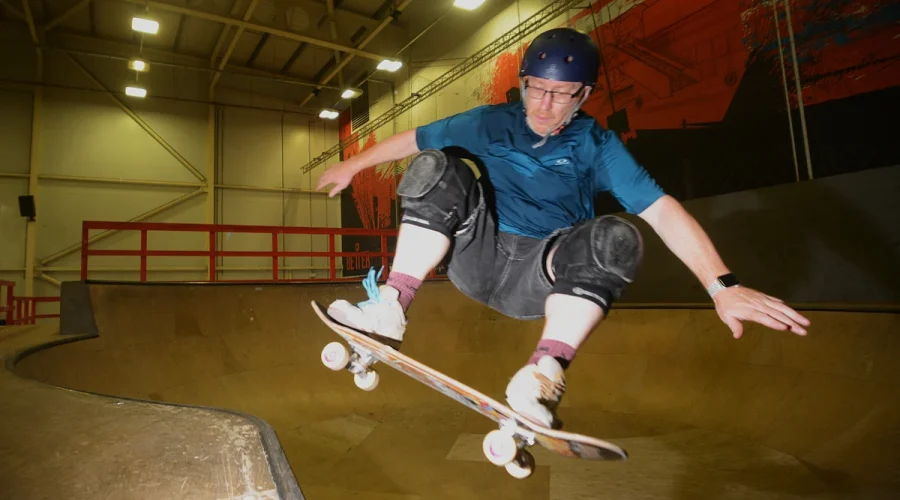
Skaters launch campaign to save one – A passionate group of local skaters has initiated a vigorous campaign to prevent the closure of one of the capital’s rare indoor skateboarding facilities. Barking Sporthouse, a beloved venue in East London, announced its intention to shut down the skatepark on August 2nd, with plans to convert the space into padel courts instead. Eleanor Dunlop, a dedicated campaigner leading the effort to save the facility, described the skatepark as an essential lifeline for her personal wellbeing. She expressed deep concern that losing this space would leave her without a vital community hub. The closure announcement came as a shock to many regular users who had grown accustomed to the venue’s consistent presence.
Financial Concerns Drive Decision
GLL, the leisure management company operating the center under its Better brand, explained that the closure stems from declining attendance figures. According to the organization, visitor numbers dropped by 25 percent between 2024 and 2025. The skatepark has reportedly operated at a financial loss annually, despite various initiatives designed to boost participation rates. A GLL spokesperson noted that the facility now averages fewer than three visits per hour, even though it has the capacity to accommodate up to 60 users simultaneously. The company stated that this decision followed careful consideration of the facility’s long-term sustainability.
Community Petition Gains Momentum
Eleanor initiated an online petition earlier this month after receiving notification from center management about the impending closure. The petition has already garnered more than 2,300 signatures from supporters who believe the skatepark holds national significance. Many signatories highlight that the venue serves as a training ground for young Olympic hopefuls pursuing skateboarding careers. The campaigner emphasized several unique advantages of indoor facilities compared to outdoor alternatives. She noted that indoor parks can be utilized throughout all seasons, regardless of weather conditions. Additionally, women often report feeling safer in indoor environments, having experienced harassment and theft while skating outdoors.
Skateboarding is so important to me. I have a lot of different health issues and it’s been a lifeline for me personally. I’ve had my bag stolen while skating outdoors, and I’ve been harassed in outdoor parks.
When I went to Barking skatepark, I actually felt safe. You meet so many people and build friendships.
Missed Opportunities for Improvement
Eleanor revealed that GLL had turned down several proposals aimed at revitalizing the skatepark’s usage. These suggestions included organizing coaching sessions and partnering with Skateboard GB, the national governing body for the sport. Rather than implementing these recommendations, the management team opted to reduce opening hours and raise entry fees. Neil Ellis from Skateboard GB shared his perspective with the Local Democracy Reporting Service. He explained that his organization held meetings with Barking Sporthouse management last year to suggest strategies for expanding the user base. These strategies included promoting the venue to local skate communities and enhancing usage through events and coaching programs.
[We] had a meeting with the management team at Better Barking last year to provide advice on routes which could be taken to increase the user base, promote the venue to the local skate community and enhance use with events and coaching. To the best of our knowledge none of the recommendations were implemented.
Skateboard GB subsequently contacted GLL requesting an urgent meeting to discuss community consultation and offer support, though they have yet to receive a response.
Broader Community Impact
Beyond the skateboarding community, Eleanor highlighted concerns about the closure’s impact on local children. She noted that parents frequently visit the facility seeking a safe environment for their children to engage in physical activity. Many young children prefer riding scooters at the skatepark rather than participating in padel activities.
Parents say they go to have a safe place for their kids to play and be active. These kids love riding their scooters. They’re not interested in padel.
GLL acknowledged that the decision would disappoint some members of the skateboarding community but pointed out that Barking and Dagenham contains nine free outdoor skateparks. The company is currently negotiating with Barking and Dagenham Council to determine whether the skatepark’s ramps and equipment could be repurposed elsewhere in the borough. A council spokesperson clarified that since they do not operate the leisure center, they lack the authority to block the closure decision. However, they confirmed ongoing dialogue with GLL regarding the review and its potential implications.
We understand GLL is exploring whether the skatepark equipment could be reused elsewhere in the borough, and look forward to hearing more about the options that may be available.
GLL has been managing Barking Sporthouse for thirteen years, during which time the indoor skatepark has consistently operated at a financial loss. Despite this, the company maintains that the decision reflects a commitment to ensuring the facility’s long-term viability while exploring alternative uses for the valuable equipment.