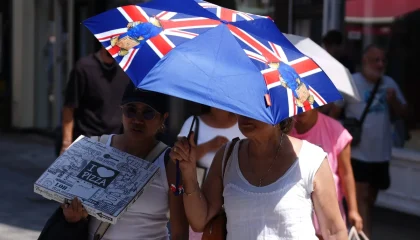

Extreme Heat Warning Extended but UK Heatwave Faces End
Extreme heat warning extended but end – The UK’s extreme heat alert has been prolonged, yet the intense heatwave is anticipated to conclude soon. Meteorological authorities have maintained an amber level of warning for the East and South East regions, extending it until 9 a.m. on Sunday. This follows a streak of record-breaking temperatures that gripped the country for three consecutive days, peaking in Suffolk with a provisional 37.3°C recorded in Santon Downham. On Saturday, the same location experienced a high of 32.3°C, marking the latest in a series of extreme weather events.
Heatwave’s Climate and Weather Impacts
Severe weather conditions have not only elevated temperatures but also triggered disruptions across key sectors. Thunderstorms swept through the UK on Saturday, causing flight delays at major airports. According to FlightAware, 484 inbound and outbound flights were affected by the evening, with Heathrow reporting 42% of its flights delayed and Gatwick at 50%. These disruptions underscore the heatwave’s far-reaching consequences, beyond mere temperature readings.
“Humidity levels will drop significantly, offering a much fresher feel than what we experienced for the latter part of last week,” noted Liam Eslik, a Met Office meteorologist. This shift is expected to ease the oppressive conditions that have persisted in East Anglia, where temperatures remained stubbornly high. Some areas may face another tropical night, with overnight lows not falling below 20°C, but the following day promises a cooling trend, with highs projected to range from 25°C to 26°C on the eastern coast and mid-to-low 20°C elsewhere.
Historical Context and Climate Change Role
The heatwave has shattered long-standing June temperature records, a milestone dating back to the 1976 summer. It surpassed the previous record by more than 1°C, a notable increase given that such thresholds were typically broken by minuscule margins in the past. Scientists emphasize that this level of extreme heat would have been nearly impossible 50 years ago, attributing the phenomenon to human-driven climate change. The burning of fossil fuels has intensified and increased the frequency of such events, creating a new normal for weather patterns in the region.
Emergency services have also felt the strain of the prolonged heat. Health officials reported a surge in life-threatening calls, forcing hospitals to declare critical incidents. At University Hospital Southampton, several planned operations and outpatient appointments were canceled due to the heightened demand. Meanwhile, educational institutions faced challenges as hundreds of schools and nurseries closed to protect staff and students from the sweltering conditions. In Kent, a hosepipe ban was enacted to conserve water amid surging usage.
Global Implications and Regional Warnings
While the focus remains on the UK’s weather, the broader implications of the heatwave extend to global climate discussions. The persistent high-pressure system, dubbed a “heat-dome,” has stalled over western Europe, trapping heat and creating an unusually prolonged period of extreme temperatures. This has compounded the effects of climate change, which is increasingly linked to more frequent and severe heatwaves worldwide. Environmental experts warn that such conditions will become more common as global temperatures continue to rise, posing risks to infrastructure, health, and ecosystems.
World Cup 2026: England vs Panama Match Highlights
As the heatwave dominated headlines, the World Cup 2026 tournament also drew attention. England’s upcoming clash against Panama was a focal point for fans and analysts alike. The match, set to kick off at a time yet to be confirmed, promises to be a test of endurance and strategy. Predictions suggest a closely contested game, with both teams preparing their lineups to maximize their chances. Updates on team news, including confirmed starting XI and injury reports, have been shared by sports media outlets.
Live Updates and Player Movements
Transfer news continued to shape the landscape of English football as the World Cup approaches. Arsenal escalated their bid for Guimaraes, while Manchester United pursued a major offer for Fernandes. Chelsea, meanwhile, is rumored to be exploring a double deal, and Liverpool’s latest developments were closely followed by fans. These moves reflect the dynamic nature of the transfer window and the impact of the heatwave on players’ training and performance.
Matchday Dynamics and Fan Engagement
Live coverage of the England vs Panama match has intensified, with updates on lineups, fan reactions, and broadcast details. The anticipated kick-off time has been highlighted by media, drawing anticipation for a high-stakes encounter. With both teams vying for a strong start in the tournament, the lineup announcements have sparked discussions on potential strategies and key players. The match is expected to be a thrilling display of skill and resilience, as teams adapt to the challenges posed by the extreme weather conditions.
As the heatwave subsides, the focus shifts to recovery efforts and preparing for future weather extremes. The Met Office continues to monitor the situation, providing regular updates on temperature fluctuations and humidity changes. Meanwhile, the World Cup 2026 matches serve as a reminder of the UK’s ability to balance natural challenges with sporting excellence. Andy Burnham, a political figure, has also drawn attention to the economic disparity between London and the north, suggesting that the south may be bearing the brunt of the country’s current climate and economic trends.
Despite the challenges, the resilience of communities and institutions has been evident. Schools, hospitals, and transport networks have adapted to the heatwave’s demands, showcasing the importance of preparedness in the face of extreme weather. As temperatures finally begin to decline, the UK looks toward a cooler future, though the lingering effects of the heatwave will remain a topic of discussion for weeks to come. The combination of natural and human factors has created a unique chapter in the country’s climate history, one that will influence future policies and public awareness of weather-related risks.