Treasury Should Reimburse £1 Ticket Contributions, Industry Leaders Argue
Treasury should return tax on 1 gig – Industry leaders in the live music sector are urging the Treasury to reclaim tax levied on £1 contributions from ticket sales, which are meant to support grassroots musicians and local venues. These funds, collected as part of a government initiative, have been generating significant revenue for the Treasury, but critics claim the policy is placing an unfair burden on the already struggling music industry.
Government’s VAT Revenue and Its Impact
Since the introduction of the £1 contribution scheme last year, the Treasury has amassed over £1 million through Value Added Tax (VAT) on these funds. This has raised concerns among venue owners and industry representatives, who argue that the tax is not justifiable when the money is directly intended to benefit the very artists and performers who drive the sector. Jon Collins, a prominent figure in the Live music Industry Venues and Entertainment group, emphasized the need for the government to reconsider its stance, stating that the VAT payments should be repaid to ensure the contributions reach their intended recipients.
“Reclaiming the VAT on these contributions is not just a matter of fairness—it’s essential for sustaining the music industry’s grassroots operations. The £1 per ticket model was designed to support musicians and venues, and taking 20% of that through tax is a significant drain on their resources.”
The £1 contribution is a mandatory payment from ticket sales for events with audiences exceeding 5,000 capacity. This funding stream supports various aspects of the live music ecosystem, including small festivals, independent venues, and touring crews. However, the recent imposition of VAT on these contributions has created a financial strain, particularly for smaller operators who rely heavily on such support.
Artists and Venues as Key Contributors
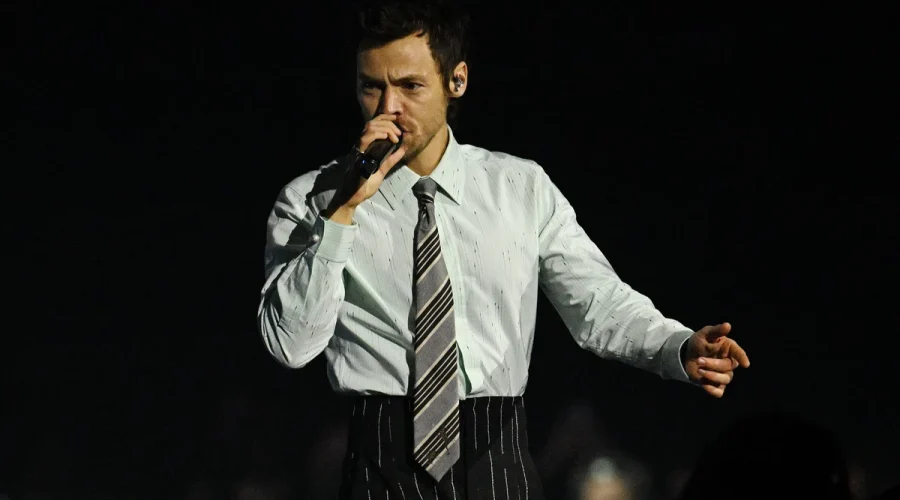
Top-tier artists like Harry Styles, Olivia Dean, and Lily Allen have been instrumental in generating substantial amounts through the £1 contribution scheme. Over the past year, their concerts have collected millions, with Harry Styles’ current Wembley tour alone expected to raise over £1 million. This means the government is collecting £200,000 in VAT from these contributions, a figure that has sparked calls for reform.
Jon Collins highlighted that the financial pressure on the industry has intensified in recent years, leading to challenges such as reduced tour sizes, smaller crew teams, and the collapse of several local festivals. These factors have made it even more critical to ensure that the £1 contributions are fully utilized to support the sector’s most vulnerable members.
“There is growing recognition that the Treasury should prioritize the grassroots side of the industry. While big artists and venues have adapted to the pressures, the financial strain on smaller operators remains a pressing issue.”
Since the scheme’s inception, the Live Trust has managed to raise around £6 million in contributions. Of this, the Treasury has already claimed approximately £1.2 million through VAT, leaving the trust to distribute the remaining funds. The organization plans to allocate £3.5 million by year-end, with £500,000 already distributed and additional amounts scheduled for July and November.
Calls for Policy Change
Live Trust has advocated for a policy adjustment, proposing either the exemption of £1 contributions from VAT or a matched refund system to offset the tax burden. Collins noted that there is a historical precedent for such exemptions, such as the 2014 VAT relief granted for Band Aid’s anniversary single, which allowed the contributions to flow directly to charitable causes without taxation.
The organization is currently in discussions with government departments, including the Department for Culture, Media and Sport, to explore viable solutions. Their goal is to ensure that 100% of every £1 pledged reaches the grassroots sector, either through tax relief or a refund mechanism. Collins emphasized that this is not just a financial issue but a strategic one, as it affects the long-term viability of the music industry.
Broader Context of Industry Struggles
The live music industry has faced mounting challenges in recent years, with costs rising and revenues fluctuating. Artists have been forced to scale back tours, trim crew sizes, and consolidate events to remain profitable. This has created a ripple effect, impacting venues and festivals that depend on consistent patronage. The £1 contribution scheme was introduced to provide a stable funding source, but its current structure has been criticized as counterproductive.
Collins pointed out that the financial pressures on the sector are not isolated to one group but are shared across venues, artists, and support staff. “Operators are often not paying themselves properly, and this has left the entire ecosystem under strain,” he said. The call for VAT refunds is seen as a way to alleviate this burden and ensure that the contributions serve their original purpose: fostering growth and sustainability within the live music community.
Looking Ahead: Potential Reforms
As the Live Trust prepares to distribute more funds in the coming months, the debate over VAT policy is gaining momentum. Industry leaders are advocating for a review of the current system, arguing that it should be adjusted to reflect the vital role of contributions in sustaining the sector. They believe that without intervention, the government’s tax collection could further erode the financial foundation of grassroots music venues and performers.
With the sector’s survival hanging in the balance, the pressure on the Treasury to act is intensifying. The Live Trust and other industry stakeholders are pushing for a solution that aligns with the original intent of the £1 contribution, ensuring that the funds are used to support the very people who create the music that draws audiences to venues across the country.
Public opinion is also being considered in the push for reform. As the government works to streamline decision-making processes in other areas, such as asylum cases, the music industry is hoping for similar efficiency in adjusting the VAT policy. The combination of financial pressure and growing recognition of the contributions’ importance could pave the way for meaningful change in the near future.