
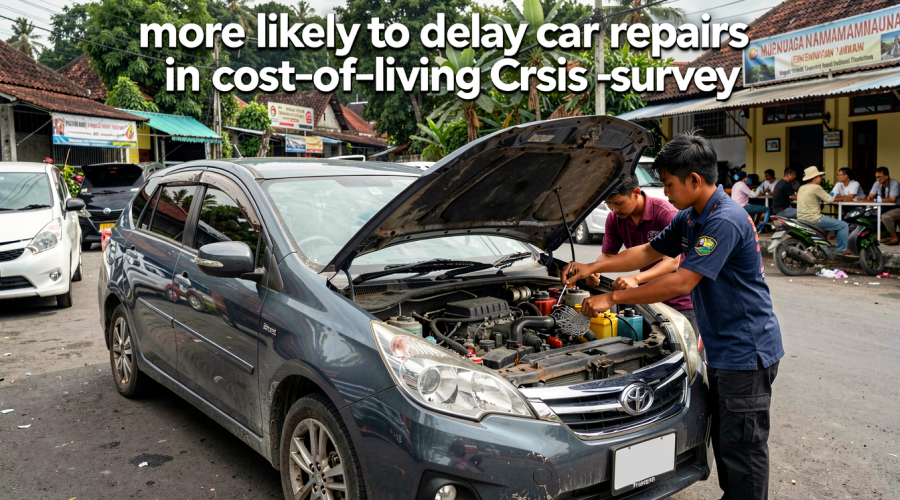
Young Drivers More Likely to Delay Car Repairs
Traveloasisspot.com – Young drivers more likely to delay essential vehicle maintenance than any other age cohort, according to findings published alongside the Royal Automobile Club’s annual motoring report. The survey, which polled 2,238 UK motorists, found that drivers under 25 were the group most prone to putting off necessary repairs purely because the bill was unaffordable — a pattern the RAC linked directly to the ongoing cost-of-living squeeze reshaping household budgets across Britain.
The average repair invoice now sits at roughly £700, a sum the organisation noted can consume a significant share of a junior salary after rent, energy, and fuel costs have already drained most of what comes in. For a recent graduate or entry-level worker, that single bill can mean choosing between a safe car and a safe roof.
What the Survey Reveals by Age
The generational split in the data is stark. A full quarter of respondents under 25 admitted postponing necessary repairs for monetary reasons. Among drivers aged 25 to 44 the figure was 21 percent, while only five percent of those 65 or older reported the same behaviour. Older owners, the RAC suggested, either retain greater financial resilience or simply cannot absorb the risk of letting a vehicle deteriorate.
The broader cost picture reinforced the concern. Sixty percent of all drivers surveyed said the expense of keeping their vehicle maintained had risen over the preceding twelve months, and a further 32 percent voiced active worry about future maintenance outlays. Anxiety about vehicle costs, in other words, is no longer confined to a small minority.
Fuel prices compound the strain. A full tank of petrol now costs approximately £89, up from £74 a year earlier; diesel has jumped even more sharply, from £79 to £100 over the same period. For commuters and tradespeople who depend on their cars daily, those incremental increases translate into hundreds of pounds of extra annual spending, leaving less headroom for the occasional repair.
Safety, Legal Exposure, and the False Economy of Waiting
Postponing work carries consequences beyond inconvenience. Three percent of drivers across all age brackets confessed to deliberately skipping their MOT — the statutory inspection certifying a vehicle is roadworthy. Separately, seven percent acknowledged they had not replaced tyres worn beyond acceptable limits. Under current UK regulations, a tread depth below 1.6 millimetres renders a vehicle potentially illegal on public roads, exposing the driver to fines and, more critically, to heightened collision risk.
Simon Williams, head of policy at the RAC, contextualised the financial strain behind the behaviour:
“With the average repair bill climbing to almost £700, it’s little wonder that so many people are finding it difficult to make ends meet. But kicking the can down the road and delaying repairs to your vehicle or putting them off altogether is a false economy. Often, it makes the problem worse, which can lead to a more expensive bill down the line. More importantly, it may mean that your vehicle is unsafe and illegal to drive. Bald tyres drastically increase the risk of a collision as they increase stopping distances, and are at greater risk of unexpected blowouts.”
The disparity between age groups is not surprising when set against the wider economic backdrop. Younger UK households carry, on average, lower savings buffers, higher debt-to-income ratios, and greater exposure to the sharpest rises in housing costs. A £700 invoice that a pensioner might absorb from a modest surplus can force a recent graduate into a difficult choice between fixing a car and paying rent. The result is a cohort more likely to gamble with vehicle condition, with knock-on effects for road safety that extend well beyond the individual driver.
The MOT system, introduced in its current form in 1960, exists precisely to catch deteriorating vehicles before they become hazards. When owners skip the inspection or drive on bald tyres, that safety net is effectively removed — and the youngest, least financially cushioned drivers are the ones most likely to let it slip.
Frequently Asked Questions
How much does a typical car repair cost in the UK right now? The RAC’s survey pegs the average repair invoice at approximately £700, though the actual figure varies widely depending on the vehicle, the nature of the fault, and whether parts are OEM or aftermarket.
What happens if I drive with tyres below 1.6 mm tread? Your vehicle is potentially illegal on public roads. You face the risk of a fine, penalty points, and — more seriously — a materially increased stopping distance and blowout risk that raises collision probability.
Can I skip my MOT and still drive legally? No. The MOT is a statutory requirement for vehicles over four years old (or over three years for taxis and larger vans). Driving without a valid MOT certificate means you are uninsured in the eyes of the law if an accident occurs, and you may be fined.
What practical steps can a young driver take to manage repair costs? Book routine servicing early to catch small faults before they escalate, compare quotes from independent garages, and consider extended-warranty or maintenance-plans offered by dealers. Small, scheduled spend is almost always cheaper than one large emergency bill.