EasyJet’s Brief FTSE 100 Comeback Ends Before It Begins
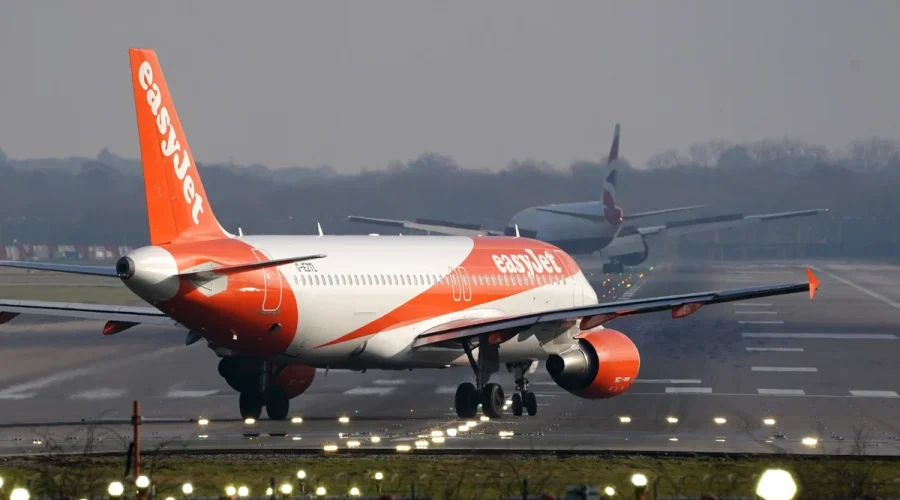
Traveloasisspot.com – The budget carrier’s reinstatement into Britain’s premier stock index lasted barely a trading session before the company confirmed it would soon vanish from public markets altogether. EasyJet was promoted back into the FTSE 100 following the quarterly index review announced after Wednesday’s close, yet the listing is effectively a formality: the airline has agreed to be acquired by Apollo Global Management in a transaction valued at approximately £5.7 billion, which will strip its shares from the London Stock Exchange and place the business under private ownership.
The episode underscores how index membership can become a fleeting technicality when a takeover is already in motion. EasyJet had been relegated to the FTSE 250 just six months earlier after its share price eroded on the back of expanding balance-sheet losses. The subsequent turnaround in investor sentiment was driven almost entirely by the prospect of a sale, not by any operational recovery.
The Apollo Bid and the Castlelake Withdrawal
Two investment firms entered a competitive process to acquire the airline. Castlelake, a London-based private equity vehicle, initially engaged in negotiations before withdrawing last month once Apollo tabled a superior proposal. Apollo’s final offer prices the transaction at 715p per share, valuing the fully diluted share capital at roughly £5.7 billion.
Since the start of the calendar year, EasyJet shares have climbed by approximately 30 percent, reflecting market anticipation of the deal’s completion. The transaction still requires sign-off from shareholders, competition and aviation regulators, and a court order. Completion is projected for the first quarter of 2027, meaning the airline will trade publicly for perhaps another twelve to eighteen months before its final delisting.
“The company, which has flitted in and out of the premier index during its history, will at least be ending on a high,” said Richard Hunter, head of markets at Interactive Investor, describing the promotion as a “last hurrah.”
Hunter’s framing captures the broader irony: an index that is meant to track the largest, most liquid UK-listed companies is, in this instance, certifying a firm that will soon cease to be listed at all. For passive index funds tracking the FTSE 100, the inclusion will be a matter of weeks before they are forced to sell the position at delisting.
Ithaca Energy Earns a Spot in the Top Tier
Alongside EasyJet, North Sea oil and gas producer Ithaca Energy was elevated into the FTSE 100. The company, a subsidiary of Israel’s Delek Group, operates exploration and production assets in the North Sea basin. Its shares have surged by roughly 64 percent year to date, propelled by a growth pipeline that includes a 20 percent working interest in the Rosebank field. Regulatory approval for first oil at Rosebank is anticipated in the first half of 2027.
Analysts have also pointed to improved production guidance and a dividend yield of 9.7 percent as factors underpinning the stock’s rally. For index-tracking portfolios, the inclusion of Ithaca Energy represents a shift toward energy-sector exposure within the top-100 basket.
Persimmon and Entain Fall Out of the Index
Two long-standing constituents were demoted to the FTSE 250 in the same review. Housebuilder Persimmon saw its shares decline by approximately 16 percent over the year, weighed down by deteriorating conditions in the UK housing market. Mortgage rates spiked in the spring following the escalation of conflict in the Middle East, squeezing buyer affordability and pressuring completion volumes. The company has publicly acknowledged the challenging trading environment.
Gambling group Entain, parent of Ladbrokes and Coral, slipped out of the top tier after its share price weakened by around 30 percent since January. The demotion came despite the group beating first-half revenue and profit expectations. Management flagged that new UK gambling taxation measures, estimated at roughly £250 million in annual cost, will materially compress margins in the coming period.
What the Reshuffle Signals
Quarterly FTSE index reviews are mechanical: they rank constituents by free-float market capitalisation and turnover, then promote or demote firms to keep the basket aligned with its mandate. The September 2026 cycle, confirmed after Wednesday’s close, produced a net swap of two promotions and two demotions. Yet the EasyJet episode highlights a growing tension in index design. When a takeover is agreed but not yet completed, the target retains its public listing and its market-cap weight, meaning it can technically qualify for inclusion even though its days as a listed entity are numbered.
For active managers, the brief window between promotion and delisting creates a narrow arbitrage opportunity: buying into the FTSE 100 fund flow before passive buyers are compelled to accumulate the position, then exiting ahead of the eventual sale. For retail investors watching the index composition, the episode is a reminder that index membership is a snapshot of size and liquidity, not a stamp of operational health or long-term viability.
The broader market context matters. With North Sea energy names gaining index weight while consumer-facing and housing-linked stocks lose it, the September review tilts the FTSE 100’s sector mix toward commodities and away from domestic discretionary spending. That tilt will shape passive fund flows into the coming quarter and may amplify volatility in the demoted names as index-linked selling pressure hits their thinner order books.
Related Reading
Frequently Asked Questions
What is EasyJet returns to FTSE 100 ahead?
EasyJet returns to FTSE 100 ahead is the main topic of this guide. The article explains the context, practical details, and next steps readers should understand.
Why does EasyJet returns to FTSE 100 ahead matter?
EasyJet returns to FTSE 100 ahead matters because readers are looking for a useful answer, not just a short summary. Good content should match search intent and help them decide what to do next.