Water Utility Questions Long-Term Viability Amid Financing Shortfall
South East Water raises doubts over – The water utility serving communities across the south east of England has issued a stark warning regarding its financial future. South East Water raises doubts over its ability to sustain operations without securing additional funding, following a substantial £55 million financial blow caused by widespread service disruptions throughout the winter months. This announcement has sent ripples through the region, as residents and investors alike question the company’s trajectory.
As the primary water provider for approximately 2.3 million residents in the region, the company confirmed it is actively engaged in negotiations with banking institutions to establish a renewed loan arrangement. While management stated that current cash reserves are sufficient to sustain operations through July 2027, they cautioned that this buffer would not last indefinitely. The urgency of securing fresh capital has become increasingly apparent as operational challenges continue to mount.
Going Concern Uncertainties
In its comprehensive annual report, the utility provided clear guidance regarding its financial trajectory. The company explained that once the current going concern period concludes, obtaining fresh loan facilities will become essential for continued business operations. This admission highlights the precarious position the organization finds itself in, balancing immediate operational needs against longer-term financial sustainability.
“Shortly after the going concern period it will be necessary to secure new loan facilities in order to continue as a going concern.”
The report further highlighted that even under severe but realistic adverse scenarios, additional financing would likely be required before the financial year ends. This revelation has introduced considerable uncertainty regarding the company’s capacity to maintain its service delivery amid mounting financial pressures. Stakeholders are now closely monitoring developments as the situation evolves.
Operational Challenges Take Toll
Management described the preceding financial year as particularly demanding both operationally and financially. A combination of factors contributed to the company’s struggles, including the intense summer drought of 2025 alongside two significant network failures that occurred in December 2025 and January 2026 respectively. These compounding events created a perfect storm of operational difficulties.
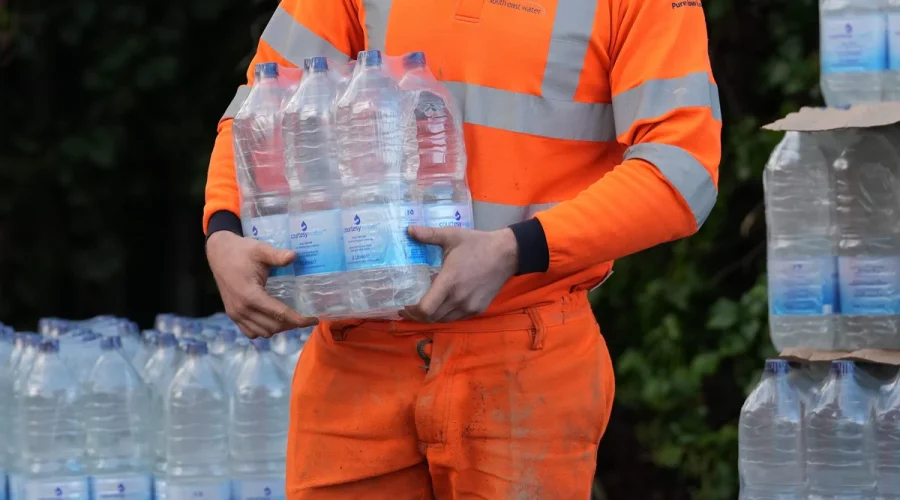
These operational difficulties generated considerable additional expenditure. The company reported that incident-related costs reached £54.7 million, covering customer compensation payments as well as expenses associated with providing bottled water and deploying tankering services to affected areas. Such costs have significantly impacted the organization’s financial position and underscored the need for immediate action.
The disruptions primarily impacted communities in Tunbridge Wells, Kent, and Sussex during the winter period. More than 77,000 households experienced various forms of supply disruption, ranging from complete water outages to reduced pressure and intermittent service availability. These problems stemmed from pipe leaks and bursts across the distribution network, compounded by severe storms that triggered widespread power failures.
Impact on Communities and Customers
The consequences of these service failures extended beyond mere inconvenience. According to the water industry regulator Ofwat, several schools were forced to close temporarily, while numerous customers had to arrange alternative childcare or cancel work commitments. Additionally, some individuals faced particular difficulties managing medical conditions that required reliable water access. The human impact of these disruptions cannot be understated.
In response to these challenges, shareholders have committed to contributing £30.5 million toward a redress package that was previously agreed upon with Ofwat. This substantial investment will be directed toward upgrading infrastructure within the most heavily affected localities. The commitment demonstrates a willingness to address past failures while positioning the organization for future stability.
Looking Ahead
Despite these concerns, the company remains optimistic about reaching a resolution. Discussions with financial institutions regarding new funding to support the organization’s extensive infrastructure investment programme are reportedly in their advanced stages. Management expects these negotiations to be finalized during the summer months, which would provide crucial clarity for both the business and its customers.
The situation underscores the broader challenges facing water utilities in the region, as aging infrastructure and extreme weather events continue to place pressure on service delivery and financial stability. Customers and stakeholders alike will be watching closely to see how these financing discussions unfold and what measures might be implemented to prevent future disruptions. The coming months will be critical in determining whether the organization can secure the resources needed for long-term success.