Iran’s Attacks on Gulf Energy Facilities Send Shockwaves Through Financial Markets
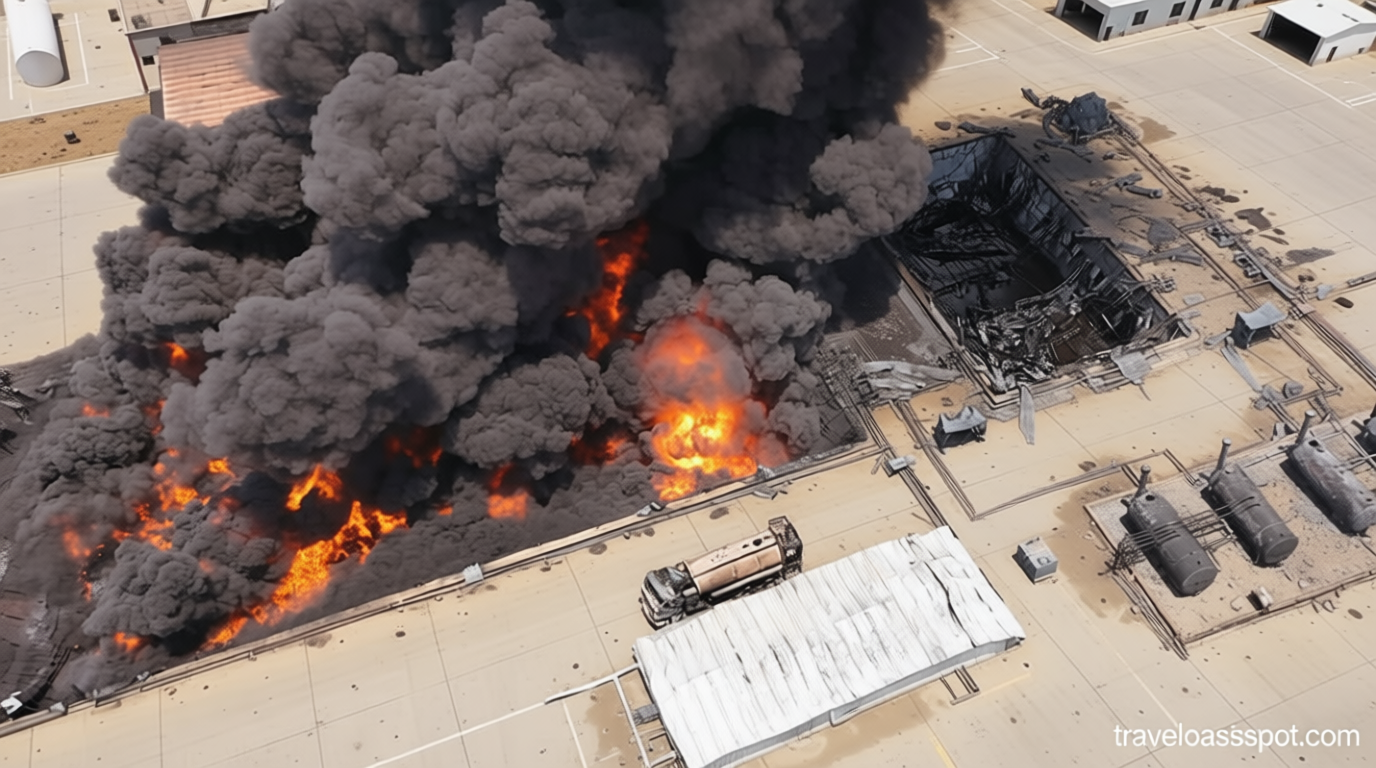
One week after hostilities spread across the Middle East, Iran’s ongoing strikes on critical energy infrastructure in the Gulf have unsettled global markets and amplified worries about an economic downturn. The country had previously issued warnings about its readiness to retaliate against U.S.-led military actions, vowing to disrupt regional stability. Now, as the conflict intensifies, Tehran’s coordinated assaults on oil platforms, refineries, and liquefied natural gas (LNG) plants have escalated tensions.
The latest wave of Iranian attacks targeted Azerbaijan, expanding the scope of operations into the Caucasus. Despite Tehran’s insistence that its actions are aimed at U.S. and Israeli interests, the strikes also hit key energy assets in the Gulf, which supply major global economies. The disruption of the Strait of Hormuz, a vital chokepoint for 20% of the world’s oil, further complicated matters. Over 200 vessels were reportedly stranded, according to Lloyd’s List, as Iranian drones and missiles struck critical shipping lanes.
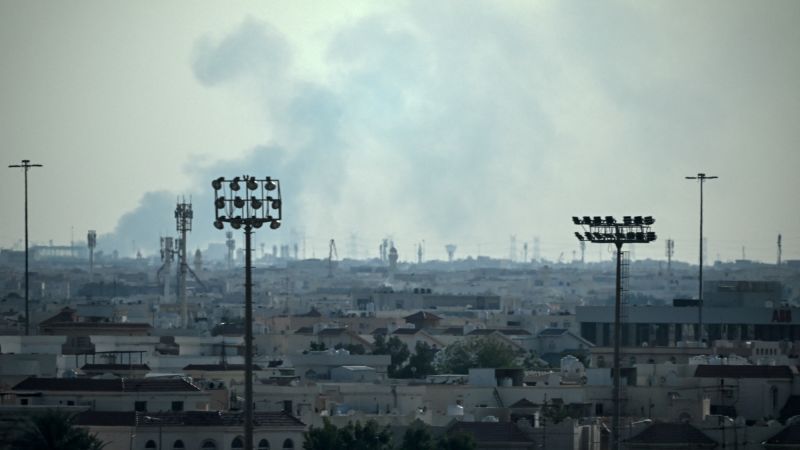
Qatar, a major player in the LNG market, halted production at its largest facility after Iranian drones targeted operational zones in Mesaieed and Ras Laffan Industrial City. This move sent ripples through energy trade, contributing to rising prices. Qatar’s output accounts for about 20% of global LNG supply, influencing demand in Asia and Europe. Meanwhile, Saudi Arabia’s largest oil refinery faced shutdowns, and Iraqi oil output as well as Israeli gas fields were also impacted. Dubai’s ports, among the world’s busiest, suffered damage too.
On Friday, the UK Foreign Office noted that while Iran’s attacks have slowed in frequency, the focus has shifted toward economic and energy-related targets. In a Financial Times interview, Qatar’s Energy Minister Saad al-Kaabi warned that the war “could bring down the economies of the world.” He predicted that prolonged conflict would harm GDP growth globally, leading to higher energy costs, shortages, and a domino effect on manufacturing.
“If this war continues for a few weeks, GDP growth around the world will be impacted. Everybody’s energy price is going to go higher. There will be shortages of some products and there will be a chain reaction of factories that cannot supply,” al-Kaabi stated.
Dr. Yousef Alshammari, president of the London College of Energy Economics, emphasized that a prolonged blockade of the Strait of Hormuz could trigger a global recession. “As we move toward the summer, the risks of a global downturn may grow,” he said. “China, the largest consumer of Iranian oil, could apply political pressure, especially if energy prices surge by over 50% in Europe.”
“And that is due mainly to the fact that we are in a period of low demand, and secondly, due to the fact that the global oil markets continue to be well supplied,” Alshammari added.
Former U.S. ambassador to Azerbaijan, Matthew Bryza, questioned the strategic rationale behind Iran’s attacks on Azerbaijan. He noted the strikes on Turkey and Cyprus were also puzzling, suggesting they didn’t align with a rational military strategy. “Why would Iran strike Nakhchivan, a region with minimal strategic value, when it clearly wants to avoid drawing Azerbaijan into the war?” Bryza asked.
“President Aliyev sent a plane and said, no, we’re not going to take any money for it. And then hours later, Iran attacked Azerbaijan. So, it makes no sense,” Bryza explained.
Bryza argued that Tehran might be aiming to destabilize energy supply chains and raise prices to pressure U.S. President Donald Trump. Continued disruptions, he said, could harm Republican prospects in upcoming elections. The attacks, he concluded, seem more about sowing economic uncertainty than achieving a clear military objective.