The Big Problem with Trump’s Plans to Open the Strait of Hormuz
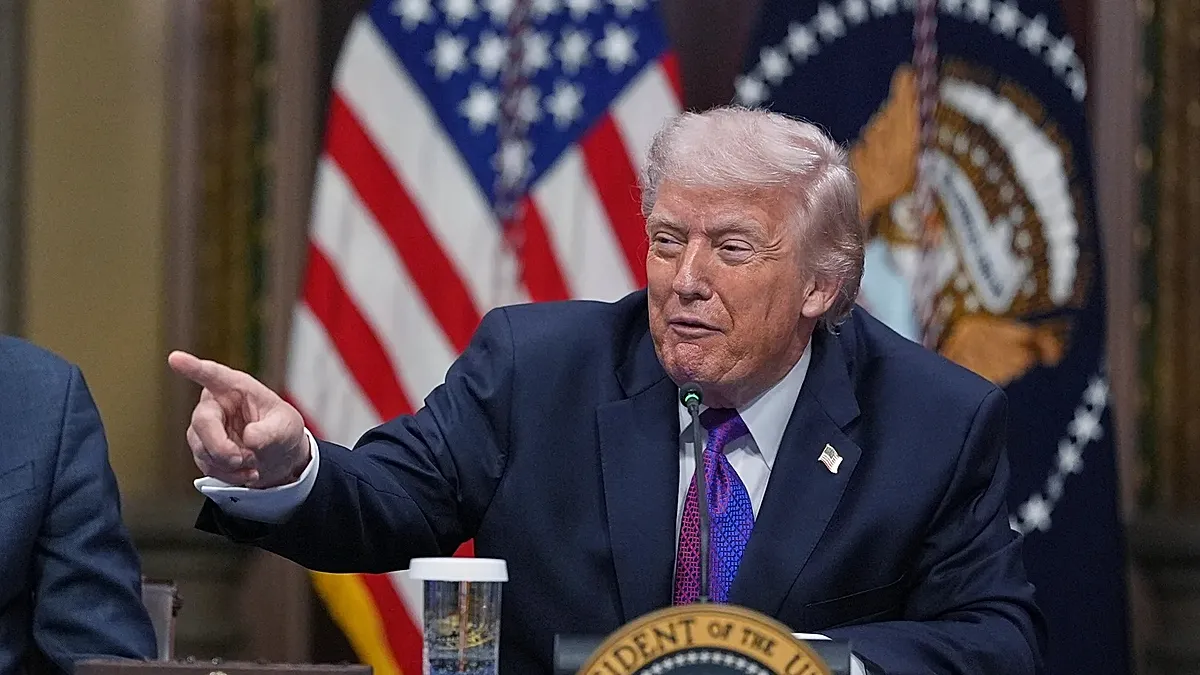
Commercial shipping operators remain hesitant to navigate the Strait of Hormuz despite President Donald Trump’s assurances of government-backed insurance and naval protection. Martín Izaguirre Salgado, a seafarer who has worked on oil tankers since 2021, recalls the fear of a missile strike in the Red Sea two years ago. Four projectiles exploded near his vessel, sending fragments of shrapnel across the deck. “I keep some of those pieces at home,” Salgado shared with CNN while aboard a tanker in the Persian Gulf. For many in the industry, Trump’s words offer little solace against the ongoing threat of Iranian attacks.
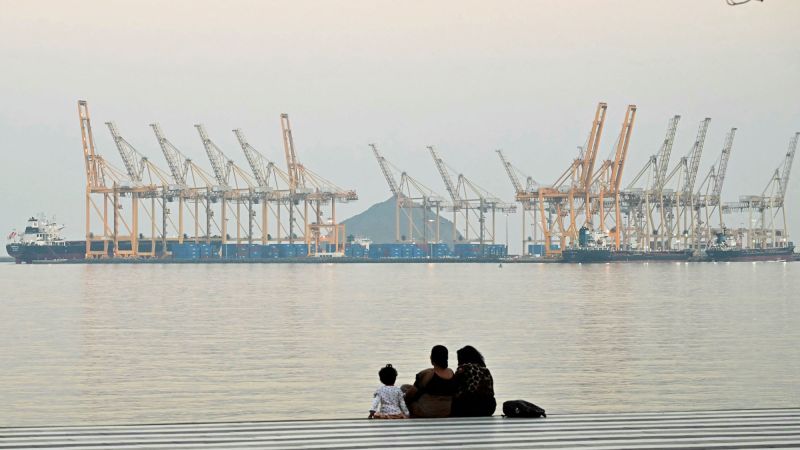
Since hostilities escalated over the weekend, major shipping lines such as Maersk and Hapag-Lloyd have paused operations to the Persian Gulf. The strait, a critical artery for 20% of global oil, saw no commercial vessels transit on Wednesday. The Gulf now teems with anchored ships, including Salgado’s, unable to proceed. This pause has sent oil prices surging above $80, reaching their highest level since August 2024. The disruption threatens to ripple through the global supply chain, increasing costs for businesses and consumers.
“As long as they keep firing rockets or drones at merchant vessels, the sense of danger will stay,” Salgado said. His experience underscores the industry’s reluctance to take risks in a volatile region. Gene Seroka, a veteran in maritime logistics, expressed doubt about Trump’s proposals. “I have no proof those promises can be fulfilled,” Seroka remarked, citing years of experience in the Middle East. “It’s hard to imagine moving ships into open waters with such uncertainty.”
According to a senior US official, the military is prioritizing measures to limit Iran’s ability to disrupt shipping. “Physical security is the main challenge right now,” the official noted. While the navy is working to establish conditions for an operation, no specific timeline has been set for deploying escorts. The administration remains confident the conflict is temporary, though the spike in energy prices has raised concerns among industry leaders.
“The key point is that this conflict is expected to be short-lived,” the official added. “The world won’t face an oil shortage, but we’re dealing with a brief price fluctuation.”
Sanne Manders, president of Flexport, emphasized that safety remains the top priority for shipping companies. “Crews and vessels are both at risk,” she stated. Even with insurance, operators are wary of exposing their expensive assets to danger. “These companies want to ensure their ships are secure,” Manders explained. “They’re not going to gamble with hundreds of millions of dollars for a single commercial deal.”
Despite Trump’s public optimism, the shipping sector’s wariness suggests a deeper unease. The administration’s recent actions indicate a growing awareness of the strait’s strategic importance, yet the fear of Iranian attacks continues to dominate the narrative. With no immediate relief in sight, the industry awaits a ceasefire to restore confidence in the region’s waters.