Table of Contents
ToggleIran War: The Role of Russia in Tehran’s Crisis
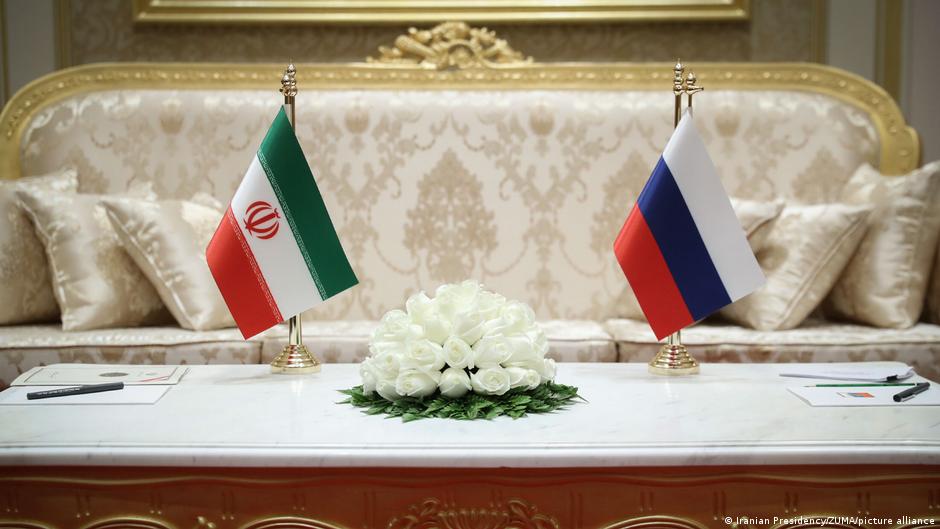
Amid escalating US-Israeli strikes, the Iranian regime—facing dwindling global backing—has pinned hopes on Moscow’s solidarity. Yet, the absence of significant Russian intervention has left Tehran frustrated. Just days into the conflict, Russia’s UN envoy, Vassily Nebenzia, labeled the attacks as an “unprovoked act of armed aggression against a sovereign and independent UN member state.” Despite this diplomatic stance, Moscow’s concrete support has been limited, raising questions about its strategic priorities.
Strategic Partnerships Under Pressure
Russia and Iran share a long-standing alliance, tied together by shared interests in countering Western influence. However, the lack of active military backing has puzzled analysts. Nikita Smagin, an Azerbaijan-based expert, notes that their collaboration includes vital economic ventures. “The North-South transport corridor is a key example,” he explains. “Russia lost access to its traditional transit routes after invading Ukraine in February 2022, making the corridor a critical lifeline.”
Launched in 2000, this 7,200-kilometer multi-mode network passes through Azerbaijan and connects Russia to the Indian Ocean. The Gulf Research Center in Saudi Arabia reports 75% of the project is complete. Yet, despite these ties, Russia has not mobilized to shield Iran from the current assault. “The two nations aren’t defensive allies,” says Julian Waller, a CNA analyst. “Their partnership is pragmatic, not ideological.”
Drone Support and Intelligence Sharing
Russia has historically relied on Iranian military assets, such as Shahed drones, since 2023. These unmanned systems have transformed the Ukraine war, according to Waller. “Iran’s drones were instrumental in Russia’s campaign, even as production now shifts to domestic models,” he adds. Moscow’s collaboration with Tehran extends beyond weaponry; it includes intelligence exchanges and missile supplies.
Smagin highlights that Russia’s alliance with Iran is driven by mutual hardship. “Both face international sanctions,” he says. “Unlike Turkey or Egypt, which might halt trade with Russia if pressured, Iran remains a dependable partner.” Gregoire Roos, Chatham House’s Europe and Russia director, argues that Iran has even served as Moscow’s mentor in navigating sanctions. “Tehran’s experience in evading economic restrictions has guided Russia’s strategies,” Roos explains.
Expectations and Calculations
Despite this, experts suggest Iran’s expectations were misplaced. Mojtaba Hashemi, a political analyst, notes that Tehran anticipated “tangible political and military support” from Moscow. “This meant expanded cooperation, intelligence sharing, and a strong deterrent message,” he says. “But Russia and China have more pressing concerns, offering only symbolic aid.”
Mohammad Ghaedi, a George Washington University lecturer, adds that Russian support was never guaranteed. “Tehran has long been skeptical of Moscow’s loyalty,” he says, citing former President Mahmoud Ahmadinejad’s claim that “Russia has always sold out the Iranian nation.” President Masoud Pezeshkian echoed this sentiment after the 12-day war in June 2025, stating that “countries we considered friends did not help us during the conflict.”
Some analysts see potential benefits for Russia in a prolonged Iranian crisis. “A war in the Middle East could divert attention from Ukraine,” says Roos. “It would weaken Zelenskyy’s global standing and force Washington to manage multiple fronts.” This suggests Russia’s inaction may be a calculated move to maximize its geopolitical leverage.