The Historical Significance of the SS Citrine
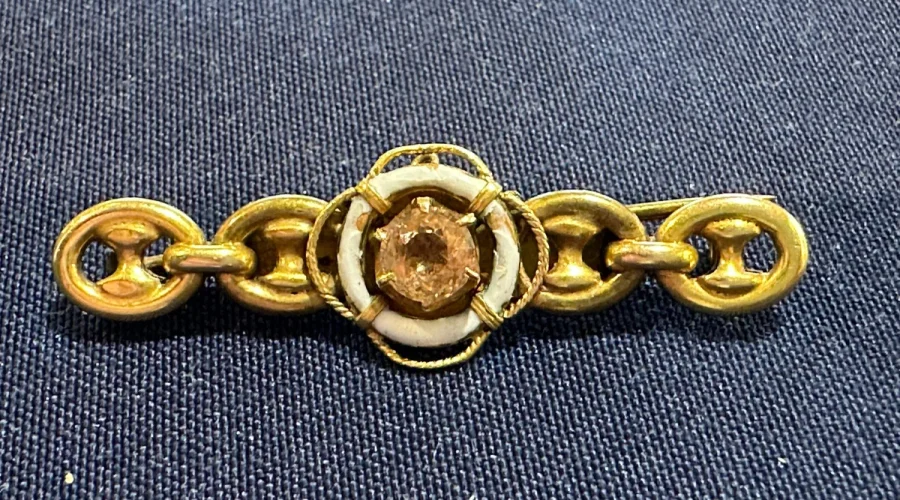
Brooch given to first passenger to board – The brooch given to the first passenger to board a doomed steamship has resurfaced at an antiques roadshow, offering a rare glimpse into the maritime heritage of Scotland. This ornate piece, once presented to Elizabeth Anderson on April 21, 1894, the date of the maiden voyage of the SS Citrine, serves as a tangible link to a ship that would later become infamous for its tragic sinking. The brooch, with its intricate design, not only marks the beginning of the Citrine’s journey but also symbolizes the connection between the vessel and its first passenger, making it a unique artifact of the era.
The Brooch’s Journey Through Time
Created by Dundee shipbuilders W B Thompson & Co, the SS Citrine was part of the Glasgow-based “Gem line,” a series of vessels named after gemstones or minerals. The brooch, made of gold and adorned with a citrine stone, reflects the ship’s name and the craftsmanship of its creators. It was presented to Elizabeth Anderson by William Robertson, the founder of the shipping firm, who had started his business in 1852 with a single barge before expanding it into one of Britain’s largest coastal bulk shipping fleets. This gesture highlights the personal ties and recognition the ship’s owners had for their passengers.
The brooch’s design, shaped like a ship’s rope and featuring a life ring at its center, was carefully crafted to commemorate the ship’s launch. Its inscriptions, including the date of the maiden voyage and the name of the recipient, add historical depth and personal significance. The Citrine’s sinking on March 17, 1931, after striking rocks at Bradda Head, Port Erin, on the Isle of Man, marked the end of its journey. The disaster claimed the lives of nine out of its eleven crew members, leaving a lasting impact on the region’s maritime history.
Although William Robertson had passed away twelve years prior to the Citrine’s sinking, his sons, William Francis Robertson and James Robertson, continued to manage the business. This family legacy is preserved in the brooch, which has remained in the family since its creation over a century ago. The item’s discovery at a WeBuyVintage roadshow in Fleetwood, Lancashire, was explained by the man who brought it in, who traced its lineage back to his late wife’s uncle. This connection underscores the brooch’s role as a family heirloom and a historical artifact.
The brooch’s expected sale price of £100 might seem modest, but experts argue that its true value lies in its historical context. WeBuyVintage specialist Matt Case emphasized that while the monetary worth is low, the brooch represents a rare and poignant survivor of Scotland’s maritime past. It encapsulates the story of the SS Citrine, its launch, and the tragedy that followed, making it a significant piece in the nation’s seafaring narrative. The brooch’s design, blending Dundee craftsmanship with Glasgow’s commercial ambition, highlights the era’s industrial pride and the human stories behind these vessels.
As the brooch makes its way back into the public eye, it serves as a reminder of the challenges and triumphs of early 20th-century maritime travel. The SS Citrine’s journey from a newly launched vessel to a ship lost in a stormy sea illustrates the unpredictability of the sea and the enduring legacy of those who sailed it. The brooch, with its detailed craftsmanship and historical significance, not only honors Elizabeth Anderson but also preserves the memory of the Citrine’s brief and eventful life.
Its rediscovery at a roadshow has sparked interest among historians and collectors alike. The brooch’s presence in the family for over 130 years adds to its sentimental value, connecting generations through a shared piece of history. As it prepares for sale, the brooch continues to tell the story of a ship, its first passenger, and the tragic events that would define its legacy. This artifact is more than a decorative item; it is a testament to the resilience and ingenuity of Scotland’s maritime heritage, offering a tangible link to the past for those who appreciate historical treasures.