Extreme Heat Warning Under Review as Temperatures Nearing 36C Loom Over Britain
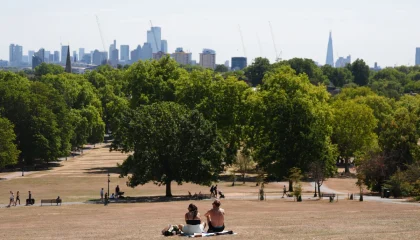
Traveloasisspot.com – Britain faces the prospect of one of its most severe heat episodes this week, with meteorologists forecasting temperatures could climb to 36 degrees Celsius or beyond. The Met Office is currently evaluating whether to deploy rare amber or red extreme heat warnings as the nation endures an extraordinary stretch of dry, sweltering conditions.
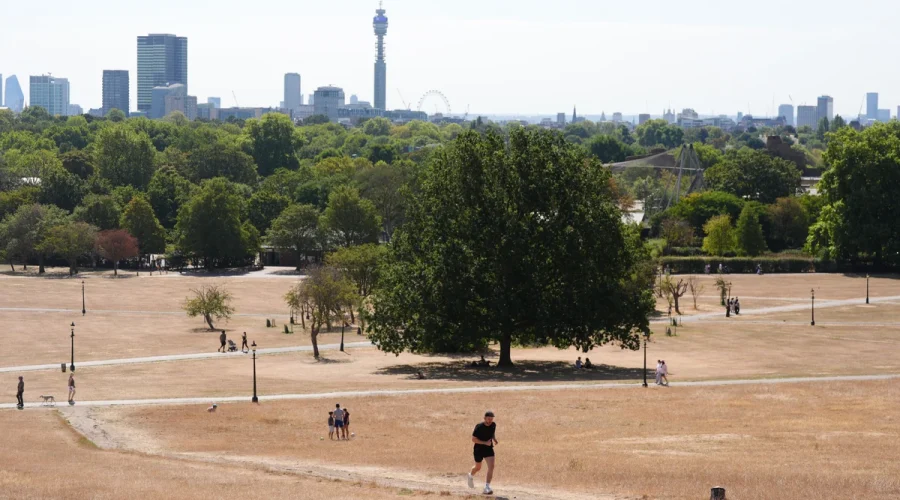
This potential warning comes as parts of the United Kingdom experience their fifth heatwave of the current summer season. The extended period of intense warmth has created unusual challenges for infrastructure and public health across the country.
Temperature Trajectory Through the Week
Monday is expected to bring a slight respite from the peak heat, with temperatures beginning to climb once again by Tuesday. The real intensity arrives mid-week, with widespread conditions reaching the mid-30s across England and Wales on both Wednesday and Thursday.
We’ll probably see highs reaching the mid-30s quite widely on Wednesday, and indeed on Thursday too for England and Wales.
Specific regions are positioned to experience the most extreme conditions. The Midlands, extending somewhat further south along the M4 corridor and west of London toward the Midlands region, represents the area with the highest probability of hitting 36 degrees Celsius in isolated locations.
On Wednesday, probably the Midlands, maybe a little bit further south, the M4 corridor, west of London, up towards the Midlands, is where we might have a small chance of reaching 36C in one or two spots.
Thursday currently appears to be the strongest candidate for the week’s hottest day, with 36 degrees Celsius representing a fairly reasonable local probability. There remains a possibility that temperatures could exceed this threshold in certain areas.
But Thursday at this stage looks the most likely hottest day of the week. So 36C is a fairly reasonable probability locally on Thursday and there’s a small chance it could get even higher than that.
Drought Conditions and Infrastructure Strain
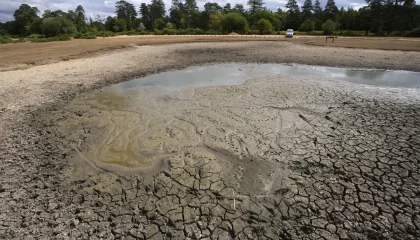
Water scarcity has become a pressing concern, with half of England and the entirety of Wales now classified under drought conditions. Additional regions may receive drought declarations when officials convene at the National Drought Group meeting on Monday.
The prolonged heat presents multiple challenges for critical infrastructure. Railway lines face potential disruptions from track buckling, while power networks must manage increased demand from air conditioning and cooling systems. Vulnerable populations, particularly the elderly and those with pre-existing health conditions, face heightened risks during this period.
If it wasn’t for this incredible summer that we’re currently seeing, then we’d be talking about these temperatures as being really, very unusual. But of course, we’ve had such an exceptional summer, people have become a bit used to it. There is a potential for impacts, so impacts to infrastructure, things like railway lines and power networks, impacts to vulnerable people as well.
Health Alerts and Public Safety Measures
Health authorities have issued warnings regarding the potential effects on vulnerable populations during the upcoming hot weather. Significant impacts are anticipated in health and social care settings, with a possible increase in heat-related mortality.
Yellow heat health alerts have been activated across multiple regions including the East Midlands, West Midlands, South East, South West, East of England, Yorkshire and the Humber, and London. These alerts remain in effect until 9pm on Tuesday, though extension is likely as the warm conditions persist.
Water usage restrictions have been imposed on more than 25 million people according to the Environment Agency. Millions of residents fall under hosepipe bans, encompassing all customers of South East Water and Thames Water utilities.
Breaking Records and European Context
Sunday marked the 34th day of 2026 when temperatures exceeded 30 degrees Celsius somewhere in the United Kingdom, matching the record established in 1995. This achievement sets the stage for another potential record to fall during the current week.
The extreme weather patterns of summer 2026 have already produced two record-breaking heatwaves in May and June, resulting in more than 2,800 excess deaths across the region. Two additional heatwaves in July have contributed to the driest July conditions recorded in England and Wales since systematic observations began in 1836, while also fueling widespread wildfires.
On a broader scale, the European Union’s Copernicus earth observation programme reported that average temperatures across western Europe reached 21.61 degrees Celsius (70.92 degrees Fahrenheit) for the June-July period, surpassing the previous record set in 2022. Globally, the current year ranks as the third hottest on record, positioned just behind 2024 and 2025.
We sometimes issue extreme heat warnings, amber and red warnings, which we did back in June, so that’s under consideration at the moment.
As the Met Office continues its assessment of whether to issue extreme heat warnings, residents across affected regions are advised to remain vigilant and take appropriate precautions against the intensifying heat.
Related Reading
Frequently Asked Questions
What is Met Office considers issuing rare extreme?
Met Office considers issuing rare extreme is the main topic of this guide. The article explains the context, practical details, and next steps readers should understand.
Why does Met Office considers issuing rare extreme matter?
Met Office considers issuing rare extreme matters because readers are looking for a useful answer, not just a short summary. Good content should match search intent and help them decide what to do next.