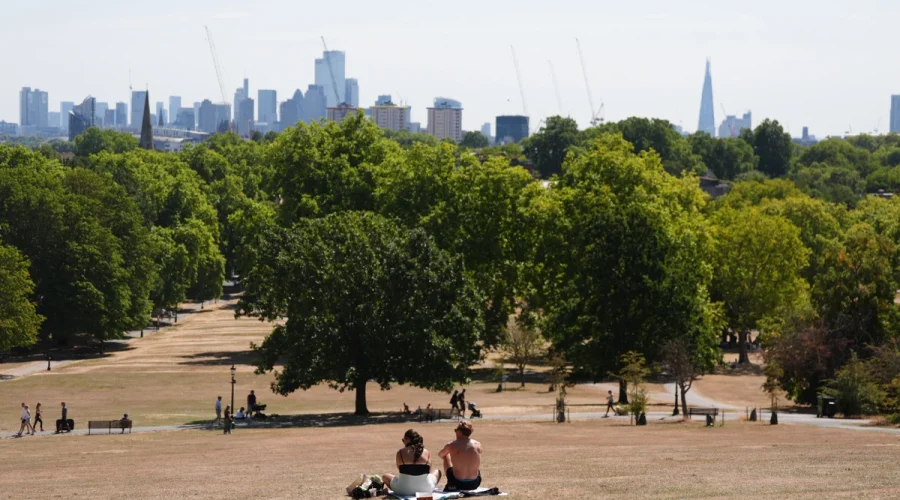
Extreme Weather Patterns Sweep Across Britain as Heatwave Meets Deluge
Traveloasisspot.com – Britain’s weather systems are displaying dramatic contrasts this week, with scorching temperatures gripping the south-east while Scotland experiences a sudden downpour. The United Kingdom is bracing for what meteorologists describe as a fifth consecutive heatwave, even as northern regions contend with unprecedented rainfall volumes.
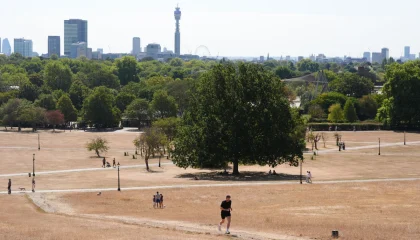
In the south-east of England, mercury has climbed past the 30-degree Celsius threshold, marking another chapter in what has been an unusually warm summer season. Meanwhile, north-west Scotland has absorbed more than half of its typical monthly precipitation within a mere forty-eight-hour window, creating a stark juxtaposition between the two nations.
Record-Breaking Temperatures in Kent
The village of Frittenden in Kent emerged as one of the hottest locations on Sunday, registering 30.6 degrees Celsius. Forecasters anticipate that additional areas will soon match or exceed this milestone, with some locations potentially reaching 32 degrees Celsius by evening.
We’ve seen Frittenden in Kent reach 30.6C. We still expect temperatures to peak maybe 32C or just above this afternoon.
Tom Morgan, a meteorologist providing analysis for the Press Association, noted that the current warm spell shows no signs of immediate cessation. The pattern suggests that Monday may bring marginally cooler conditions, but the heatwave trajectory is expected to resume by next week.
Looking ahead to Thursday, meteorological models indicate that parts of East Anglia and the south-east could experience temperatures soaring to 36 degrees Celsius. Such readings would place these regions among the warmest locations in Europe during this period.
Fires and Resource Strain
The combination of elevated temperatures and dry conditions has created challenging circumstances for emergency services. The Nottinghamshire Fire and Rescue Service declared a major incident on Sunday after two significant woodland fires simultaneously demanded attention from local crews.
These fires have placed considerable pressure on available resources, highlighting how extended dry periods can compound firefighting challenges. The situation underscores the importance of proactive resource management during heatwave conditions.
Health Considerations in Hot Weather
Medical authorities have issued guidance regarding medication use during periods of elevated temperatures. Health officials warn that certain commonly prescribed drugs can interfere with the body’s natural cooling mechanisms and hydration processes.
Proton pump inhibitors (PPIs), commonly used to treat acid reflux and heartburn, have also been linked to a very low risk of a lupus-like skin reaction triggered by sun exposure, and common painkillers such as ibuprofen and naproxen may also increase sun sensitivity.
Dr Alison Cave, serving as chief safety officer at the Medicines and Healthcare products Regulatory Agency, emphasized that these medications can complicate the body’s ability to regulate temperature and respond to sun exposure effectively.
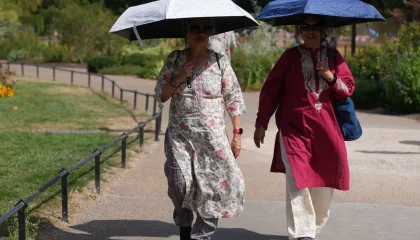
The UK Health Security Agency has deployed yellow heat health alerts across multiple regions, including the East Midlands, West Midlands, South East, South West, East of England, Yorkshire and the Humber, and London. These alerts remain active until 9pm on Tuesday, though extension is likely if warm conditions persist.
Scotland’s Rainfall Surge
While southern and eastern regions grapple with drought conditions, north-west Scotland has experienced a dramatic reversal. The Met Office reported that more than 100 millimeters of rain fell across Friday and Saturday in the affected areas.
They’ve seen over 100mm of rain on Friday and Saturday, so the rain isn’t far away and there is a little bit of rain in northern England and Northern Ireland today too.
This deluge provides welcome relief to Scottish water reserves while potentially offering some precipitation to northern England and Northern Ireland in the coming days.
Summer 2026: A Season of Extremes
The current weather patterns build upon a summer that has already produced remarkable achievements. Two record-breaking heatwaves struck during May and June, contributing to more than 2,800 excess deaths across the United Kingdom.
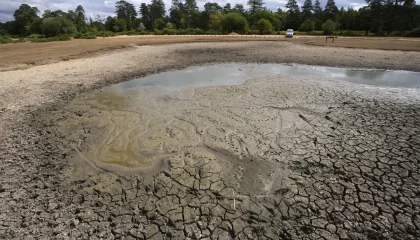
Additionally, two further heatwaves occurred in July, coinciding with what meteorologists describe as the driest July in England and Wales since systematic records began in 1836. These conditions have fueled widespread drought and numerous wildfires across the region.
Nineteen English counties recorded virtually no rainfall—1 millimeter or less—throughout the entire month. This has resulted in half of England and all of Wales being classified as experiencing drought conditions.
The juxtaposition of extreme heat in the south-east with heavy rainfall in Scotland illustrates the complex and sometimes contradictory nature of Britain’s weather systems. As the week progresses, residents across the country will need to adapt to both the challenges of heat and the potential for sudden precipitation changes.
Related Reading
Frequently Asked Questions
What is Temperatures rise above 30C while Scotland?
Temperatures rise above 30C while Scotland is the main topic of this guide. The article explains the context, practical details, and next steps readers should understand.
Why does Temperatures rise above 30C while Scotland matter?
Temperatures rise above 30C while Scotland matters because readers are looking for a useful answer, not just a short summary. Good content should match search intent and help them decide what to do next.