Roger Deakins Reveals Persistent Stage Fright Despite Decades of Cinematic Success
A Lifetime of Achievement Hasn’t Eliminated the Nerves
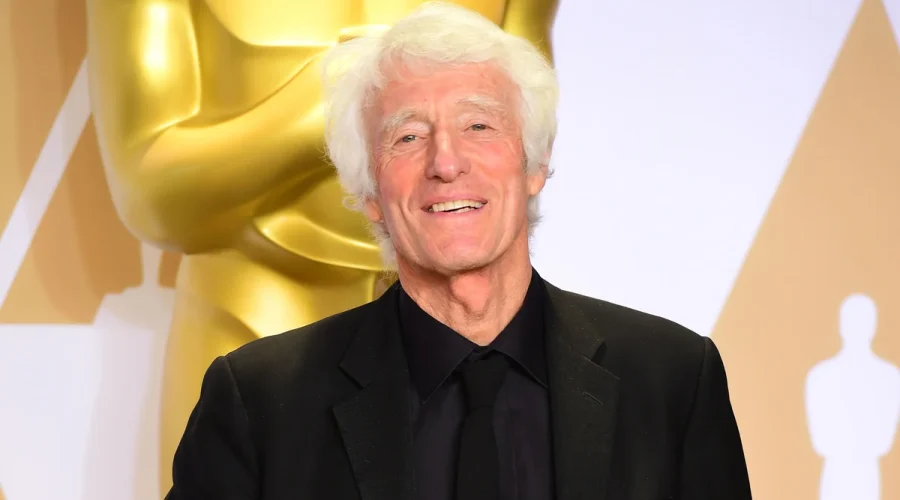
Traveloasisspot.com – Even after nearly half a century in the film industry, Sir Roger Deakins continues to experience anxiety when arriving at unfamiliar shooting locations. The distinguished English cinematographer, whose visual storytelling has shaped countless memorable movies, recently opened up about these lingering feelings during a candid interview on BBC Radio 4’s Desert Island Discs program.
His extensive filmography includes landmark titles such as The Shawshank Redemption, Fargo, A Beautiful Mind, and 1917. These achievements have earned him two Academy Awards and five BAFTA honors throughout his remarkable career. Yet despite this impressive collection of accolades, Deakins acknowledges that every new production brings fresh challenges and uncertainty.
Confronting Fear Through the Camera Lens
When host Lauren Laverne questioned him about his continued apprehension, Deakins explained that unfamiliar faces and environments create genuine discomfort. He shared his perspective on how this nervousness actually serves a purpose in his work.
It’s new people and a new situation and until I get comfortable, I find it very difficult.
He further elaborated on the relationship between pressure and artistic excellence, suggesting that comfort might actually hinder creative growth. The cinematographer emphasized his desire to create work that feels authentically connected to his own identity and vision.
On the other hand though – if you didn’t feel that stress and pressure, I don’t think you would be trying to do your best.
That is what it is about. I want to do something that I feel like is part of me.
Deakins described finding particular confidence when positioned behind his camera, noting how the viewfinder creates a protective barrier between himself and the outside world. This physical distance through the lens provides a sense of security that helps him focus on his craft.
I’ve always felt most confident when I’ve had my eye to the eyepiece of a camera. You are escaping reality in a way through the lens. There’s a certain distance I suppose.
Working Methods Create Creative Tensions
One aspect of Deakins’ approach that occasionally generates friction with fellow filmmakers is his preference for operating cameras personally rather than delegating this task. This hands-on philosophy has led to disagreements with several prominent directors, including Sir Ridley Scott.
I’ve had conversations with some directors and then in the end we’ve gone… ‘it’s not going to work, is it?’.
He recalled specific instances with Scott, noting differences in their technical preferences. While Deakins favored certain techniques, Scott was operating at the time using zoom lenses—equipment choices that Deakins admitted he doesn’t particularly favor.
He was somebody I spoke to a couple of times… he was operating at the time and shooting on zoom lenses… a lot of the things I don’t really like.
Personal Losses Shaped His Perspective
Beyond professional challenges, Deakins also reflected on deeply personal experiences that influenced his life. He spoke movingly about losing his mother to multiple sclerosis when he was just nine years old. Though memories from that period are somewhat fragmented, he recalls watching her progress through different stages of illness and remembering a poignant moment when his father had to carry her back to their car in a special carrier during a beach visit.
He characterized her prolonged illness and eventual passing as traumatic, noting that she spent her final years confined to bed. Deakins admitted he struggled to process this loss appropriately, revealing that he was not permitted to attend her funeral—a restriction that added to his grief.
Shortly after his father remarried, Deakins observed that his new stepmother remained in their home for approximately one week before departing. This experience prompted him to immerse himself in his work as a form of coping mechanism.
A Legacy of Visual Excellence
Recognized as a master of light, Deakins has maintained long-term collaborations with visionary directors including the Coen brothers, Sam Mendes, Michael Radford, and Denis Villeneuve. His portfolio extends beyond the previously mentioned films to encompass O Brother, Where Art Thou?, No Country For Old Men, True Grit, Skyfall, Sicario, and Blade Runner 2049.
The industry has formally recognized his contributions through honors including a CBE awarded in 2013 for services to film, followed by knighthood in the 2021 New Year Honours. His full Desert Island Discs interview became available on BBC Sounds and BBC Radio 4 beginning Sunday at 10am, offering listeners a comprehensive glimpse into the mind of one of cinema’s most celebrated visual artists.
Related Reading
Frequently Asked Questions
What is Oscar winning filmmaker Roger Deakins admits?
Oscar winning filmmaker Roger Deakins admits is the main topic of this guide. The article explains the context, practical details, and next steps readers should understand.
Why does Oscar winning filmmaker Roger Deakins admits matter?
Oscar winning filmmaker Roger Deakins admits matters because readers are looking for a useful answer, not just a short summary. Good content should match search intent and help them decide what to do next.