
The United States Has Much to Gain by Examining South Korea’s Approach to Longevity
Big lessons the US can learn – As part of the CNN Original Series “Kara Swisher Wants to Live Forever,” the journalist delves into the global race to extend life and the strategies that nations like South Korea have employed to boost lifespan. The fifth episode, set to air Saturday at 9 p.m. ET, offers insights into how a country with one of the world’s most rapidly rising life expectancies has achieved its success. For those seeking a longer, healthier life, South Korea presents a compelling model, particularly when it comes to the habits and systems that contribute to this outcome.
A Nation of Longer Lives
South Korea’s remarkable progress in public health has positioned it as a leader in extending human lifespan. According to the World Health Organization, the country’s life expectancy surged by 7.94 years between 2000 and 2021, a trend that contrasts sharply with the United States’ decline. In the 1980s, the U.S. ranked roughly average among developed nations in terms of life expectancy, but over the decades, it has slipped to the bottom of the list. While many countries have made strides in improving health outcomes, the gap between South Korea and the U.S. has widened, raising questions about the effectiveness of different approaches to longevity.
Healthy Eating Starts in the Classroom
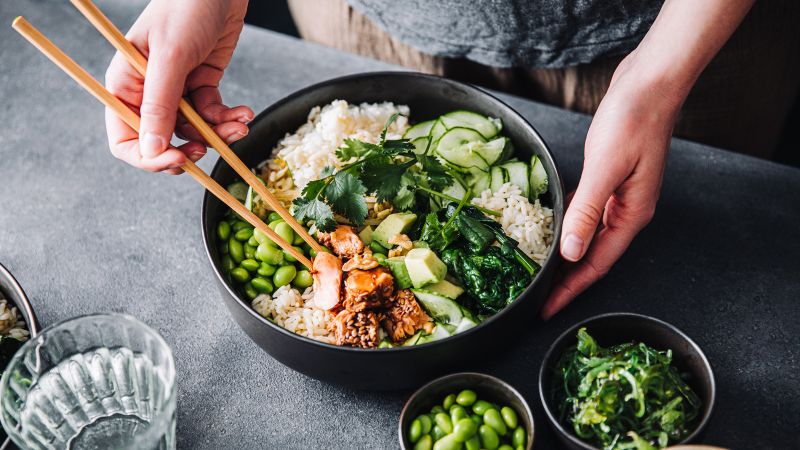
During her visit to a South Korean school, Kara Swisher noted a striking difference in the meals served to students. Lunchtime meals featured a variety of nutrient-rich dishes, including lettuce wraps, radish-chive salads, and seasonal fruits—foods that were unfamiliar to her own children. This phenomenon is not accidental. South Korean schools incorporate a structured lunch program designed by nutritionists, such as Yeonju Kim, who tailors meals to meet specific dietary goals. The initiative ensures that children receive balanced nutrition while also introducing them to culturally significant foods, fostering long-term healthy eating habits.
“Throughout their time in school, Korean children are provided a free lunch that’s both nutritious and educational,” Yeonju Kim explained. “It’s not just about feeding them; it’s about teaching them to value diverse, wholesome foods.”
Interestingly, this system complements the efforts of families. Three out of five South Korean households are home to short-order cooks who cater to the picky eating preferences of their children. However, the school meal program offers a consistent, well-rounded alternative, reducing reliance on processed snacks and fast food. In the U.S., where only 40% of children consume a vegetable daily, such structured meals could play a critical role in reversing dietary trends.
From Childhood to Adulthood: The Diet Quality Divide
The issue of diet quality persists beyond childhood. A 2025 study revealed that nearly half of American adults follow a poor-quality diet, as measured by the American Heart Association’s primary diet score. This score emphasizes the importance of whole grains, lean proteins, healthy fats, and minimal processing—a framework that aligns with the principles of diets like the MIND and Mediterranean eating patterns, both linked to reduced risks of cognitive decline and increased longevity.
While the U.S. struggles with dietary consistency, South Korea’s approach seems more effective. The Korean government’s emphasis on food education in schools cultivates a culture where nutrition is prioritized from an early age. This early exposure may help explain why the country’s population maintains better overall health, even as adults age. The CDC’s 2023 report, which found that 47% of children aged 1 to 5 consume no daily vegetables, highlights the urgency of implementing similar programs in the U.S.
The Role of Activity and Social Connection
South Korea’s “SuperAgers”—older adults who retain cognitive abilities typically seen in younger individuals—have become a focal point for researchers studying longevity. Dr. Geon-Ha Kim, a neuroscientist at Ewha Womans University Medical Center, identified three key lifestyle factors: regular physical activity, frequent social interaction, and engagement in mentally stimulating activities. These elements are not only observed in the elderly but are also integrated into daily life for younger generations.
“Being with friends and laughing all day creates a sense of well-being that makes illness seem less likely,” said Park Mak-rye, a 79-year-old social media influencer known as ‘Korea Grandma.’
Park’s online presence showcases her dedication to healthy living, with content focused on nutritious cooking, skincare routines, and exercise regimens. Her lifestyle reflects the broader South Korean emphasis on holistic wellness, where physical and social health are equally valued. In contrast, the U.S. often overlooks the importance of sustained activity and social engagement, contributing to higher rates of sedentary lifestyles and loneliness.
Research underscores the significance of these habits. A 2023 study found that individuals who experience social isolation face a 32% increased risk of early death, while regular exercise has been associated with up to a 40% reduction in mortality. Engaging in arts and culture, another South Korean practice, has also shown potential to slow aging, according to a recent study. These findings suggest that the U.S. could benefit from adopting more comprehensive strategies that blend physical activity with social and cultural enrichment.
Healthcare Systems and the Prevention Paradox
One of the most striking differences between the U.S. and South Korea lies in their healthcare systems. Hieun Shin, a journalist with Agence France-Presse, highlighted how the focus on prevention versus treatment shapes health outcomes. In the U.S., physicians are incentivized to address diseases through procedures that generate substantial reimbursements, such as heart bypass surgeries. Conversely, preventive care—like regular check-ups or lifestyle counseling—often receives minimal financial support.
“No one wants to pay for prevention,” remarked Dr. Karen Studer, chair of the department of preventive medicine at Loma Linda University School of Medicine. “Physicians are paid for treating illness, not for keeping it at bay.”
In South Korea, healthcare professionals are regularly consulted for minor ailments, from colds to back pain, reflecting a proactive approach to health. This culture of frequent check-ups and early intervention is supported by a system that encourages preventive care, reducing the burden of chronic diseases. By prioritizing prevention, South Korea has managed to lower healthcare costs and improve long-term outcomes, a model that the U.S. could emulate to foster a healthier population.
While the U.S. continues to grapple with lifestyle challenges, South Korea’s success offers a blueprint for improvement. From early education on nutrition to a healthcare system that rewards proactive care, the country’s strategies highlight the importance of consistent, community-driven efforts. As Kara Swisher’s series illustrates, the path to longevity is not just about individual choices but also about systemic support and cultural habits that promote well-being across the lifespan. By adopting these lessons, the U.S. could take meaningful steps toward closing the longevity gap and ensuring a healthier future for its citizens.





