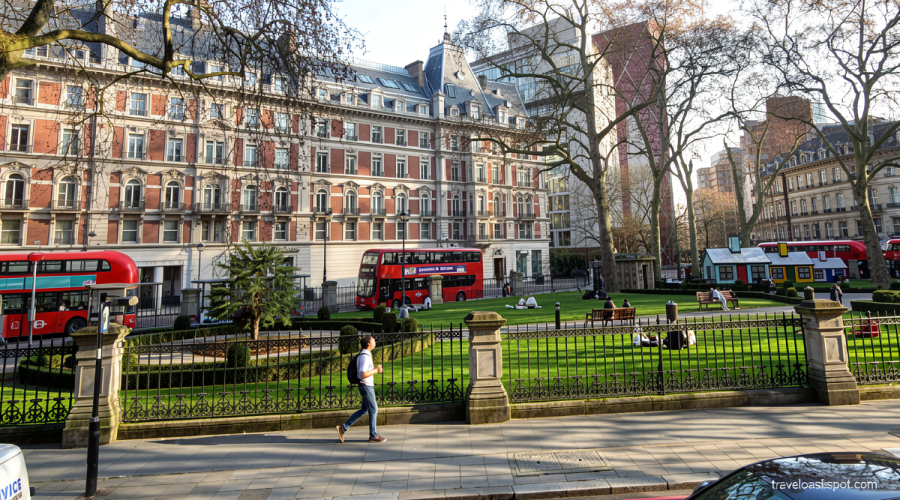
Grosvenor Gardens Becomes Flashpoint for London’s Rough Sleeping Crisis
Traveloasisspot.com – A vibrant public space in the heart of Westminster has transformed into a gathering place for hundreds of homeless individuals, creating mounting tensions between residents, business owners, and local authorities. The square, situated just beyond a mile from the iconic 10 Downing Street, now hosts dozens of rough sleepers who have become increasingly vocal in their complaints about the changing character of their neighbourhood.
Grosvenor Gardens, positioned near the bustling Victoria station transport hub, has emerged as a magnet for London’s homeless population. Shopkeepers and commercial property owners report a dramatic increase in incidents ranging from petty theft to more serious criminal activity. Drug use has become particularly visible, with many observers noting that substance abuse often accompanies the theft of goods from local establishments.
Political Promises Meet Reality on Westminster Streets
The growing crisis in Grosvenor Gardens arrives at a politically significant moment. Just days ago, newly appointed Prime Minister Andy Burnham made ending rough sleeping his inaugural policy commitment, signalling a government-wide approach to the issue. Local authorities now face pressure to demonstrate tangible progress in line with these ambitious pledges.
The square’s prominence is amplified by its proximity to The Goring Hotel, an establishment of considerable distinction. Granted a Royal Warrant by Queen Elizabeth II in 2013 for hospitality services, The Goring holds the unique distinction of being the only hotel ever to receive this honour. Today, the hotel’s elegant entrance stands mere yards from rows of homeless individuals wrapped in blankets or sheltering in tents, with personal belongings frequently piled atop nearby bus shelters.
Business Owners Bear the Brunt
Local commerce has suffered disproportionately from the changing dynamics. Bally Singh, proprietor of Charles of Belgravia off-licence, recounted a particularly alarming incident involving two homeless individuals who smashed through his front door and made off with alcohol and cigarettes valued at more than £1,000.
“This was the first robbery I’ve had in my shop in over 100 years of ownership. They were very foolish thieves as they put their stolen goods into a rubbish bag from the council, which is red in colour… It’s terrible. I had to replace the door and the lock on my shutters as they broke the motor.”
Singh estimates that frequent theft incidents are costing his business between £30 and £40 weekly. Despite raising concerns with Westminster City Council through detailed correspondence and noting the presence of patrolling guards, the problem persists.
Other hospitality businesses have reported similar difficulties. Varundi, a receptionist at a nearby hotel, described being unable to accommodate a guest for an entire week after a homeless man urinated inside a booked room and stole the bed linens. Daily incidents of rough sleepers entering commercial premises and attempting to steal food have become routine.
Official Response and Future Directions
Cllr Caroline Sargent, Deputy Leader and Cabinet Member for Enforcement at Westminster City Council, acknowledged the frustration felt by both residents and businesses. She emphasized that the council allocates £8 million annually toward supporting those sleeping rough, funding everything from hostel accommodation to addiction treatment programmes.
“Local people and businesses are fed up with rough sleeping sites springing up, and so are we. This is totally unacceptable in the heart of a capital city. As a Council we do all we can to help people sleeping rough off the streets and spend £8m a year on support ranging from hostels to addiction treatment.”
Sargent noted that while many individuals successfully transition away from street life, certain locations attract people involved in anti-social behaviour and criminal activity. She called for coordinated action involving immigration authorities, police forces, and businesses to address the problem comprehensively.
Chief Inspector Rav Pathania, the Metropolitan Police’s lead for business crime, highlighted technological advances in crime reporting. New systems enable officers to receive CCTV footage and evidence directly from retailers at the moment incidents occur, strengthening prosecution cases and improving conviction rates for shoplifters.
With more than ten individuals confirmed to be sleeping in Grosvenor Gardens each night, the situation represents a microcosm of London’s broader housing and homelessness challenges. As political promises translate into practical solutions, the square stands as a test case for whether coordinated intervention can restore order to one of the capital’s most central public spaces.
Related Reading
Frequently Asked Questions
What is Central London square overrun by aggressive?
Central London square overrun by aggressive is the main topic of this guide. The article explains the context, practical details, and next steps readers should understand.
Why does Central London square overrun by aggressive matter?
Central London square overrun by aggressive matters because readers are looking for a useful answer, not just a short summary. Good content should match search intent and help them decide what to do next.