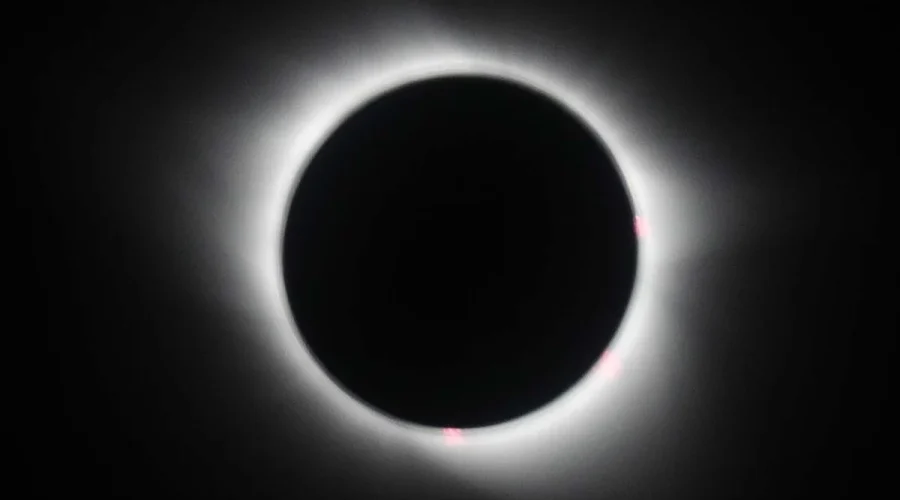
Londoners Prepare for Rare Solar Eclipse on August 12, 2026
Traveloasisspot.com – Residents across the capital and wider United Kingdom are gearing up for a spectacular celestial event that will transform the sky on August 12, 2026. This partial solar eclipse promises to be the most comprehensive such occurrence witnessed in Britain for more than twenty-five years, drawing attention from astronomy enthusiasts and casual observers alike.
The astronomical phenomenon occurs when the moon positions itself directly between our planet and the sun, casting a shadow that obscures much of the sun’s brilliant light. Astronomers estimate that approximately ninety percent of the sun’s disk will be concealed by the moon during this particular eclipse, creating a dramatic and visually striking scene for anyone fortunate enough to witness it.
When and Where to Watch
For London residents, the celestial show begins at 6:17pm on August 12. The eclipse reaches its maximum coverage at 7:13pm, with the entire event lasting approximately one hour and forty-nine minutes before concluding at 8:06pm. Those living in Bristol and Cardiff will experience nearly identical timing to their London counterparts.
Viewers further north will notice slight variations in the schedule. People in Manchester and Liverpool can expect the eclipse to commence at 6:13pm, while Scottish observers will see the phenomenon begin closer to 6:08pm. These minor differences stem from the curvature of the Earth and the moon’s shadow moving across the landscape.
While the UK experiences a partial eclipse, some European nations are positioned to witness something even more extraordinary. Greenland and Iceland are among the locations where a total solar eclipse will occur, meaning the sun will be completely obscured for a brief period.
Understanding the Risks
Despite the beauty of a partial solar eclipse, these events actually present greater dangers to unprotected eyes than total eclipses. During a total eclipse, the sun becomes entirely covered, allowing safe viewing for short periods without special equipment. However, in a partial eclipse, the sun remains partially visible, and looking directly at it without proper protection can cause serious and permanent eye damage.
Even when the moon appears to be blocking a significant portion of the sun, harmful ultraviolet and infrared radiation continues to reach our eyes. The human eye is particularly vulnerable because the reduced brightness can trick us into thinking it is safe to look upward, when in fact damage is occurring.
“The glasses you use must comply with the ISO 12312-2 international safety standard. Glasses that have reached this safety standard will have the ISO standard printed on them, and they will have a manufacturer’s report showing their compliance based on rigorous testing. They must also be free of any perforations or folds in the silvered lenses, as any damage to them risks making them unsafe to use,” Dr Greg Brown, astronomer at the Royal Observatory Greenwich, explains.
Choosing the Right Eye Protection
Not all eyewear provides adequate protection during an eclipse. Ordinary sunglasses, despite their dark appearance, offer insufficient shielding. In fact, they can be more dangerous than wearing no protection at all, as they reduce the brightness enough to make viewing comfortable while still allowing harmful radiation to pass through.
Proper solar eclipse glasses incorporate a specialized silver filter capable of blocking all but one part in one hundred thousand of the sun’s light. Some premium models transmit even less radiation. These glasses also specifically reduce ultraviolet radiation to safe levels, ensuring that the sun’s light becomes safe for direct observation.
For those seeking certified options, Absolute Eclipse glasses are available for £22.95 through Amazon.co.uk. Alternatively, a pack of five Lust solar eclipse glasses can be purchased for £14.99, offering a more economical choice for families or groups planning to watch together.
Alternative Viewing Methods
For individuals who prefer not to wear special glasses, several alternative viewing methods exist. The Royal Observatory Greenwich is organizing a free livestream of the eclipse, allowing people to watch safely from the comfort of their homes. Additionally, many local astronomical societies across the UK are planning special viewing events on August 12.
DIY enthusiasts can construct their own pinhole projector using simple materials. This device projects an image of the sun onto a surface, allowing safe indirect viewing. Smartphone applications such as Eclipse Horizon Checker can help observers locate the clearest possible viewing conditions based on their specific location and weather forecasts.
Best Viewing Locations in London
When selecting a viewing spot in the capital, elevation matters significantly. High vantage points provide unobstructed views of the sky and minimize the risk of buildings or trees blocking the sun. Primrose Hill and Greenwich Park stand out as particularly excellent locations for eclipse viewing, offering both height and open space.
With the next comparable eclipse not expected until 2090, this August event represents a unique opportunity for Londoners and Britons to witness one of nature’s most spectacular displays. By following proper safety guidelines and choosing an optimal viewing location, residents can ensure they make the most of this rare celestial occasion.
Related Reading
Frequently Asked Questions
What is Solar eclipse 2026?
Solar eclipse 2026 is the main topic of this guide. The article explains the context, practical details, and next steps readers should understand.
Why does Solar eclipse 2026 matter?
Solar eclipse 2026 matters because readers are looking for a useful answer, not just a short summary. Good content should match search intent and help them decide what to do next.