TfL Executives Face Backlash Over Bonuses Amid Rising Fare Evasion Crisis
Traveloasisspot.com – London’s transport network is grappling with a growing financial challenge as criticism mounts over how officials are being compensated while fare dodging reaches alarming levels. Festus Akinbusoye, a Westminster City Councillor and former Police and Crime Commissioner, has launched a pointed campaign against what he describes as a culture of rewarding failure within City Hall’s transport administration.
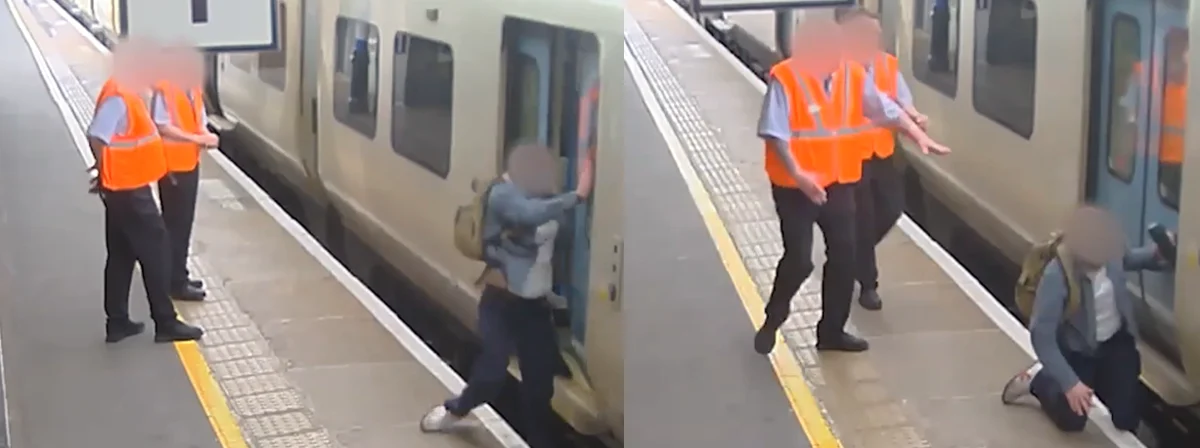
The controversy centers on Transport for London’s bonus structure, which continues to provide substantial financial rewards to senior staff even as the organization struggles to contain passengers who avoid paying for travel. According to recent figures, the annual financial impact of fare evasion across London’s transport system has reached an estimated £190 million, encompassing a wide range of behaviors from deliberately smashing through tube barriers to simply refusing to tap in on buses.
Executive Compensation Under Scrutiny
A TfL report published in July shed light on the scale of executive rewards, revealing that 2,048 employees received compensation exceeding £100,000 once bonuses and overtime payments were factored in. At the top of this hierarchy sits Commissioner Andy Lord, who received a total of £635,533 during the reporting period.
“You have to blame the people who are in charge – it’s an absolute indictment of the fact that someone has actually lost control when you consider that fares have increased by 5.5 per cent in the last year,” Akinbusoye stated.
The councillor argued that taxpayers are effectively subsidizing the choices of those who deliberately avoid paying for travel, while City Hall officials receive financial rewards despite failing to address the problem. He called for a fundamental shift in how incentives are structured within the organization.
The Scale of the Problem
The financial losses are particularly significant when considering that approximately £165 million has been lost to fare evasion across the Tube and Elizabeth Line combined. Akinbusoye pointed out that this sum could potentially fund the recruitment of around 2,000 enforcement and revenue inspection officers, dramatically expanding the network’s ability to catch fare dodgers.
“There is no way that the Commissioner for TfL should be getting any bonus whatsoever at all at a time where fare evasion is rising,” he emphasized.
Neil Garratt, a Conservative Assembly Member, released analysis last month showing that successful prosecutions for fare evasion have more than halved since 2020, declining from 29,113 cases to just 14,406. Despite this dramatic drop in enforcement outcomes, the number of enforcement officers on the network remains unchanged at 500, the same level as in 2010.
Comparative Context and Public Sentiment
Analysis by the Centre for Government Reform indicates that fare evasion on London’s Underground and Elizabeth Line has nearly matched the additional revenue generated from price increases implemented in March. Akinbusoye highlighted this imbalance, noting that while evasion has doubled in the past year, enforcement has been cut in half.
“Clearly, something is not right here when you consider the fact that about £165 million, according to some of the data we’ve seen recently, is what has been lost through fare evasion, and £168 million is what has been received through fare increases effectively,” he explained.
Current estimates suggest that 3.5 per cent of the 3.6 billion annual passenger journeys across the TfL network go unpaid, representing approximately 126 million free journeys each year or 2.4 million weekly. TfL has since revised this figure downward to 3.3 per cent. The organization has set an ambitious long-term target to reduce system-wide fare evasion to 1.5 per cent or less by the 2030/31 financial year.
While the Mayor has publicly praised the network’s progress and noted that evasion rates in other major global cities such as New York and Paris are higher, Akinbusoye questioned whether Londoners truly care about international comparisons. He pointed out that residents are currently facing a cost-of-living crisis and have already seen their fares increase.
“And quite frankly, I just want to make sure that here in London, the Mayor of London does not increase fares anymore until his office finds a way to reduce the level of fare evasion, because we are literally subsidising criminal activity on our network,” he concluded.
Last year, City Hall Conservatives introduced a comprehensive ten-point plan designed to combat fare evasion, featuring proposals such as higher physical barriers, AI-enabled ticket barriers, and expanded enforcement capabilities. As London continues to navigate economic pressures, the debate over how to balance fare increases with effective enforcement remains central to the city’s transport future.
Related Reading
Frequently Asked Questions
What is City Hall bosses are being rewarded?
City Hall bosses are being rewarded is the main topic of this guide. The article explains the context, practical details, and next steps readers should understand.
Why does City Hall bosses are being rewarded matter?
City Hall bosses are being rewarded matters because readers are looking for a useful answer, not just a short summary. Good content should match search intent and help them decide what to do next.