Government Pushback Against Westminster’s Standing Drinker Restrictions
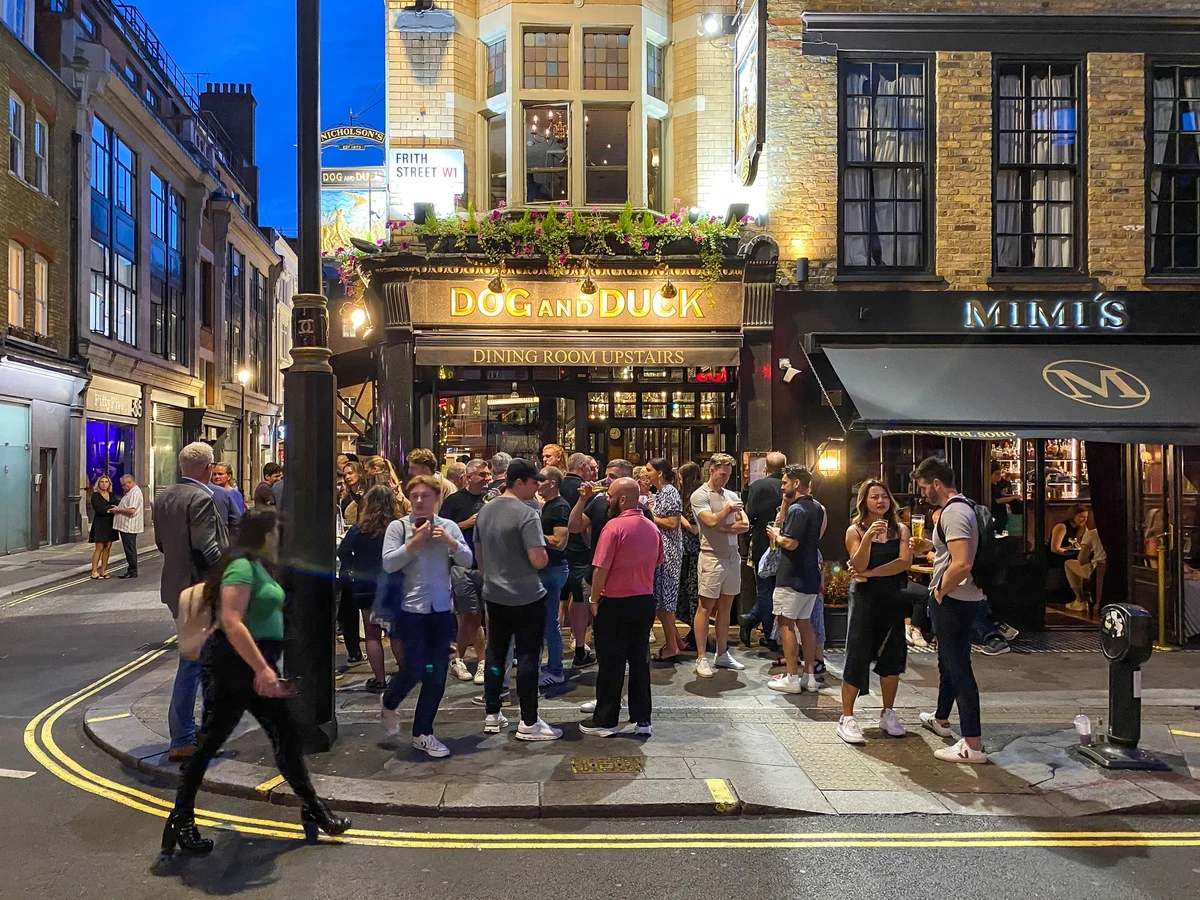
Traveloasisspot.com – A significant disagreement has emerged between central government and Westminster Council over proposed measures to limit how many patrons can stand while drinking at establishments across Soho and the wider West End. The controversy highlights tensions between local regulatory ambitions and the preservation of traditional British pub culture.
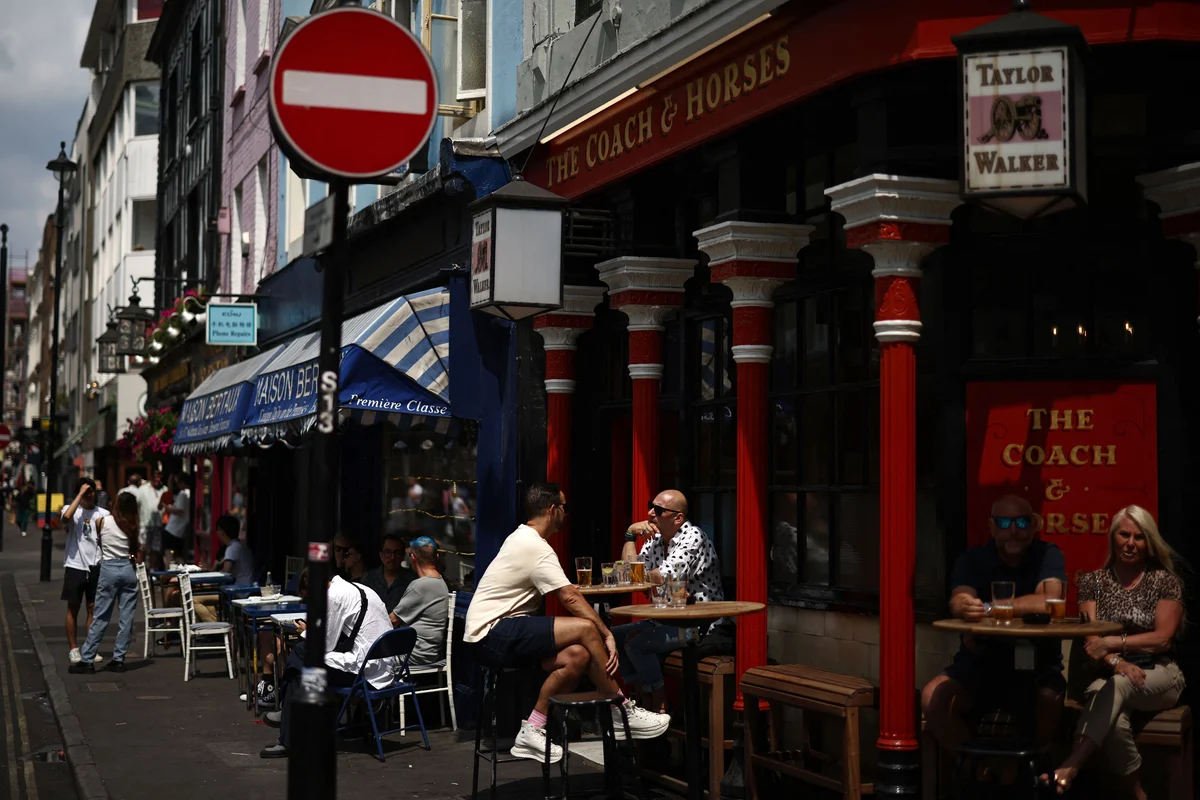
Downing Street has publicly expressed its disapproval of the council’s initiative, arguing that crowded pubs where people converse while standing represents an essential element of British social life rather than a problem requiring intervention. The government’s position emphasizes that such venues support thousands of employment positions across the hospitality sector.
The Westminster Council Proposal
Westminster Council, which governs one of Europe’s most vibrant nightlife districts, has introduced a draft licensing policy designed to encourage venues to provide more fixed seating arrangements. The authority aims to reduce what it terms “vertical drinkers”—customers who remain standing rather than sitting at tables or bar counters.
Under the proposed framework, new licensing applications would receive individual assessment, though the council indicated it would place “greater weight” on proposals demonstrating substantial reductions in actual operating capacity. The document suggests several mechanisms to achieve this goal, including enhanced dispersal measures, table service options, and restrictions on vertical drinking practices.
Despite these proposals, Paul Swaddle, the Conservative leader of Westminster City Council, has maintained that there is no intention to completely eliminate standing drinking within the borough. The council’s strategy document emphasizes that sustainable growth and broader economic benefits for operators should follow once licensing objectives are satisfied.
One of the policy’s central aims involves discouraging excessive drunkenness while simultaneously encouraging premises serving alcohol to provide more seating. The document specifically contrasts table service with open bar spaces that currently accommodate high volumes of standing patrons.
Industry and Government Response
The proposal has encountered substantial criticism from multiple quarters, including industry representatives, the Mayor of London, and numerous Soho establishments. No10 has entered the debate directly, with officials stating that busy pubs filled with conversing patrons constitute neither a public nuisance nor a problem requiring regulatory intervention.
“Busy pubs full of people talking to each other is not a public nuisance, it is British life and it is thousands of jobs.”
The government has also highlighted its commitment to devolving new licensing powers to the Mayor, positioning this as support for pubs and nightlife venues. Officials noted that Soho’s international reputation was built through practices such as late closing times and extended service hours, rather than early last orders or premature lighting changes.
Prime Minister Andy Burnham has previously positioned himself as a defender of British pubs, a stance he demonstrated during a visit to The Hare in Harlow, Essex. During that appearance, he announced a support package that would reduce business rates by twenty percent for pubs, clubs, and live music venues throughout England starting in April of the following year.
Local Perspectives and Concerns
A spokesperson for the Mayor’s office characterized Westminster’s proposal as additional proof that restrictive policies fail to deliver positive outcomes. The statement emphasized that licensing rules currently disadvantage venues during a period when they require substantial support.
“At a time when venues need our support more than ever, the rules on licensing are stacked against them.”
Sacha Lord, entrepreneur and former Greater Manchester night-time adviser to Andy Burnham, described Westminster Council as the most anti-hospitality authority in the United Kingdom. He criticized the draft policy for recommending bans on standing in pubs and discouraging bar orders, comparing the approach to restrictions implemented during the coronavirus pandemic.
Lesley Lewis, the seventy-one-year-old owner of Soho’s renowned French House pub and dining room, expressed serious concerns about the proposal’s potential impact. Having operated the establishment for thirty-seven years, Lewis warned that the policy could trigger closures, job losses, and reduced business activity.
“It will really finish us off. We rely on those people standing up with the rents and the rates put upon us.”
Lewis explained that Soho visitors prefer dynamic experiences—standing, dancing, and socializing—rather than remaining seated in fixed positions. She suggested that overly regulated venues might lose customers to more flexible areas such as Camden Town, where licensing conditions remain more accommodating.
Broader Implications
Michael Kill, chief executive of the Night Time Industries Association, defended the tradition of standing in pubs as integral to British social culture. He noted that standing allows people to meet friends, watch live sporting events, wait for service, and experience the distinctive atmosphere that characterizes British pubs.
The controversy reflects broader tensions between local authorities seeking to manage nightlife districts and businesses advocating for operational flexibility. As London continues its post-pandemic recovery, the debate over how best to support the hospitality sector while addressing concerns about disorder and capacity remains highly relevant.
The outcome of Westminster Council’s consultation process will likely influence not only Soho and the West End but potentially shape licensing approaches across other major UK cities facing similar challenges in balancing regulation with economic vitality.
Related Reading
Frequently Asked Questions
What is No10 slams plans to clamp down?
No10 slams plans to clamp down is the main topic of this guide. The article explains the context, practical details, and next steps readers should understand.
Why does No10 slams plans to clamp down matter?
No10 slams plans to clamp down matters because readers are looking for a useful answer, not just a short summary. Good content should match search intent and help them decide what to do next.