Enfield Council Sparks Debate Over Pride Flag Display Decision
A Commitment to Civic Identity
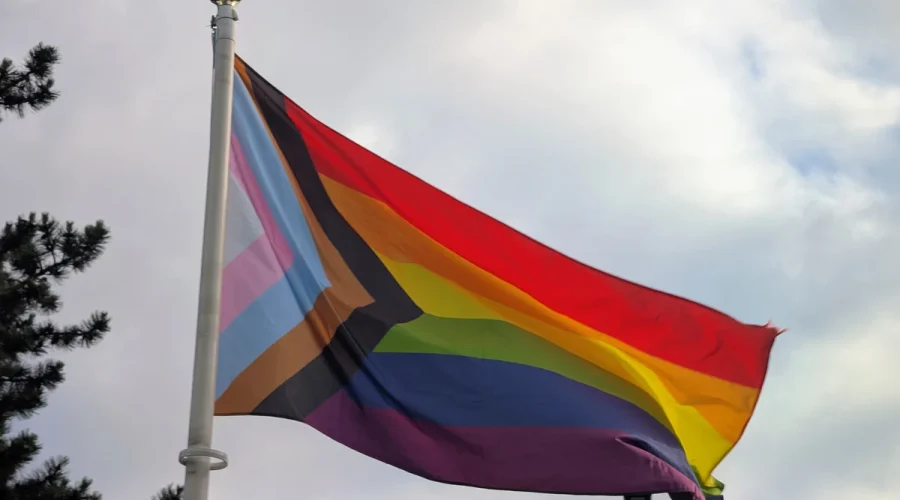
London council under fire over decision – Enfield Council’s leader has stood by their choice to refrain from displaying the Pride flag outside the civic centre this month, a decision that has drawn sharp criticism from local activists. The council’s stance has been labeled as a “disrespectful gesture” by some, highlighting a perceived disconnect between the administration’s priorities and the community’s expectations. In a statement, council leader Alessandro Georgiou emphasized that the decision aligns with the Conservative party’s election promises, which included a focus on traditional symbols to represent the borough.
The Manifesto’s Promise
Prior to the May election, the Conservative-led campaign outlined a policy to display only three flags: the Union Flag, the Flag of St George, and the Enfield Beast flag. This approach was framed as a way to “reaffirm the values of national unity and local heritage,” according to the manifesto. However, the absence of the Pride flag during Pride Month has sparked questions about whether the council’s commitment to inclusivity extends beyond symbolic gestures.
Temporary Celebrations and Permanent Symbols
Georgiou clarified that the council’s selection of flags reflects a long-term vision for civic representation. While the Pride flag was not part of the permanent display, the council is still participating in Pride-related events. This weekend, the Armed Forces Day Flag was raised as a temporary measure to honor military service, a move Georgiou described as an “occasion-specific tribute.” He argued that the permanent flags should embody the borough’s enduring identity, rather than being subject to seasonal changes.
The debate over the Pride flag’s absence has reignited discussions about the role of symbolism in public spaces. Pride Month, celebrated globally in June, serves as a platform to commemorate the LGBTQ+ community and their struggles for equality. The Stonewall riots of 1969, which catalyzed the modern gay rights movement, are central to this celebration. For many, the Pride flag is not just a visual marker but a statement of solidarity and recognition.
Contrasting Views on Representation
Under the previous Labour administration, the Pride flag was routinely flown during the month of June, aligning with broader efforts to promote diversity and inclusion. This shift under the new Conservative-led council has prompted criticism from opposition groups. A Labour spokesperson accused the decision as “a deliberate snub” of Enfield’s LGBTQ+ community, emphasizing that the party has always championed their rights.
“The Pride flag is a vital symbol for Enfield’s LGBTQ+ residents,” the Labour representative stated. “By choosing not to display it, the council is signaling a lack of commitment to their values.” This sentiment resonated with many who feel that visible representation is crucial for fostering a sense of belonging. Meanwhile, Georgiou defended the policy, asserting that the selected flags are “unifying symbols” that reflect the council’s broader mission.
Policy Consistency and Community Engagement
The council leader’s statement underscored the importance of maintaining consistent visual messaging. “Our permanent flags represent Enfield, the UK, and the individuals who uphold our freedoms,” he explained. “They are a reflection of our shared heritage and collective identity.” While the Pride flag was not included in this framework, the council has pledged to support the community through other means.
Georgiou added that the council remains “committed to celebrating diversity” and plans to host a Pride-themed festival in July. This event, titled “Chroma: A Festival of Pride,” will feature LGBTQI+ artists and will take place at the Dugdale Arts Centre. The council aims to demonstrate its dedication to inclusivity through cultural programming, even if the flag itself is not on display.
Historical Context and Community Impact
The decision has also prompted reflections on the role of public symbols in shaping community perception. The Stonewall riots, which began in 1969, are widely regarded as a pivotal moment in the fight for LGBTQ+ rights. These protests, led by marginalized groups in New York, inspired movements worldwide and are now commemorated annually. In London, the Pride flag has long been a visible marker of support for the community, with many local authorities choosing to fly it during June.
Critics argue that Enfield’s approach risks alienating residents who view the Pride flag as a necessary expression of solidarity. “The flag is more than just a decoration—it’s a statement of pride and progress,” said one community member. “Not displaying it during June feels like a missed opportunity to celebrate our achievements.” However, supporters of the council’s decision highlight the importance of balancing tradition with contemporary values.
Public Statements and Policy Rationale
The council’s position has been reinforced by their emphasis on policy consistency. In an interview with the Local Democracy Reporting Service (LDRS) before the election, Georgiou had expressed openness to flying the Pride flag, stating that the decision was “flexible.” Yet, this week’s statement suggests a more rigid interpretation of the manifesto’s promises.
“The flags outside the civic centre are chosen to reflect our borough’s values,” Georgiou reiterated. “They are not subject to the whims of a single month but represent the enduring pride of Enfield as a whole.” This perspective frames the council’s actions as a deliberate effort to avoid diluting the significance of each symbol.
Looking Ahead: A Festival of Pride
Despite the controversy, the council has not abandoned its support for the LGBTQ+ community. A July festival, “Chroma: A Festival of Pride,” is set to celebrate the diversity that defines Enfield. The event will feature performances, workshops, and exhibits highlighting LGBTQI+ voices and contributions. “Our policies and services are designed to serve every resident equally,” Georgiou said.
The festival’s organizers hope it will serve as a platform to bridge the gap between the council’s symbolic choices and the community’s aspirations. “While the Pride flag isn’t on display this month, we’re still committed to honoring the progress we’ve made,” they noted. This dual approach—of maintaining traditional symbols while embracing inclusive events—may help address concerns about representation.
Broader Implications for Local Governance
The debate over the Pride flag has also sparked discussions about the role of local governments in advancing social issues. While the council maintains that its policy is rooted in tradition, opponents argue that visible support for LGBTQ+ rights is essential in a progressive society. “Symbols matter because they shape public perception,” said a local activist. “If the council is proud of its diversity, it should reflect that in every decision.”
This tension between tradition and modernity is not unique to Enfield. Across the UK, local authorities have grappled with similar questions about how to balance heritage with inclusivity. The council’s choice may be seen as a reflection of its political priorities, but it also invites scrutiny about the extent of its commitment to LGBTQ+ representation.
A Call for Dialogue
As the conversation continues, the council has invited feedback from residents. “We value the input of our community and are open to discussion,” Georgiou said. “Our goal is to create a welcoming environment for all.” This openness may pave the way for a compromise, ensuring that the Pride flag is recognized as a key part of Enfield’s identity while honoring the council’s stated policies.
The debate underscores the evolving nature of civic pride and the challenges of representing diverse communities through public symbols. While the Pride flag’s absence this month has been a point of contention, the upcoming festival offers a chance to reaffirm the council’s support for the LGBTQ+ community in a more tangible way. As Enfield navigates this complex landscape, the outcome may influence how other local governments approach similar issues.