When is the next London heatwave? UK weather maps predict scorching five-day stretch in July
When is the next London heatwave – As the UK slowly regains its composure from the blistering temperatures of June, which set a new benchmark for heat, residents in London are beginning to anticipate the return of sweltering conditions. Weather forecasts suggest that the city could once again face a prolonged heatwave later this month, with significant implications for public health and infrastructure.
A Brief Reprieve, Then Another Threat
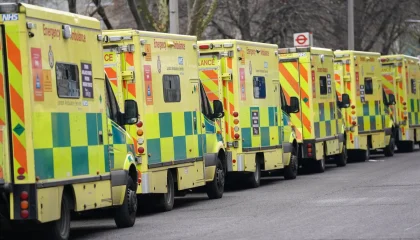
For the past week, London was the focal point of an intense heatwave, experiencing four consecutive days of temperatures reaching the mid-30°C range. This surge in extreme weather placed a considerable strain on the London Ambulance Service, which saw a spike in cases related to heat exhaustion and dehydration. While the upcoming days may offer a temporary reprieve, the National Weather Service’s predictions indicate that the summer heat is far from over.
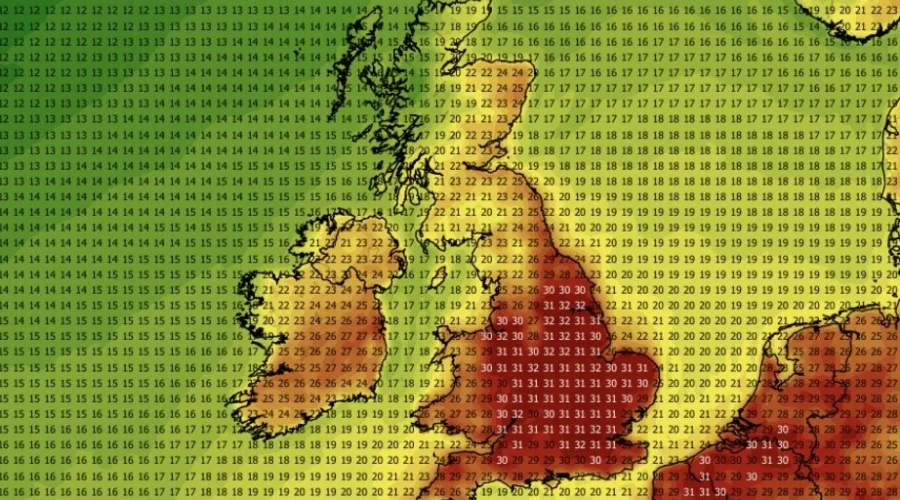
According to WXCharts—a comprehensive weather mapping platform by MetDesk—Londoners can expect another heatwave to unfold in the coming weeks. The tool’s analysis reveals that temperatures will likely rise again, with central and southern England being the most vulnerable regions. This forecast has sparked renewed discussions about the city’s readiness for consecutive bouts of high heat, especially as infrastructure and healthcare systems work to adapt.
“High pressure dominates the weather into the second week of July, especially across England and Wales,” states the Met Office’s long-range forecast. The statement underscores the likelihood of sustained warm conditions, with a heightened risk of extreme heat episodes emerging.
Historical Context and Climate Impacts
The previous heatwave in June shattered the long-standing record for the hottest temperatures ever recorded during that month. This achievement, which surpassed the 1976 benchmark by over 1°C, highlights the growing intensity of summer weather patterns. Such a dramatic increase is attributed to the cumulative effects of human-driven climate change, which has intensified the frequency and severity of heatwaves across the globe.
Scientists have noted that the conditions of the recent heatwave would have been nearly unimaginable a half-century ago. With global warming altering atmospheric dynamics, high-pressure systems like the “heat-dome” that caused this event are becoming more common. These systems trap heat over large regions, creating prolonged periods of extreme temperatures. The current heatwave, which affected western Europe and brought scorching conditions to the continent, is a clear example of this phenomenon.
The impact of the heatwave extended beyond temperature readings. Hospitals across the country reported critical incidents, with some forced to cancel operations and outpatient appointments due to the overwhelming demand for care. University Hospital Southampton, for instance, had to manage an influx of patients, illustrating the broader challenges posed by extreme weather events. Such incidents are expected to recur if the next heatwave follows a similar trajectory.
Forecast Details and Public Concerns
WXCharts’ data suggests that the five-day heatwave will begin on Tuesday, July 7, with temperatures in London soaring to 32°C. The following days will see even more alarming conditions, with the capital anticipated to reach 36°C on Wednesday, July 8. Temperatures will remain above 30°C on Thursday, July 9, and are expected to peak at 34°C by Sunday, July 12. These projections align with the Met Office’s warning that prolonged high-pressure systems will maintain the warm spell well into the second week of July.
While the heatwave may bring a welcome return of summer-like conditions for some, others are wary of its potential consequences. The Met Office emphasizes that the warmer weather will likely be above average, with sporadic periods of intense heat. This pattern raises questions about the long-term adaptability of London’s urban environment, which could face increased strain on energy grids, transportation, and public health services.
Broader Implications and Regional Variations
The heatwave’s intensity is not limited to London. WXCharts forecasts that most of England will experience temperatures exceeding 30°C during the five-day stretch, with the capital likely to hold the highest readings. This widespread heat is expected to compound existing challenges, such as the risk of wildfires and the increased likelihood of heat-related illnesses among vulnerable populations.
Climate change is identified as a key factor in the growing frequency of such events. The burning of fossil fuels has contributed to a warming planet, making extreme weather conditions more common. Experts argue that without significant reductions in greenhouse gas emissions, the UK will continue to face more severe and prolonged heatwaves in the future. This trend is already evident in the way record-breaking temperatures are becoming increasingly frequent.
Other News and Context
As the weather heats up, other developments in London have drawn attention. The latest headlines highlight the city’s role in entertainment and business, with Take That set to perform at the Circus tour. Meanwhile, transfer news