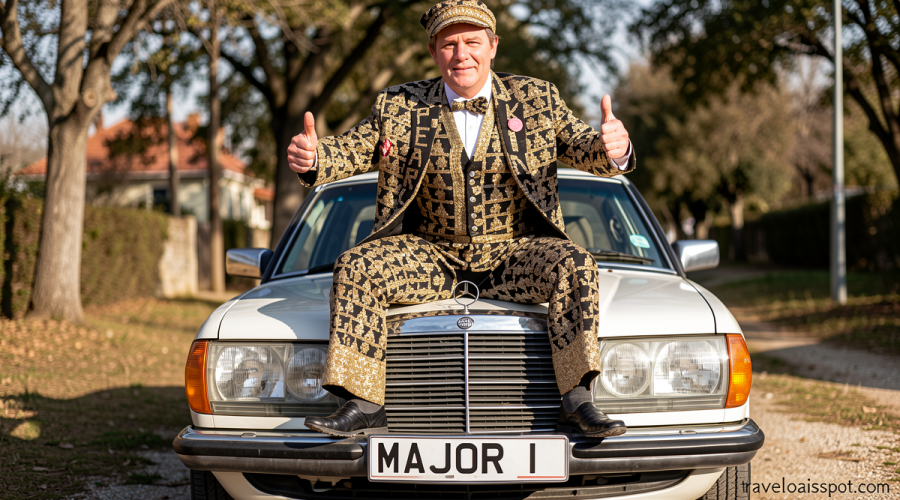
The Last Pearl of Peckham: George Major’s Legacy Lives On
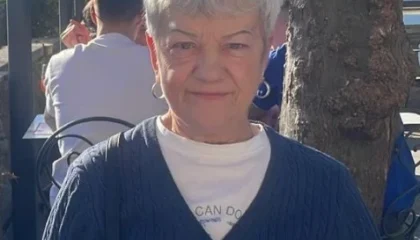
Traveloasisspot.com – When the final curtain fell on one of London’s most colourful working-class traditions, the city lost not merely a man but a living archive of Cockney identity. George Major, the Pearly King of Peckham whose flamboyant persona helped shape one of British television’s most enduring comic characters, passed away on August 1 at the age of 88. He was surrounded by three generations of his family at the time of his death.
Major’s influence stretched far beyond the markets and streets of south London. For more than six and a half decades, he served as a custodian of working-class Cockney heritage, wearing a suit encrusted with 22,000 pearl buttons and dedicating himself to charitable causes. His public persona was so vivid and memorable that it seeped into popular culture in ways he likely never anticipated.
A Real-Life Blueprint for Del Boy
The connection between Major and the fictional Del Boy of Only Fools and Horses is well documented. Before writer John Sullivan developed the hit 1980s sitcom, he reportedly shadowed Major through London’s markets, absorbing the rhythms, language, and entrepreneurial schemes of the Pearly King. That observation bore fruit in one of the show’s most iconic episodes: Del Boy’s attempt to sell tap water to gullible buyers as “Peckham Spring” was directly modelled on a real scheme Major had run, in which he sold milk bottles filled with what he called “Cockney smog” to American tourists.
David Jason, who brought Del Boy to life on screen, thus inherited a character whose skeleton was built from Major’s actual personality. The comedy’s enduring popularity meant that millions of viewers encountered a sanitised, fictionalised version of a man who had spent his life in the markets and streets of Peckham, giving the tradition a cultural reach it could never have achieved on its own.
From Victorian Charity to Modern Museum
The institution of the Pearly Kings and Queens traces its origins to the Victorian era, when East End market traders began organising charitable collections and dressing in elaborate, jewel-studded outfits for public appearances. Over the following century, the tradition became synonymous with Cockney working-class identity, though its numbers dwindled steadily as urban regeneration and demographic shifts reshaped London’s east and south.
Major, crowned at just 20 years old in 1958, watched the tradition shrink around him and decided to intervene. He poured his life savings into establishing what is described as the world’s only Cockney Museum, located in Stoneleigh, Surrey. The choice of location reflected a broader pattern: over successive decades, many original East End families had been relocated to the commuter belt, and Stoneleigh became a point of cultural continuity for displaced communities. The museum preserved artefacts, photographs, and oral histories that might otherwise have vanished entirely.
A Daughter’s Tribute
His daughter Janet spoke publicly after his death, describing the loss felt by everyone who had crossed his path.
“He is, and will be sorely missed by all who loved and knew him. He made such a big impression on anyone he came across.”
Janet also explained the family’s wish to give Major a send-off befitting his status within the tradition.
“We want to be able to give him a true Pearly King ceremony as he deserves. As you can imagine this will be quite costly.”
A public fundraiser has been launched to cover the costs of that ceremony. Janet added that any surplus would be directed to causes the family had supported throughout Major’s life.
“Any money leftover will be given to charities such as The Childhood Trust, and London borough food banks, which we as Pearlies, have always raised money for.”
She closed her statement with a phrase drawn from the tradition’s own vocabulary:
“Up the apples and pears to the pearly gates where he now rests in peace.”
Why the Loss Matters
Major’s death marks the thinning of a tradition that once numbered dozens of active Kings and Queens across London’s markets. Each passing figure removes not only a performer but a repository of dialect, custom, and community memory that no archive can fully replicate. The Cockney Museum in Stoneleigh now carries a heavier burden: it is the last institutional home for a heritage that, without living practitioners, risks becoming a museum exhibit in the most literal sense.
The cultural footprint Major left through television ensures that younger generations will continue to encounter the language and mannerisms of Cockney working-class life, even if they never set foot in a Peckham market. Yet the gap between a sitcom character and the real person behind him is vast. Major’s sixty-five-year commitment to charity, to community, and to the preservation of a vanishing identity was something no script could have written.
Those wishing to contribute to the send-off ceremony or to the charitable causes Janet named are invited to participate once a date has been set. The tradition he embodied for over six decades now rests in the hands of those who remember him.
Related Reading
Frequently Asked Questions
What is Pearly King of Peckham who inspired?
Pearly King of Peckham who inspired is the main topic of this guide. The article explains the context, practical details, and next steps readers should understand.
Why does Pearly King of Peckham who inspired matter?
Pearly King of Peckham who inspired matters because readers are looking for a useful answer, not just a short summary. Good content should match search intent and help them decide what to do next.