
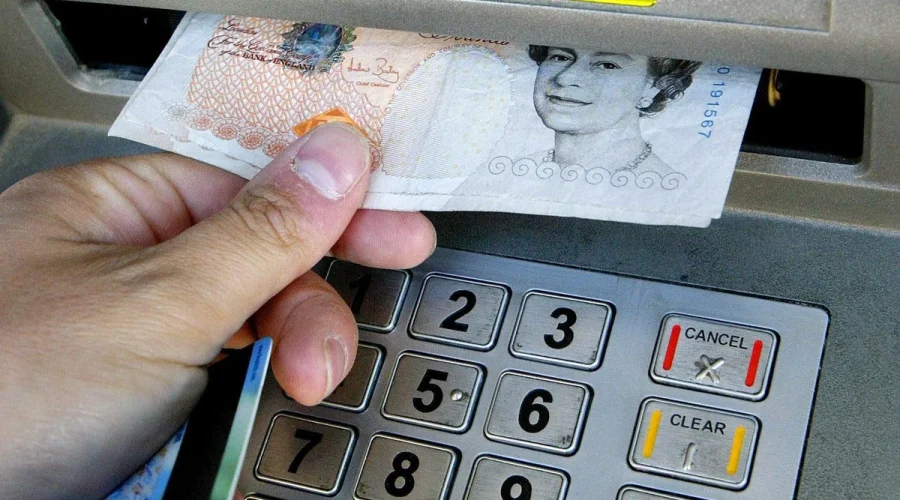
Cash Expected to Make Up Just 4% by 2035
Traveloasisspot.com – The United Kingdom’s transactional ecosystem is undergoing a structural break. Cash expected to make up just 4% of all UK payments by 2035, according to UK Finance’s Payment Markets Report 2025, which charts the accelerating migration of everyday commerce from physical currency to digital rails. With 91% of adults now accessing banking through at least one remote channel, the note and coin are retreating to a narrow, residual role in daily life.
Remote Banking and the Shrinking Cash Share
Nine in ten UK adults used online, mobile, or telephone banking in 2025, up from 88% the prior year. Mobile phones dominate that access: 75% of adults treat their handset as their primary banking interface. Transaction volumes are projected to keep climbing through 2035 while the digital share of each category expands.
Physical currency processed 3.9 billion transactions in 2025, down from 4.3 billion in 2024. Its slice of total payments fell to 8%, compared with 9% a year earlier and 45% back in 2015. The report’s central forecast is that cash expected to make up just 4% of UK transactions by 2035 — roughly two billion payments annually. An estimated 1.4 million adults still depend primarily on notes and coins, and another 19 million touch cash no more than once a month. Forty-nine-point-three million people used an ATM at least once during 2025, confirming that the physical cash-access network remains essential for that residual cohort.
“Looking ahead to 2035, the UK payments market is expected to continue growing while becoming more digital.”
Mobile Wallets, Faster Payments, and Contactless Cards
Mobile payment registration reached 65% of UK adults in 2025, a sharp jump from 57% in 2024. Contactless mobile taps are steadily displacing the physical card’s tap-and-go function. Adoption remains uneven by age: roughly 89% of 25- to 34-year-olds hold a mobile wallet, versus just 29% of those over 65.
Account-to-account transfers through Faster Payments and other remote-banking rails handled 6.2 billion transactions in 2025, making them the second-most-used method. Volumes are projected to reach 8.4 billion by 2035, or 16% of all UK transactions, as consumers route bill payments, person-to-person transfers, and casual bill-splitting through these channels.
Debit cards retained the top spot, processing 26.6 billion transactions in 2025 — more than half of all UK payments. Contactless methods within that ecosystem rose to 19.2 billion transactions, representing 39% of all UK payments in 2025, up from a mere 3% a decade earlier. The report anticipates that share reaching 41% by 2035, propelled by terminal rollouts, shifting habits, and the growing footprint of wallets such as Apple Pay and Google Pay.
Buy Now, Pay Later Under FCA Supervision
An estimated 12.9 million UK adults — 22% of the adult population — used a buy-now-pay-later service at least once during 2025. In July 2026 the sector came under direct Financial Conduct Authority supervision, strengthening consumer protections against over-indebtedness and opaque fee structures.
Frequently Asked Questions
Will cash disappear entirely in the UK by 2035? No. The forecast places cash at roughly 4% of transactions — about two billion payments a year. A residual population of around 1.4 million adults still relies primarily on physical currency, and the ATM network continues to serve tens of millions of users.
What percentage of UK adults use mobile banking? Seventy-five percent of adults named their phone as their primary banking interface in 2025, while 91% used at least one remote-banking channel.
How fast is mobile-wallet adoption growing? Registration jumped from 57% in 2024 to 65% in 2025. Younger adults (25–34) are near saturation at 89%, but uptake among over-65s remains at 29%, signalling a persistent generational gap.
What happened to buy-now-pay-later regulation? The sector was brought under direct FCA supervision in July 2026, giving consumers stronger safeguards against over-indebtedness and unclear fee structures.