Dundee University Principals Paid Nearly £300,000 After Stepping Down
Financial Compensation Revealed
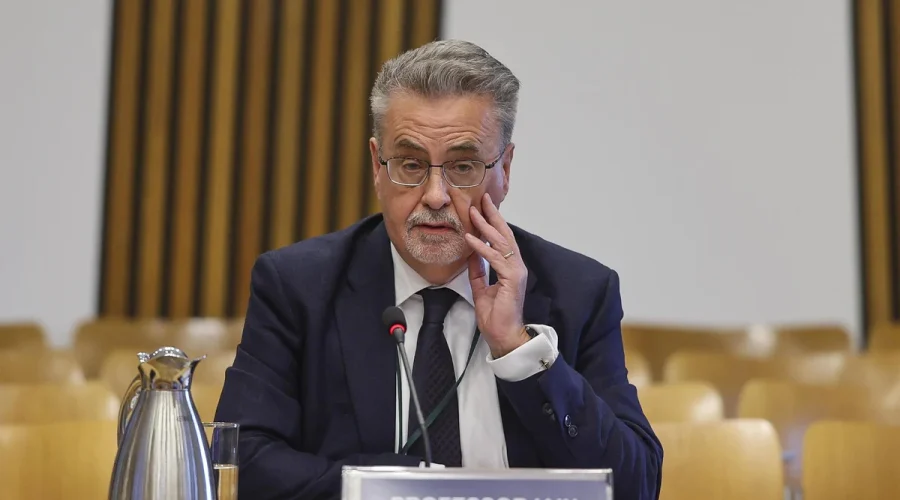
Dundee University principals paid nearly 300 000 – The University of Dundee’s delayed financial statements for the 2023-24 academic year have unveiled that two former leaders received substantial payments following their departures. Despite the institution grappling with a severe financial and governance crisis, the ex-principal and vice-chancellor, Professor Iain Gillespie, was awarded over £152,000 after leaving in December 2024. This sum encompassed his contractual six-month notice period and assistance with legal expenses tied to his exit. His successor, Professor Shane O’Neill, who served as interim principal for approximately seven months, received more than £141,000, covering salary, pension contributions, a notice payment, and compensation for unused annual leave.
Leadership and Governance Concerns
The revelation has sparked controversy, with the Liberal Democrats accusing the former leaders of prioritizing personal gain over institutional stability. A spokesperson stated, “They clearly feel no shame about their role in the turmoil, as they would have returned these payments immediately if they had any remorse.” The report highlights a systemic breakdown in the university’s operations, warning that a “material uncertainty exists in relation to the university’s ability to continue as a going concern.” This statement underscores the gravity of the situation, as the institution faces significant financial risks.
University’s Financial State
According to the financial statements, Dundee University is projected to face an operating deficit of around £30 million for the 2024/25 academic year. This shortfall raises alarms about the sustainability of the institution, with officials acknowledging “serious failings in financial monitoring, management, and governance.” The report criticizes the university’s response to financial pressures, noting that it “fell well short of the standards required” by higher education governance rules. Chairwoman Esther Roberton and interim principal Nigel Seaton have described the current crisis as “the greatest the university has ever seen,” emphasizing the need for accountability in leadership decisions.
Job Cuts and Continued Strain
The university has already implemented 645 job cuts in recent years, and it recently announced plans to propose another 190 reductions through a formal consultation. Even with these measures, the accounts indicate that further savings of £20 million to £25 million are still necessary, primarily from staff costs. This ongoing financial pressure has led to widespread concern, with critics arguing that the funding model for Scottish universities is flawed. The institution has relied on £40 million in support from the Scottish Government to stabilize its operations, yet the situation remains precarious.
Political and Institutional Responses
Liberal Democrat MSP Willie Rennie has condemned the payments, stating that “hundreds of university staff face job losses while the principals were paid despite failing to meet their responsibilities.” He emphasized that the delayed accounts reveal a deeply troubled institution, partly due to leadership shortcomings. “It’s also a reflection of the broken government funding model,” he added, calling for a reevaluation of how public funds are allocated to higher education institutions.
Education Secretary Mairi McAllan acknowledged the financial mismanagement at Dundee University, noting that “it is well documented” the institution’s crisis was caused by poor decision-making. She assured that the Scottish Funding Council will continue to support the university’s recovery, stressing the importance of staff and student engagement in the process. “While pay decisions rest with individual universities, I expect them to align principal salaries with those of other staff,” she said. Additionally, McAllan highlighted a new collaborative initiative with Universities Scotland to create a Future Framework aimed at enhancing financial governance and sustainability across the sector.
Broader Implications for Higher Education
The situation at Dundee University has sparked broader debates about the management of public funds in Scottish higher education. With the Tertiary Education and Training Act recently passed by the Scottish Parliament, there is hope for improved transparency and accountability. However, the Liberal Democrats argue that more needs to be done to address the systemic issues that have led to this crisis. The act is expected to provide a foundation for reforms, ensuring that universities like Dundee can navigate financial challenges without compromising their missions.
Public and Political Backing
Despite the challenges, the university has received public support, including the £40 million grant from the Scottish Government. This injection of funds has helped mitigate immediate risks, but it remains uncertain whether it will be enough to secure the institution’s long-term viability. The Liberal Democrats have called for stronger scrutiny mechanisms to hold university leaders accountable, especially in light of their recent payments. “This chaos demonstrates the need for robust oversight,” the party stated, adding that the public should demand transparency from institutions that manage large budgets.
The ongoing financial strain has also prompted questions about the future of the university’s academic programs and research initiatives. With a potential deficit looming, the administration must balance the need for cost-cutting with maintaining educational quality. This challenge is compounded by the fact that the university’s leadership has been at the center of the crisis, with both former principals facing scrutiny for their handling of the institution’s finances. Their compensation, while justified by contractual obligations, has intensified calls for reform in how public funds are distributed and managed.
Call for Institutional Reforms
Willie Rennie’s comments have resonated with critics who argue that the current system allows leaders to retain high salaries even during financial distress. “The delayed accounts expose a deeply flawed approach to leadership and accountability,” he said, urging the government to implement stricter guidelines for principal pay. This sentiment aligns with broader concerns about the sustainability of Scottish universities, which have faced budget constraints and declining public funding over the past decade. The Future Framework initiative aims to address these issues by fostering collaboration between the government and higher education institutions.
In conclusion, the financial decisions made by Dundee University’s former leaders have become a focal point of debate, highlighting the tension between personal compensation and institutional responsibility. As the university continues to navigate its crisis, the need for improved governance and transparency has never been more critical. The £300,000 in payments serves as a reminder of the challenges facing Scottish higher education, prompting calls for a new approach to ensure the long-term stability of such institutions.
“The delayed accounts reveal an institution in deep trouble, partly caused by the failure of leadership. It’s essential that strong accountability and scrutiny processes are in place for these large institutions handling public funds.” — Willie Rennie, Liberal Democrat MSP
“The Scottish Funding Council will continue to support the university as it recovers, and I am clear this must be done through full and proper engagement with staff and students.” — Mairi McAllan, Education Secretary
As the university moves forward, its ability to rebuild trust with the public and stakeholders will depend on transparent financial practices and decisive leadership. The £300,000 in payments, while part of the normal process, has intensified scrutiny, with the Liberal Democrats and others advocating for systemic changes to prevent similar crises in the future.