Marra Signals Willingness to Form Coalition Arrangements Ahead of 2027 Scottish Local Polls
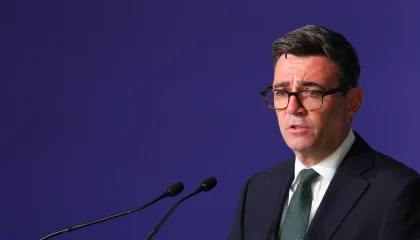
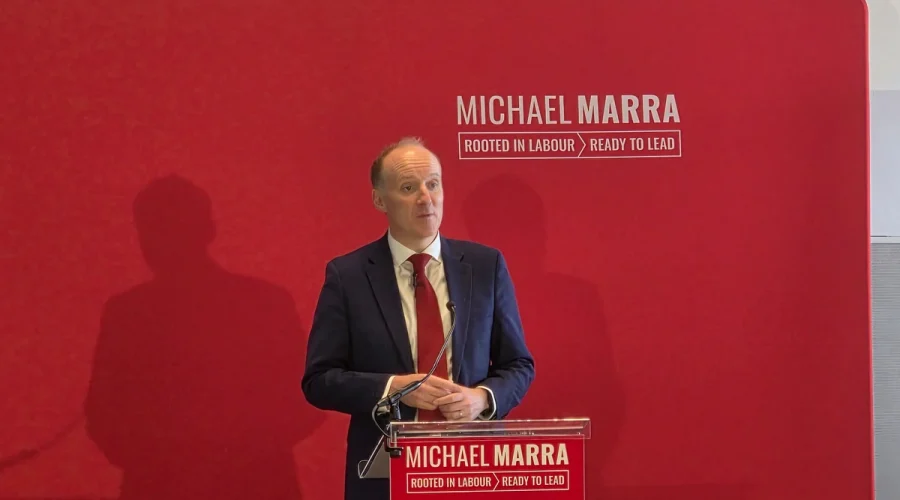
Traveloasisspot.com – Michael Marra, the North East of Scotland member of the Scottish Parliament and frontrunner in the Scottish Labour leadership race, has indicated that his party would entertain post-election agreements with rival parties when local government elections take place in May 2027. Speaking in Glasgow on Monday, the MSP made clear that his primary objective would be to prevent Reform Scotland from gaining a foothold in local councils across the country.
The leadership contest pits Marra against Joe Fagan, a fellow MSP and former leader of South Lanarkshire Council. Both men are vying to succeed Anas Sarwar, who departed the Scottish Parliament after being elevated to the House of Lords and appointed to a UK government ministerial role. Whoever wins the internal ballot will steer the party through a critical period, including the local elections and the broader political landscape that has shifted dramatically since the May 2023 Scottish Parliament vote.
Locking Out Reform: The Central Campaign Promise
Marra framed his electoral strategy around a single overriding concern: keeping Reform Scotland out of positions of local authority. He told the Press Association that Scottish Labour would seek to collaborate with other parties at the council level specifically to achieve that outcome.
“Make sure that we lock out Reform from the halls of power in Scotland. Because all they bring is division, distrust and a brand, I think, of right wing populism that is actually a challenge to the soul of our country.”
He added that the party’s opposition to Reform was not a new position but a continuation of a longstanding political stance.
“That’s not something the Scottish Labour Party will accept. It’s what we’ve always fought against, and we’re going to be on the front lines fighting against them this time round, too.”
A Fractured Political Landscape
The context for Marra’s pragmatic turn toward multi-party cooperation is the seismic realignment that occurred at the May 2023 Scottish Parliament election. Reform Scotland, a relatively new entrant to Scottish politics, captured 17 seats, while Scottish Labour shed four seats and returned with its own tally of 17 MSPs. The result left both parties in joint opposition to the Scottish National Party, a configuration that has fundamentally altered the arithmetic of Scottish governance.
Marra acknowledged openly that the old binary contest between Labour and the SNP no longer describes Scottish politics. He described the current environment as one of a “very fractured polity,” with numerous parties competing for influence and representation.
“The days of two-party politics are long in the past in Scotland so we have to make sure that we are able to speak to parties.”
Yet he drew a firm line beneath that pragmatism. While open to working with other formations, Marra explicitly excluded Reform Scotland from any future coalition or confidence-and-supply arrangement.
“I’ve been clear on that, I don’t want to see deals with Reform. I don’t think that’s acceptable. I think that what they bring to the table is anathema to the values of the Labour Party.”
Courting Defected Voters
A significant portion of Reform Scotland’s electoral base consists of voters who previously supported Labour, the SNP, or the Greens before switching allegiance to the new party. Marra said Scottish Labour would need to make a persuasive case to those individuals that meaningful change in Scotland does not require aligning with Reform’s leadership and its association with UK-wide figure Nigel Farage.
“We do know that there’s lots of people who have voted Reform who previously voted for lots of different parties, and we need to make the case to them that, actually, change can happen in Scotland without finding enemies and without the corruption of Reform and Nigel Farage and all that he brings.”
He concluded by stating plainly that he did not regard Reform as a credible partner in any project aimed at improving living standards for Scottish citizens.
“We have to make that case to them but I don’t believe that Reform are legitimate partners in a project of trying to improve the lives of the people of Scotland.”
What the Leadership Contest Means for Local Government
The Scottish local elections scheduled for May 2027 will determine control of all 32 council areas, including Glasgow, Edinburgh, Aberdeen, and Dundee. In the current parliamentary configuration, where no single party commands an outright majority, the ability to form working relationships with smaller parties at council level could prove decisive for whichever formation seeks to implement its local policy agenda. Marra’s stated openness to such arrangements, bounded by his explicit exclusion of Reform, positions him as the candidate most willing to adapt to the post-2023 political reality while maintaining ideological distance from the right-wing populist movement that has gained traction in recent elections.
Reform Scotland was contacted for comment ahead of publication. The leadership ballot itself remains ongoing, with the final result expected to determine which candidate will address the party’s conference and set the tone for the run-up to the 2027 polls.
Related Reading
Frequently Asked Questions
What is Scottish Labour leader candidate Marra open?
Scottish Labour leader candidate Marra open is the main topic of this guide. The article explains the context, practical details, and next steps readers should understand.
Why does Scottish Labour leader candidate Marra open matter?
Scottish Labour leader candidate Marra open matters because readers are looking for a useful answer, not just a short summary. Good content should match search intent and help them decide what to do next.