A Survivor’s Plea: How Britain’s New Terrorism Memorial Day Aims to Change Public Behaviour
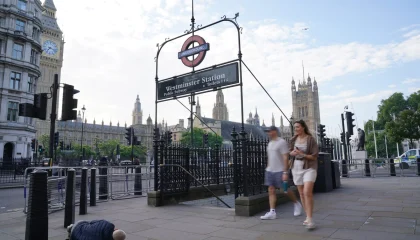
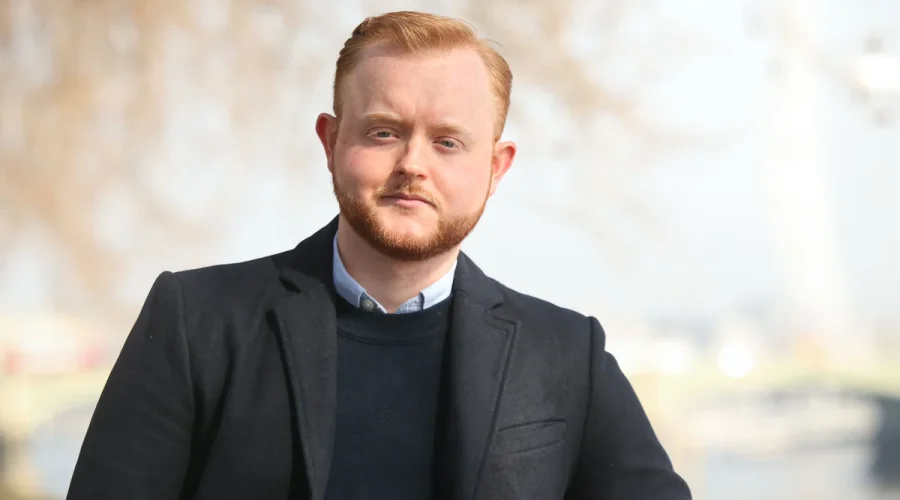
Traveloasisspot.com – Travis Frain was nineteen years old, away from home on a university trip to London, when a car driven by Khalid Masood struck him on Westminster Bridge in 2017. Four pedestrians were killed that day and a police officer was stabbed to death outside Parliament. Frain, now 28 and based in Darwen, Lancashire, has spent nearly a decade turning that trauma into advocacy work. On Friday, his years of campaigning culminate in something unprecedented: the United Kingdom’s first-ever National Day for Victims and Survivors of Terrorism.
The inaugural observance aligns with the United Nations International Day of Remembrance and Tribute to the Victims of Terrorism. The date was confirmed following a public consultation process completed the previous year, and organisers have stipulated that future editions will rotate to different locations across the country, reflecting how terrorism’s reach extends far beyond any single city or region.
A Day Built on Four Pillars
Organisers describe the day’s purpose through four interlocking aims: acknowledging those directly affected by terror acts, prompting survivors to seek out specialist psychological and practical support, amplifying their personal narratives, and educating the wider public about the realities of living with terror-related trauma. The emphasis is not solely on mourning. It is equally about what happens after the sirens stop.
In central London later on Friday, a formal ceremony is expected to draw hundreds of participants — victims, survivors, bereaved families, emergency responders, and Government representatives — who will observe a two-minute silence together.
Political Voices
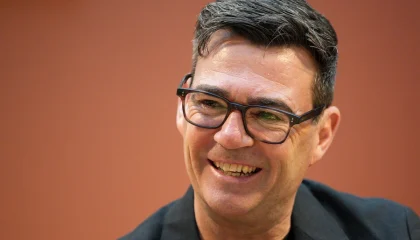
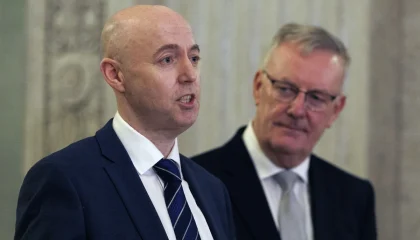
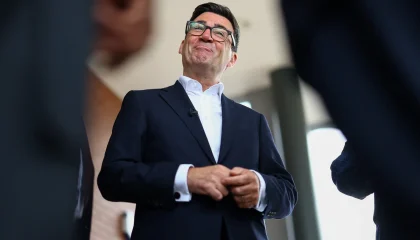
Andy Burnham framed the occasion as a “moment to remember the loved ones lost and anyone who has survived the very worst of humanity.” Security minister Dan Jarvis offered a complementary message: “we will never allow terrorism to divide us.” Both statements underscore the Government’s attempt to position the day as both commemorative and forward-looking.
From Victim to Voice
Frain’s own trajectory illustrates the kind of transformation the day seeks to normalise. After the Westminster Bridge attack, he abandoned his earlier plan to become a history teacher and instead founded Resilience in Unity, an organisation designed to give victims a platform while simultaneously educating the public. His work earned him a place on the 2023 New Year Honours list, cited for services to counter-extremism and to victims of terrorism.
“It absolutely has had a lifelong impact on me in the sense that I realised pretty soon after the attack that I couldn’t just put my head down and pretend that it hadn’t affected me, and I had to learn from what had happened and try and find some kind of positive, and some kind of meaning, if that’s even possible, from such a horrific incident.”
Speaking to the Press Association, Frain stressed that the national day must serve a dual function. On one hand, it ensures the public does not forget those lost or those who carried scars — physical and psychological — through the aftermath. On the other, it should sharpen collective awareness of how radicalisation unfolds in ordinary communities.
“I think that it’s important that we ensure that, going forward, the public are more aware of what it is that actually they can do to prevent these attacks from occurring in the first place, and whether that might be listening to the voice of victims, ensuring that they know how to support someone who’s been affected by any form of trauma, but certainly by terrorism and violence.”
He extended that argument further, urging neighbours, employers, and community groups to recognise early warning signs of someone being drawn toward violent extremism and to know how to intervene or seek help.
“Counter-terrorism shouldn’t just be about the sort of guns blazing stuff that we see on the TV. Of course, unfortunately, there’s a role for that when someone progresses too far down that radicalisation journey. But, ultimately, I really do think prevention starts at home. And if we were looking out for one another, if we were a bit more proactive in the way in which we address these issues, then perhaps we can prevent these attacks before arrests need to be made.”
How the Public Can Participate
Government guidance encourages individuals and communities to mark the day in whatever manner feels appropriate. Suggested actions include lighting candles in remembrance, visiting local memorials, or making donations to charities that support victims, survivors, and bereaved families. There is no single prescribed ritual; the design deliberately leaves space for personal and local expression.
The Westminster Bridge attack of 2017 remains one of the most visible examples of how a single act of violence can fracture an entire community’s sense of safety. By institutionalising an annual day of remembrance and education, the UK is attempting to convert that fracture into a structured opportunity for solidarity, awareness, and — in Frain’s framing — prevention. Whether the day achieves its stated goals will depend less on the ceremony itself and more on whether the public takes the educational dimension seriously in the weeks and months that follow.
Related Reading
Frequently Asked Questions
What is UK terror victims day can also?
UK terror victims day can also is the main topic of this guide. The article explains the context, practical details, and next steps readers should understand.
Why does UK terror victims day can also matter?
UK terror victims day can also matters because readers are looking for a useful answer, not just a short summary. Good content should match search intent and help them decide what to do next.