Washington and Tehran Resume Diplomatic Engagement Following Military Escalation
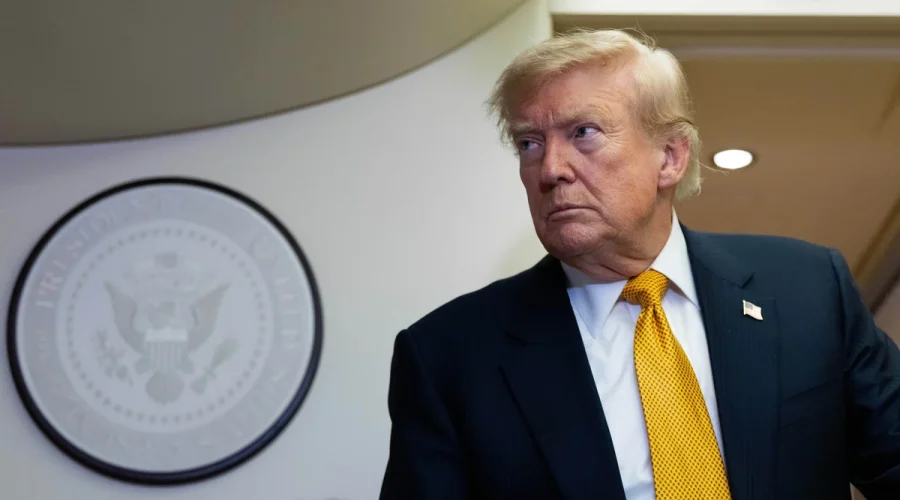
Trump agrees to talks with Iran – The United States and Iran have reached a mutual understanding to maintain diplomatic channels open, even as both nations navigate a period of heightened military tension. President Donald Trump communicated this development through his Truth Social platform, making it clear that while negotiations would proceed, the previous truce had definitively ended. This announcement came after a week of volatile exchanges, during which the American president had been notably critical of the Iranian government, referring to its leadership as “scum” and dismissing the possibility of productive engagement as “a waste of time.”
The diplomatic pivot follows intense confrontations centered on the Strait of Hormuz, a vital maritime corridor that has become a focal point of regional instability. These clashes have placed considerable strain on the already fragile ceasefire arrangement between the two powers. Complicating matters further, no party has officially taken credit for recent aerial bombardments that struck Iranian territory after Washington announced the conclusion of its military operations in the region.
Official Statements and Immediate Aftermath
Addressing the situation directly, President Trump provided clarity on the American position regarding future engagement. His statement emphasized both openness to dialogue and firmness on the status of hostilities:
“The Islamic Republic of Iran has asked us to continue ‘talks’. We have agreed to do so, but the United States has stated to them, in no uncertain terms, that the Cease Fire is OVER!”
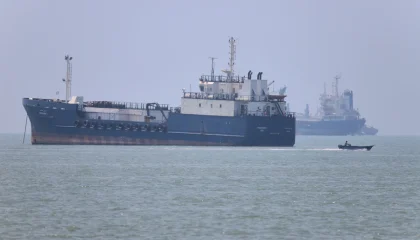
The resumption of active conflict began on Tuesday when Iranian forces launched attacks against three commercial tankers navigating the strategic waterway. This action reignited concerns about the stability of the broader peace process, which was initiated jointly by the United States and Israel on February 28. The ongoing exchange of military strikes has created significant disruptions to maritime commerce along this critical sea route, while simultaneously raising questions about whether a lasting resolution to the conflict remains achievable.
Economic Pressure and Diplomatic Timeline
Beyond military actions, Washington has been employing economic measures to increase pressure on Tehran. President Trump has indicated the possibility of reinstating a comprehensive blockade on Iranian ports, building upon existing restrictions that have already removed Tehran’s authorization to export oil to international markets. In a related development on Friday, the United States Treasury Department announced additional sanctions targeting Ali Ansari, a prominent Dubai-based banker and businessman who serves as a crucial financial backer to the Iranian regime. Ansari had previously been sanctioned by British authorities for his involvement in providing financial support to Iran’s Islamic Revolutionary Guard Corps.
Before the most recent escalation, diplomatic efforts were poised to restart following the funeral ceremonies for Ayatollah Ali Khamenei, Iran’s supreme leader who died on the opening day of the current conflict. One of the primary objectives in these negotiations had been securing Iranian cooperation in maintaining open access to the Strait of Hormuz, which had previously caused global disruptions to oil and gas supplies while driving up prices for fuel and food commodities worldwide.
Terms of the Current Agreement and Ongoing Challenges
The preliminary arrangement between Washington and Tehran establishes a sixty-day period during which vessels may navigate the waterway safely without toll charges. This temporary arrangement remains contingent upon the eventual resolution of disagreements surrounding Iran’s nuclear program. Additionally, the agreement delegates responsibility to Iran and Oman, working together with other Gulf nations, to determine how the strait will be administered and what maritime services will be provided in the future.
Despite these provisions, Iran continues attempting to strengthen its position regarding the channel. Tehran has demanded that all ships obtain permission before transiting through the waterway and has hinted at the possibility of implementing fees in subsequent phases. The American military has worked to challenge Iranian assertions that it maintains exclusive control over the sea route and that navigation is permitted only through officially designated corridors.
Even with these diplomatic efforts, commercial shipping through the strait has experienced a dramatic decline following the recent combat operations. Current traffic levels remain substantially lower than pre-conflict figures, reflecting both the immediate impact of hostilities and the longer-term uncertainty surrounding the region’s stability.