Eye Safety Experts Issue Urgent Warnings Before August Eclipse
Traveloasisspot.com – Medical professionals are cautioning the public against purchasing inexpensive imitation eyewear for observing Wednesday’s celestial event, as properly certified viewing glasses have nearly vanished from online retailers. The warning comes alongside strong recommendations from ophthalmologists who emphasize that even momentary direct exposure to the Sun during this phenomenon can result in permanent visual impairment.
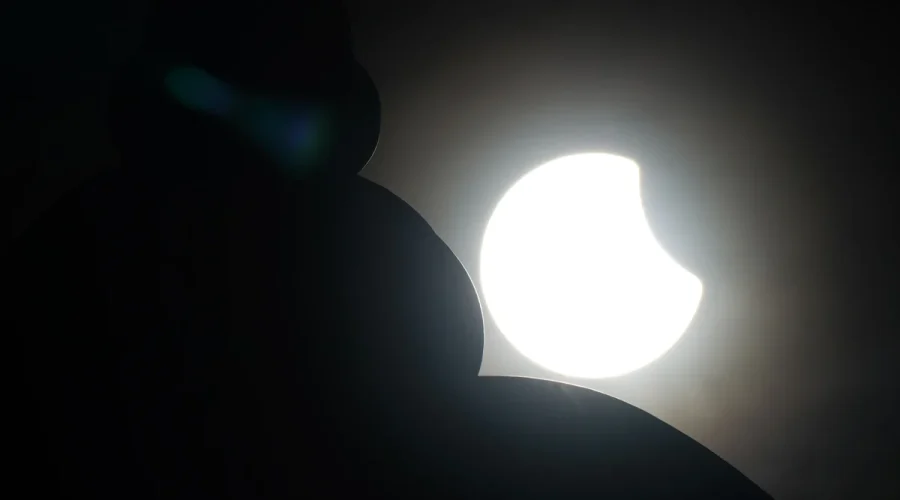
Between 6:17pm and 8:06pm on August 12, the Moon will conceal more than ninety percent of the Sun’s surface. This represents the greatest coverage observed above British skies since the complete solar eclipse of 1999, making it a particularly significant astronomical occurrence for local residents and visitors alike.
Understanding the Certification Requirements
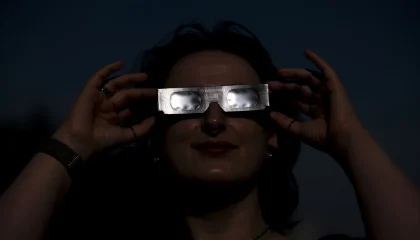
Astronomical specialists stress that only eyewear meeting the ISO 12312-2 international safety standard provides adequate protection for eclipse observation. These purpose-built glasses differ substantially from conventional sunglasses, blocking such intense levels of light that observers can see nothing except the Sun itself. This extreme light filtration is essential for preventing harmful solar radiation from reaching the retina.
Unfortunately, certified glasses have either sold out completely through online channels or now carry substantial shipping charges to ensure timely delivery before the event. Many consumers have turned to cheaper alternatives without realizing the potential risks involved.
The Hidden Danger of Painless Retinal Damage
One of the most concerning aspects of solar eclipse viewing is that the retina contains no pain receptors. This means individuals cannot feel damage occurring during observation, and symptoms may not manifest until several hours afterward. Potential indicators include blurred vision, a central blind or dark spot, distorted visual perception, diminished color recognition, and heightened sensitivity to light.
The safest way to enjoy the eclipse is to observe it indirectly, such as by watching a live broadcast. Looking directly at the Sun during a solar eclipse can cause damage to the retina, potentially damaging the cells responsible for sharp central vision. Crucially, the retina has no pain receptors, so people will not feel the damage as it happens.
These insights come from Mohamed Elalfy, a consultant ophthalmologist who serves as president of the Royal College of Ophthalmologists. He further noted that while certain individuals recover over weeks or months, others may experience permanent visual impairment that significantly affects daily life.
Historical Precedent from the 1999 Eclipse
Medical records following the 1999 total solar eclipse reveal approximately seventy cases of people experiencing vision complications after observing the event. Remarkably, around forty percent of these individuals had looked directly at the Sun for less than one minute, demonstrating that even brief exposure carries substantial risk.
The Royal Observatory Greenwich has joined other medical authorities in warning that regular sunglasses fail to provide sufficient protection for this cosmic phenomenon. Imo Bell, a planetarium astronomer at the observatory, explained that while this will not be a total eclipse, the ninety percent coverage remains exceptionally exciting for observers.
We’re not going to get one this good for a really long time. So, it’s important not to miss it, and to be prepared. You can’t just go out and expect to have a look, because it’s really dangerous for your eyes.
Common Myths and DIY Dangers
Kyla Black, director of optical practice at Boots Opticians, has urged parents to exercise particular caution when allowing children to view the eclipse. She highlighted several widespread misconceptions that could endanger viewers.
One prevalent myth suggests that wearing multiple pairs of sunglasses simultaneously provides adequate UV protection. This is entirely false, as only purpose-built eclipse glasses can properly filter the harmful wavelengths. Additionally, many enthusiasts create do-it-yourself filters using cereal boxes and pinhole projectors, which Black warns can also prove dangerous.
Objects such as smoked glass, colour film, floppy disks, X-ray film, and dark sunglasses are unable to block invisible infrared and ultraviolet rays, potentially leading to damage to your eyesight.
Black also emphasized that consumers purchasing specially manufactured eclipse glasses should verify they remain undamaged before use, as even minor imperfections could compromise eye safety.
Equipment-Specific Recommendations
Those planning to observe through cameras, binoculars, or telescopes must ensure approved solar filters are properly attached to their equipment. Experts recommend contacting the manufacturer if uncertain about compatibility, as improper filtration through optical instruments can concentrate harmful radiation and cause more severe damage than direct viewing.
For those without access to certified eyewear or specialized telescopes, attending local astronomy society events offers a safe alternative. Many organizations host public viewing sessions with properly filtered equipment, allowing enthusiasts to experience the celestial spectacle without risking their vision.
As the eclipse approaches, medical professionals continue to stress that the temporary inconvenience of purchasing certified glasses or attending organized events is far preferable to the potential consequences of improper viewing. The combination of extensive media coverage and social media sharing has increased public interest, but experts caution that enthusiasm should not override safety precautions when observing this remarkable astronomical event.
Related Reading
Frequently Asked Questions
What is Consumers warned against using knock off protective?
Consumers warned against using knock off protective is the main topic of this guide. The article explains the context, practical details, and next steps readers should understand.
Why does Consumers warned against using knock off protective matter?
Consumers warned against using knock off protective matters because readers are looking for a useful answer, not just a short summary. Good content should match search intent and help them decide what to do next.